
Pests and Diseases
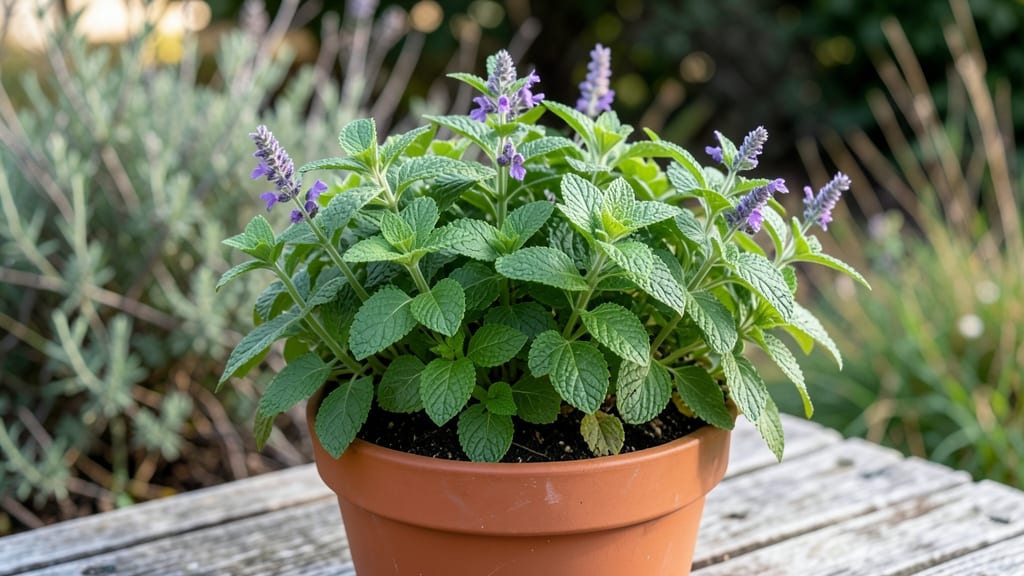
Peppermint isn't a leaf but a herbaceous perennial whose aromatic foliage grows from its distinctive square-stemmed, woody base. These leaves—the actual edible and fragrant parts—are what we harvest for teas, cooking, and remedies.
Peppermint's unique square stems set it apart from other mints, and those stems aren't just for show—they're the plant's structural backbone where all the leaves sprout. 🌿 The leaves themselves are what make peppermint so special, packed with menthol that gives it that signature cool, refreshing kick.
Many people confuse the whole plant as just "leaves," but understanding this difference helps when growing or using it properly.
When you're harvesting, always focus on the fresh leaves—they're at their peak flavor when fully mature but still tender. The stems, while sturdy, aren't typically used in culinary or medicinal applications, though they do play a crucial role in the plant's growth and photosynthesis process.
This distinction matters whether you're growing peppermint in your garden or selecting it at the store.
💡 In This Article
- Botanical Classification of Peppermint Leaves vs Stems
- Growing and Harvesting Peppermint Leaves for Optimal Use
Botanical classification of peppermint leaves vs stems
The peppermint plant (Mentha × piperita) belongs to the Lamiaceae family, where its anatomy reveals a fascinating division of labor between leaves and stems. The leaves—what most people associate with peppermint's signature flavor—are actually modified shoots that emerge from the plant's square-shaped stems.
These stems aren't just structural supports; their distinctive four-sided shape contains vascular bundles arranged in a ring pattern, which is why they feel so rigid compared to round stems.
The square stems serve as the plant's transport system, housing xylem and phloem tissues that move water, nutrients, and sugars between roots and leaves. Meanwhile, the leaves are the powerhouses of photosynthesis, containing 15-20% menthol by weight in their essential oils.
This menthol isn't just for flavor—it's a natural defense mechanism that repels insects while attracting pollinators. The leaves' serrated edges and opposite arrangement maximize surface area for light absorption, giving peppermint its lush, vibrant appearance.
What sets peppermint apart from other mints is its hybrid vigor—it's a cross between watermint and spearmint, which explains why its stems are more robust and woody than its relatives.
The leaves grow in pairs at each node along the stem, with each leaf containing 10-15 secondary veins radiating from the central midrib. This vascular network is why peppermint leaves can regenerate so quickly after harvesting, making them one of the most resilient culinary herbs.
Here's where the confusion often arises: while the leaves are the edible parts, the stems play a crucial role in propagation. When you see peppermint growing aggressively, it's because those square stems root at the nodes when they touch the soil—a process called stolon formation.
This is how peppermint spreads so rapidly, but it also means you can grow new plants simply by cutting stem sections and planting them.
The menthol content varies by leaf maturity—young leaves contain 2-3% menthol while mature leaves can reach 4-5%. This is why gardeners often harvest leaves in the morning after dew has evaporated but before the sun becomes too intense, preserving the highest concentration of volatile oils.
The stems themselves contain minimal menthol, which is why they're not used in culinary applications.
For those growing peppermint, understanding this structure helps with pruning. Cutting back stems just above a leaf node encourages bushier growth with more leaf production, while leaving stems too long can lead to leggy plants with fewer harvestable leaves.
The stems' rigidity also makes them ideal for creating living hedges or borders in gardens.