
Planting
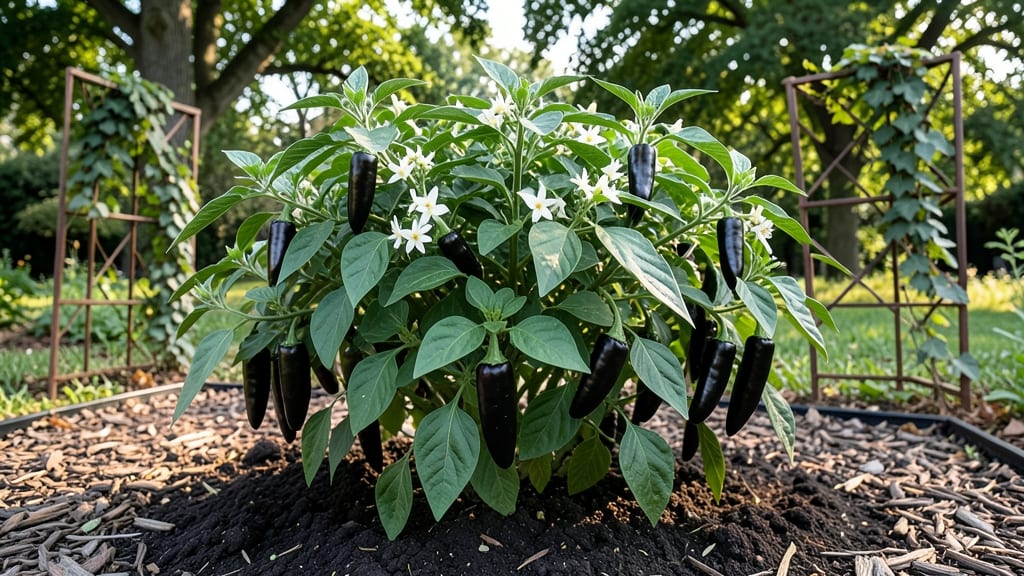
Ornamental black pepper plants (Piper nigrum varieties) add vibrant foliage and unique fruit to gardens while thriving in warm climates with partial shade, well-draining soil, and consistent moisture. Prune regularly to encourage bushier growth and harvest leaves for culinary or decorative use—though their peppercorns are milder and smaller than commercial types.
These decorative vines aren't just pretty—they're surprisingly low-maintenance once you replicate their tropical origins. 🌿 The key is mimicking their natural habitat: think bright, indirect light (like under a canopy tree) and humidity levels above 50%.
I've found that container gardening works best for most varieties, as it gives you control over drainage and moisture. Plus, the colorful peppercorns add unexpected pops of red, pink, or purple that last through winter in warmer zones.
What makes these plants special is their dual-purpose nature. While they won't produce the same heat as culinary peppercorns, their leaves make excellent garnishes with a subtle peppery kick.
The real showstopper? Varieties like 'Black Pearl' develop deep purple-black fruits that look stunning in dried arrangements. Just remember—these plants reward patience with both beauty and edible surprises!
💡 In This Article
- Key Growing Conditions for Ornamental Black Pepper Plants
- Best Ornamental Pepper Varieties for Gardens and Containers
Key growing conditions for ornamental black pepper plants
Ornamental black pepper plants thrive by mimicking their native tropical rainforest environment. The ideal temperature range is 65-80°F—anything below 60°F can stunt growth, while consistent exposure above 85°F may cause leaf drop.
These plants also demand high humidity levels, ideally 60-70%, which explains why they often struggle in dry climates unless you use humidity trays or misting systems. The key is replicating that dappled light they'd receive under a rainforest canopy—bright but indirect light prevents leaf scorch while maintaining vibrant foliage.
Soil composition is equally critical. Ornamental pepper plants prefer well-draining, slightly acidic soil with a pH between 5.0-6.5. A mix of 60% peat moss or coconut coir, 20% perlite, and 20% compost creates the perfect balance of moisture retention and aeration.
Container growers should use pots with drainage holes to prevent root rot—a common issue when these plants sit in soggy soil. Interestingly, their roots are sensitive to waterlogging, which is why professional growers often amend soil with 10-20% sand to improve drainage while retaining moisture.
Light exposure creates dramatic differences in plant health. While these plants tolerate 3-4 hours of morning sun, direct afternoon sun can bleach leaves and reduce fruit production. I've noticed that plants grown under 50% shade cloth develop richer colors and more abundant fruit clusters.
For container gardening, east-facing windows or 10-15 feet from south-facing windows provide ideal light conditions. The trade-off? Indoor plants may grow more slowly but develop denser foliage—perfect for smaller spaces where you want both decoration and subtle culinary potential.
Watering needs are surprisingly precise. These tropical plants require consistently moist but never soggy soil, which translates to watering when the top 1-2 inches of soil feel dry. Overwatering causes root rot, while underwatering leads to crispy leaf edges—a common mistake among new growers.
A helpful tip: Use your finger to check moisture levels rather than relying on a schedule, as humidity levels and temperature fluctuations affect evaporation rates. During winter months, reduce watering by 30-40% since growth naturally slows in cooler conditions.
Container vs. ground planting presents distinct challenges. In-ground plantings benefit from natural soil temperature regulation and larger root zones, but they require more frequent monitoring for pests like spider mites that thrive in dry conditions. Containers, however, offer better control over drainage and can be moved to optimize light exposure.
For container growing, choose pots at least 12 inches in diameter—smaller containers restrict root growth and lead to stunted plants. I've found that terracotta pots help regulate moisture levels better than plastic, though they require more frequent watering due to faster evaporation.
One often overlooked factor is air circulation. While these plants need humidity, they also require gentle airflow to prevent fungal diseases like powdery mildew. A small oscillating fan on low setting near your plants creates this ideal environment without causing stress.
The best part? This airflow also helps strengthen stems, resulting in bushier plants that produce more decorative fruit clusters. Just avoid strong drafts—these plants prefer calm, humid conditions that mimic their rainforest origins.