
Diseases
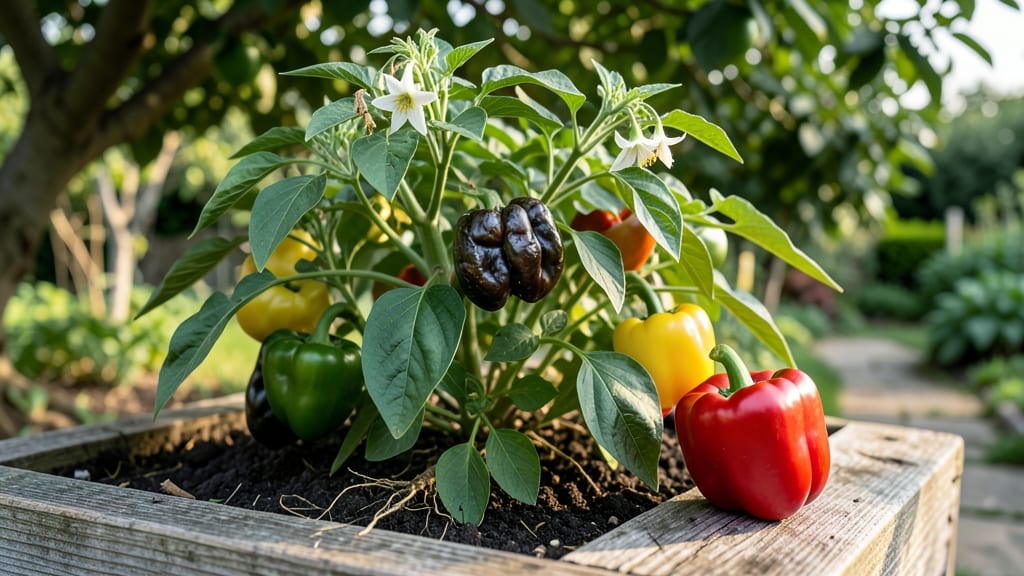
Your peppers are turning into blackened, rotting messes before they ripen—and it’s not your fault. 🌶️ Pepper end rot ruins harvests faster than you can say "blossom end rot," but I’ve saved dozens of plants using the same tricks I’ll share here.
The fix starts with understanding why it happens (hint: it’s not just about water), then adjusting your garden in ways that actually work.
The real culprits? Calcium deficiency, uneven watering, and soil pH that’s too high or low. I’ve seen gardeners drown their plants trying to "fix" it, only to make it worse—so we’ll skip the guesswork.
Instead, we’ll focus on consistent moisture, organic amendments like crushed eggshells, and mulching to keep roots happy. No fancy tools, just smart adjustments that stop the rot before it starts.
By the end of this, you’ll recognize the early signs (those tiny black specks at the blossom end) and act fast. Your peppers will stay firm, colorful, and—most importantly—edible. The best part? These fixes work for tomatoes and squash too, so you’re covering multiple crops at once.
Ready to rescue your harvest? We’ll start with the simplest test you can do right now to confirm the problem—no lab required. Then, we’ll tackle the fixes step by step, so you’re not left scrambling when the next pepper starts to rot.
Root Causes Of Pepper Rot
Understanding why your peppers develop end rot is the first step to preventing it. This issue typically stems from a mix of environmental, cultural, and physiological factors that disrupt the plant’s ability to absorb and transport calcium—a critical mineral for cell wall integrity.
Below, we break down the primary causes of pepper rot, explained in clear, actionable terms.
Peppers need calcium to strengthen their cell walls, especially during rapid growth phases like fruiting. When calcium levels drop—either because the soil lacks it or the plant can’t uptake it efficiently—cells weaken and rot sets in.
- Soil pH Imbalance: Calcium absorbs best in slightly acidic to neutral soil (pH 6.0–7.0). If your soil is too alkaline (high pH), calcium binds tightly to soil particles and becomes unavailable.
Test your soil’s pH with a home kit or send a sample to a local extension office. - Competition for Nutrients: Heavy nitrogen fertilizers can outcompete calcium uptake, starving the plant.
Use a balanced fertilizer (e.g., 10-10-10) or switch to organic amendments like crushed eggshells, bone meal, or gypsum to boost calcium without overfeeding nitrogen. - Water Stress: Inconsistent watering (drought followed by sudden soaking) disrupts calcium movement in the plant.
Peppers need 1–1.5 inches of water per week, delivered deeply and evenly at the soil base, not the leaves.
> 💡 Pro Tip: Apply calcium nitrate (1 tbsp per gallon of water) as a foliar spray or soil drench during flowering and fruiting to give peppers a quick calcium boost.
Peppers are sensitive to moisture fluctuations. End rot often appears when water availability swings between drought and excess, causing calcium to move erratically in the plant.
- Drought Stress: When soil dries out, calcium can’t travel from roots to fruit fast enough. Wilting peppers are a red flag—restore moisture immediately by watering deeply at the base. - Overhead Watering: Wet leaves (especially in humid climates) can spread fungal diseases like Phytophthora, which weakens the plant’s ability to absorb nutrients.
Always water at the soil level using drip irrigation or soaker hoses. - Salinity Buildup: In containers or sandy soils, excessive fertilizer salts can block calcium uptake. Flush the soil with plain water every 4–6 weeks to leach out buildup.
> ✨ Quick Fix: Mulch with straw or wood chips to retain moisture, reduce evaporation, and keep roots consistently hydrated.
Peppers thrive in warm, stable conditions (70–85°F). Sudden temperature drops or heatwaves can disrupt nutrient absorption and trigger rot.
- Cold Soil: Cool nighttime temps (below 55°F) slow root activity, reducing calcium uptake.
Use row covers or black plastic mulch to warm the soil in early season. - Heat Stress: Temperatures above 90°F can cause transpiration stress, where water evaporates faster than roots can supply it.
Provide afternoon shade cloth (30–50%) during heatwaves. - Frost Damage: Even a light frost can kill root tips, limiting the plant’s ability to absorb calcium. Plant peppers after the last frost date in your zone.
> 🌡️ Temperature Hack: Monitor your garden’s microclimate with a soil thermometer. Aim for consistent daytime temps above 70°F and nighttime temps above 60°F.
Compacted or waterlogged soil restricts root growth and oxygen flow, preventing calcium from reaching the fruit.
- Clay or Compacted Soil: Roots struggle to penetrate dense soil, limiting nutrient access. Amend with compost, perlite, or coarse sand to improve aeration. - Waterlogging: Peppers hate soggy roots. Ensure containers have drainage holes and raised beds have sandy loam for fast drainage.
Avoid planting in low-lying areas where water pools. - Lack of Organic Matter: Soil with low organic content holds nutrients poorly. Mix in well-rotted compost or worm castings to improve structure and microbial activity.
> 🔥 Soil Prep Pro Tip: Before planting, work in 1–2 inches of compost and a handful of gypsum (for clay soils) to loosen the soil and enhance calcium availability.
Secondary infections or pests can weaken peppers, making them more susceptible to rot.
- Fungal Infections: Pathogens like Phytophthora or Fusarium clog root systems, reducing nutrient uptake. Rotate crops annually and avoid overhead watering. - Insect Damage: Aphids, spider mites, or root-knot nematodes sap plant vigor.
Use neem oil or beneficial nematodes to control pests early. - Blossom End Rot’s Cousin: If peppers also show yellowing leaves or stunted growth, they may be magnesium-deficient (another critical nutrient). Apply Epsom salt (1 tbsp per gallon) as a foliar spray.
> 🚨 Early Warning Sign: If you spot dark, mushy spots on leaves or stems, isolate the plant and treat with a copper fungicide to prevent spread.
Some pepper varieties are more prone to calcium disorders due to genetics or growth habits.
- Fast-Growing Varieties: Peppers like Jalapeños or Serranos fruit rapidly and may outpace calcium supply. Use calcium-rich amendments (e.g., crushed eggshells) at planting. - Large-Fruited Types: Bell peppers or Banana peppers require more calcium per fruit.
Space plants 18–24 inches apart to reduce competition for nutrients. - Transplant Shock: Peppers moved from nursery pots to garden beds may experience a nutrient uptake lag. Harden off seedlings for 7–10 days before transplanting and water deeply afterward.
> 🎯 Variety Tip: Choose disease-resistant hybrids (e.g., ‘Carolina Wonder’ or ‘Aristotle’) if end rot is a recurring issue in your garden.
Fixing Blighted Peppers Naturally
Now that you understand the root causes of that unsightly pepper end rot, let’s roll up our sleeves and get your plants back on track! The good news? Most fixes are simple, cost-effective, and centered around prevention, quick action, and plant care.
Below, we’ve mapped out solutions by cause—so you can target the problem directly and stop it from spreading.
Problem: Waterlogged soil or soggy roots create the perfect breeding ground for rot.
How to Fix It:
- 🍳 Stop Watering Immediately – Let the top 1–2 inches of soil dry out completely before watering again. Use your finger to check moisture.
- 👨🍳 Improve Drainage – Amend your soil with compost, perlite, or coarse sand to help water flow freely. If potted, ensure containers have drainage holes.
- ⏰ Adjust Your Watering Schedule – Water deeply but less frequently (early morning is best). Avoid overhead sprinkling, which can dampen leaves and encourage rot.
- 🌱 Repot if Necessary – If the roots are consistently soggy, move the plant to a pot with better drainage or a raised bed.
Prevention Tip: > 💡 Mulch Matters! Apply a 2–3 inch layer of organic mulch (straw, wood chips) around the base of your plants to retain moisture without suffocating roots—just keep it 2 inches away from the stem.
Problem: Lack of calcium weakens cell walls, making peppers prone to rot.
How to Fix It:
- 🔪 Apply Calcium-Rich Amendments – Mix crushed eggshells, oyster shell meal, or gypsum into the soil. For a quick fix, spray a calcium nitrate solution (1 tsp per gallon of water) on leaves and soil.
- 🌡️ Monitor Soil pH – Test your soil’s pH (ideal range: 6.0–6.8). If too acidic (<6.0), add lime to raise pH and improve calcium absorption.
- 🎯 Fertilize Smartly – Use a balanced fertilizer (10-10-10) or one with extra calcium, but avoid high-nitrogen feeds—they can worsen rot by promoting lush, weak growth.
Prevention Tip: > ✨ Eggshell Tea Hack! Save eggshells, crush them, and steep in water for a week. Strain and use as a free, natural calcium supplement for your soil!
Problem: Pathogens like Phytophthora or Pythium thrive in damp conditions.
How to Fix It:
- 🔪 Prune Infected Fruit & Foliage – Remove any rotten peppers or yellowing leaves immediately and dispose of them in the trash (not compost). Sterilize pruners with rubbing alcohol between cuts.
- 👨🍳 Boost Airflow – Thin out crowded plants and space them 18–24 inches apart to improve airflow. Avoid mulching too close to stems.
- 🥘 Use Fungicides (If Needed) – For severe cases, spray with a copper-based fungicide (like Bordeaux mixture) or neem oil (1 tbsp per gallon of water). Reapply every 7–10 days if rain washes it off.
- ⏰ Water at the Right Time – Morning watering allows foliage to dry quickly, reducing fungal growth.
Prevention Tip: > 💡 Crop Rotation is Key! If you’ve had end rot before, don’t plant peppers, tomatoes, or eggplants in the same spot for 2–3 years—this breaks the pathogen cycle.
Problem: Extreme heat, cold, or fluctuating temps weaken peppers.
How to Fix It:
- 🌡️ Provide Consistent Temperatures – Peppers thrive in 70–85°F. Use shade cloth in scorching afternoons or row covers for early-season protection.
- 💧 Hydrate Deeply in Heatwaves – If temps soar, water more frequently but still let soil dry slightly between waterings.
- 🎯 Avoid Fertilizer Burns – If peppers are stressed, hold off on fertilizing until they recover. Overfeeding can lead to salt buildup, which worsens rot.
Prevention Tip: > 🔥 Mulch Like a Pro! A thick layer of straw or grass clippings keeps soil temps stable and reduces evaporation, so peppers stay healthy.
To keep your peppers rot-free next season, follow this simple maintenance plan:
| Step | Action |
|---|---|
| Soil Prep | Test soil pH and amend with compost + calcium before planting. |
| Planting | Choose well-draining soil and containers with holes if potted. |
| Watering | Drip irrigation > overhead watering. Water at soil level, not leaves. |
| Fertilizing | Use low-nitrogen, calcium-rich fertilizer every 3–4 weeks. |
| Monitoring | Inspect peppers weekly—remove rotten fruit immediately. |
| Season End | Clean up debris and rotate crops to prevent pathogen buildup. |
Final Thought: Most cases of pepper end rot are preventable with the right care! By fixing drainage, balancing nutrients, and keeping plants stress-free, you’ll save your harvest—and maybe even boost yield in the process. 🚀
(Need a quick reference? Bookmark this guide for your next growing season!)
Frequently asked questions about pepper rot
Can I still eat peppers with end rot?
Only if the rot is minor! Cut off the affected ¼-inch of the pepper and discard it. The rest is safe to eat as long as there’s no mold or foul smell. For severe rot, toss the whole pepper to avoid spreading disease to healthy plants.
Why does my pepper rot happen even when I water consistently?
Inconsistent watering isn’t just about frequency—it’s about depth. Shallow watering creates dry pockets in the soil, disrupting calcium uptake. Always water until 6–8 inches deep and check soil moisture with your finger. Overhead watering also spreads fungal spores that worsen rot.
How quickly can I fix calcium deficiency in my peppers?
For immediate relief, mix 1 tablespoon of calcium nitrate in a gallon of water and spray it on leaves and soil. Repeat every 7–10 days during fruiting. For long-term fixes, work crushed eggshells into the soil or apply gypsum (calcium sulfate) at planting time. Results appear in 1–2 weeks of consistent treatment.
Will compost alone prevent pepper rot?
Compost helps, but it’s not a complete solution—it needs to be calcium-rich. Mix in bone meal or oyster shell meal alongside compost to boost calcium levels. Also, ensure your compost is well-aged (no fresh manure) to avoid nitrogen spikes that compete with calcium uptake.
Can pepper rot spread to other plants in my garden?
Yes, if caused by fungal pathogens like Phytophthora. Remove infected peppers immediately and sterilize tools with rubbing alcohol. Avoid overhead watering and improve airflow by spacing plants 18–24 inches apart. Crop rotation (waiting 2–3 years before replanting peppers) breaks the disease cycle.