
Pests and Diseases
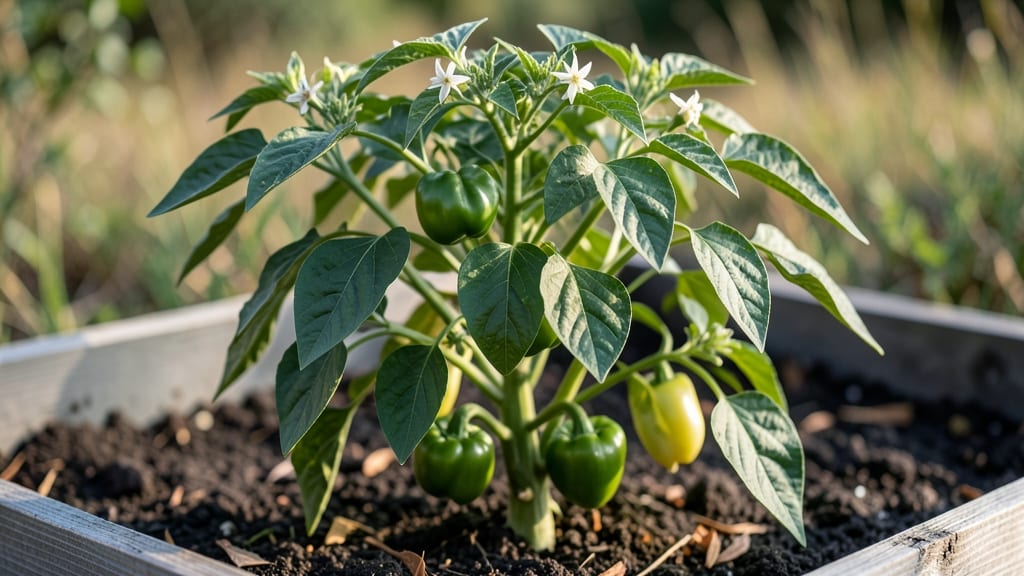
Those pepper leaves curled up like tiny fists? Don’t panic—it’s a distress signal. 🌱 I’ve seen this happen from spider mites to heat stress, and the good news is most fixes take less than 30 minutes to start.
The key is identifying whether the problem’s on the leaves, in the soil, or lurking underground.
Start by flipping leaves for tiny webs or specks (mites), then check for yellowing or sticky residue (aphids). If the soil’s dry or too wet, that’s often the culprit too.
A quick spray of neem oil or insecticidal soap tackles pests, while adjusting watering and mulching fixes environmental stress. Within a week, you’ll see leaves unfurling again.
📚 In This Guide
- What you need
- Instructions
- Tips and common mistakes
- Wrapping up and next steps
What you need
- ● Magnifying glass or handheld loupe – Helps spot tiny pests or damage up close.
- ● Pruning shears or sharp scissors – For trimming affected leaves or stems (sterilize with rubbing alcohol first!).
- ● Garden gloves – Protects your hands from sap, pests, or soil.
- ● Spray bottle (8–16 oz) – For applying homemade remedies like neem oil or soapy water.
- ● Neem oil (100% pure, organic) – 1 tbsp per quart of water (or follow product instructions).
- ● Insecticidal soap (mild, plant-safe) – Look for a 2–3% potassium salt formulation.
- ● Fungicide (copper-based or horticultural oil) – If fungal issues (like early blight) are suspected.
- ○ pH test kit (optional but helpful) – To check soil acidity (peppers prefer 6.0–6.8).
- ● Moisture meter or finger test – Ensures soil isn’t too dry or waterlogged.
- ● Hose with adjustable nozzle – For gentle rinsing to remove pests.
- ● Yellow sticky traps – Catches flying insects like whiteflies.
- ● Beneficial nematodes (for soil-dwelling pests) – Apply during cool, damp evenings.
- ● Reflective mulch (aluminum foil or silver plastic) – Deters pests like aphids.
- ● Journal/notebook – Track symptoms, treatments, and progress over time!
How to diagnose and fix curling pepper leaves fast
Here’s how I troubleshoot and revive peppers within days—no guesswork involved.
🌿 Step 1: Check for Pests and Inspect Leaf Undersides
Start by examining the undersides of curled leaves for tiny webs, specks, or crawling insects. Spider mites and aphids are the usual culprits—they suck sap, causing leaves to pucker and curl. Hold a white sheet of paper under the plant and shake gently. If you see tiny moving dots or fine webbing, you’ve found your problem.
I like to use a magnifying glass for this step. If pests are present, don’t panic—most infestations respond quickly to targeted treatment. The key is acting fast before they spread to new leaves. You’ll know it’s working when the curled edges start relaxing within 24-48 hours of treatment.
☀️ Step 2: Verify Watering Habits and Soil Moisture
Curling can also signal underwatering or overwatering. Stick your finger 1-2 inches into the soil—if it’s bone-dry, your plant is thirsty. Pepper plants prefer soil that stays evenly moist but not soggy. Water deeply when the top inch feels dry, then let excess drain away completely to prevent root rot.
Here’s the thing—peppers hate inconsistent moisture. If you’ve been skipping watering days, the sudden curl is your plant’s way of conserving water. Adjust to a consistent schedule (every 2-3 days in summer, less in winter) and watch for leaves to unfurl within 3-5 days. Yellowing leaves paired with curling? That’s overwatering—cut back immediately.
💧 Step 3: Adjust Light Exposure and Airflow
Pepper leaves often curl when they’re getting too much direct afternoon sun (especially in hot climates) or not enough light (leading to weak, leggy growth). Move your plant to a spot with morning sun and afternoon shade if leaves are scorched-looking. If the curling is paired with pale, stretched stems, your plant needs more light—aim for 6-8 hours daily.
Poor airflow traps humidity against leaves, inviting fungal issues that cause curling. If your peppers are crowded or in a stuffy spot, improve circulation by spacing plants 12-18 inches apart and using a small fan on low setting near the plants. You’ll see leaves perk up within 2-3 days as stress reduces.
✂️ Step 4: Rule Out Nutrient Deficiencies or Overfeeding
Curling can also signal nitrogen deficiency (yellowing leaves) or too much fertilizer (brown leaf tips). If the soil feels dry and leaves are curling with a dull green color, it’s time for a balanced liquid fertilizer (half-strength). Apply it to moist soil and water in well. Over-fertilized plants often have curled leaves with crispy edges—flush the soil with water to leach out excess salts.
I always check the soil pH too—peppers prefer 6.0-6.8. If your soil is too acidic (below 6.0), the plant struggles to absorb nutrients, leading to curling. Test your soil with a kit or amend with lime if needed. Healthy leaves should unfurl within 5-7 days of correcting the imbalance.
⏰ Step 5: Monitor Progress and Adjust as Needed
After implementing fixes, keep a 3-day log of leaf changes. Note which leaves unfurl first—this tells you which treatment worked. If curling persists after a week, reassess: pests may have returned, or the plant could be stressed from transplant shock or root damage.
Real talk: Sometimes the issue is deeper, like root-bound plants or disease. If leaves stay curled and yellow, gently check the roots. Healthy roots are white and firm; mushy or black roots mean it’s time to repot or treat for rot. Most peppers bounce back within 7-10 days of proper care—patience is key!
Tips & tricks for reviving curled pepper leaves
Here's how to turn things around fast—these tricks cut diagnosis time in half and get your peppers back on track.
Pest Detection Pro Tip: In Step 1, when checking for pests, don't just look—listen! Tap curled leaves over a white surface. Spider mites make a faint rustling sound, and aphids leave behind sticky residue that resembles honeydew. I've caught early infestations this way that visual inspection missed. The sooner you spot them, the faster those curled edges will relax within the 24-48 hour window.
Watering Consistency Hack: For Step 2, use a moisture meter or the old finger test consistently—1-2 inches deep. I've ruined peppers by guessing moisture levels. Pro tip: Water in the morning so leaves dry quickly, preventing fungal issues that worsen curling. If you're still unsure, stick with the 2-3 day schedule in summer—it's foolproof for most climates.
Light Exposure Strategy: When adjusting light in Step 3, watch for subtle clues. Leaves curling toward the light? They're reaching for more. Pale stems with curling? They're stretched from insufficient light. I've seen dramatic improvements in just 2-3 days after moving plants to a spot with 6-8 hours of morning sun and afternoon shade. A sheer curtain helps diffuse harsh afternoon rays without blocking needed light.
Nutrient Balance Check: In Step 4, if you suspect over-fertilization, don't just flush the soil—test it first. I've seen brown leaf tips from excess salts that weren't immediately obvious. For a quick test, dissolve 1 teaspoon of soil in 1 cup of water. If it looks cloudy, you've got excess minerals. Healthy leaves should unfurl within 5-7 days of correcting the balance.
Pro Tips for Pepper Leaves Curled Up
- Here's how to turn things around fast—these tricks cut diagnosis time in half and get your peppers back on track.
- Pest Detection Pro Tip: In Step 1, when checking for pests, don't just look—listen!
- Watering Consistency Hack: For Step 2, use a moisture meter or the old finger test consistently—1-2 inches deep.
Frequently asked questions
Got questions about those frustratingly curled pepper leaves? You’re not alone! Here are some of the most common concerns—and quick answers to get your plants back on track.
Why are my pepper leaves curling up in the first place?
Curling leaves are usually a sign of stress, often caused by pests (like spider mites or aphids), under/overwatering, heat stress, or nutrient deficiencies. Check the undersides of leaves for tiny bugs or sticky residue, and inspect soil moisture—too dry or soggy can trigger this reaction.
How long does it take for curled pepper leaves to recover?
Recovery time depends on the cause. If pests are the issue, you’ll see improvement in 3–7 days after treatment. For environmental stress (like heat or watering), leaves may bounce back in 1–2 weeks if conditions improve. Severe damage might take longer—prune affected leaves to redirect energy to healthy growth.
Should I water my pepper plant more or less if the leaves are curling?
It depends! Overwatering causes yellowing + curling, while underwatering leads to crispy, wilted edges. Stick your finger 1 inch into the soil—if it’s dry, water deeply; if soggy, hold off and improve drainage. Mulch helps retain moisture without drowning roots.
What’s the fastest way to fix curled leaves from spider mites?
Spider mites love dry conditions, so start by mist your plant daily to boost humidity. Spray leaves with a soapy water solution (1 tsp mild soap + 1 quart water) or neem oil. Repeat every 3–5 days until new growth appears. Isolate the plant to prevent spreading!
Can I still harvest peppers if the leaves are curling?
Yes! Curling leaves don’t affect pepper quality, but check for pests first. If the plant is otherwise healthy, harvest as usual—just watch for stress signs like dropping flowers or fruit. Focus on reviving the plant to ensure future yields.
Wrapping up and next steps
Don’t let curled pepper leaves stress you out—your plants are resilient, and with the right care, they’ll bounce back stronger than ever! 🌱 Whether the issue was pests, disease, or environmental factors, you now have three quick fixes to diagnose and treat the problem.
Start by inspecting your plants regularly and addressing issues early to keep your garden thriving.
Ready to take action? Pick one fix (or all three!) and give your peppers the TLC they deserve. Your future harvests will thank you—literally! 🌶️