
Plants
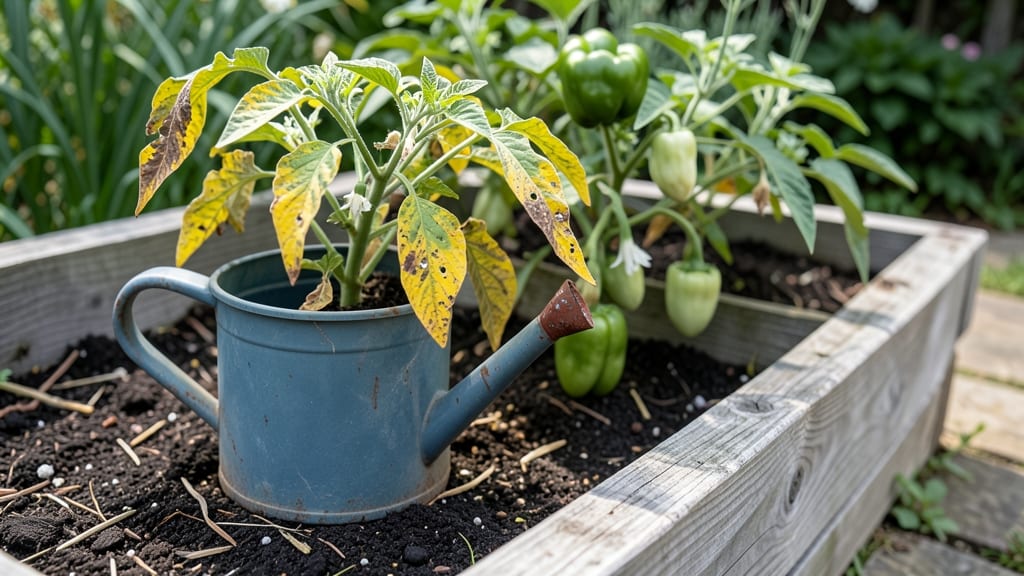
A pepper plant dying doesn’t mean it’s gone—quick fixes can revive those droopy leaves and bring back your harvest. 🌿 I’ve saved more than my share of struggling peppers, and the key is spotting the root issue before it’s too late.
Yellowing leaves, wilting stems, or crunchy spots? Each symptom points to a different fix, and we’ll tackle them one by one.
Overwatering drowns roots, while underwatering leaves plants begging for moisture. Pests like aphids or spider mites suck the life out of leaves, and diseases like bacterial spot create those ugly brown spots.
Even temperature swings or too little sunlight can shock a pepper plant into decline. The good news? Every issue has a targeted solution—no guesswork needed.
Within 7-10 days, you’ll see new growth if you act now. We’ll start with a quick check of the soil, leaves, and stems to pinpoint the issue, then move to proven fixes like adjusting water, pruning damaged areas, or introducing beneficial insects.
No more guesswork—just results that bring your peppers back to life.
If the damage is severe, we’ll talk about whether repotting or replacing is the smarter move. But first, let’s diagnose what’s really going wrong—because the faster you act, the faster those green leaves bounce back.
Root Causes Behind Wilted Peppers
When your pepper plants start to struggle, the issue often traces back to a few key environmental or care-related factors. Understanding these causes is the first step to reviving your plants before it’s too late.
Below, we break down the most common reasons why pepper plants turn weak, yellow, or even die—along with the science behind each problem.
Pepper plants are sensitive to soggy roots. Unlike drought-tolerant succulents, they thrive in well-draining soil with consistent moisture—but not waterlogged conditions. When roots sit in excess water, they suffocate due to hypoxia (lack of oxygen), leading to:
- Root rot: Fungal pathogens like Phytophthora or Pythium attack waterlogged roots, causing them to turn mushy and black.
- Nutrient starvation: Waterlogged soil flushes out essential nutrients (e.g., nitrogen, potassium), leaving plants malnourished.
- Leaf yellowing: Chlorosis (yellowing between leaf veins) signals poor nutrient uptake, often from compacted, anaerobic soil.
Actionable fix: Test your soil’s moisture by sticking your finger 1–2 inches deep—water only when the topsoil feels dry. Use pots with drainage holes and amend heavy clay soil with perlite or compost to improve aeration.
Pepper plants love sunlight but can’t handle scorching temperatures. When exposed to intense heat (especially above 90°F/32°C), they exhibit:
- Leaf scorch: Brown, crispy edges on leaves, often on the upper side (sun-exposed surface).
- Blossom drop: High temps disrupt pollination, causing flowers to fall off before fruiting.
- Stunted growth: Heat stress forces plants to allocate energy to survival, halting fruit production.
Science note: Peppers are Capsicum species, native to tropical regions where they adapt to moderate heat—but not direct midday sun in desert climates. Their waxy cuticle helps retain water, but extreme UV radiation damages cell membranes.
Actionable fix: Provide afternoon shade (use shade cloth or dappled sunlight). Mulch with straw to regulate soil temp, and water deeply in the morning to cool roots.
Pepper plants are tropical at heart and struggle when temperatures dip below 50°F (10°C) or fluctuate wildly. Cold stress triggers:
- Blackened leaves: Frost damage or sudden cold snaps cause cellular rupture, turning leaves dark and mushy.
- Slow metabolism: Enzymes in pepper plants (like those for photosynthesis) become inactive below 55°F (13°C), stalling growth.
- Root freeze: Soil temps below 45°F (7°C) can kill roots, cutting off water/nutrient supply.
Actionable fix: Move potted peppers indoors or to a greenhouse if nights drop below 60°F (15°C). For garden peppers, use row covers or plant in microclimates (e.g., near south-facing walls).
Pepper plants are prone to pathogen attacks when stressed (e.g., from overwatering or poor air circulation). Common culprits include:
| Disease | Symptoms | Cause |
|---|---|---|
| Early Blight (Alternaria solani) | Brown, concentric rings on lower leaves; stems may darken. | Fungal spores spread in wet conditions; thrives in humid climates. |
| Bacterial Spot (Xanthomonas) | Water-soaked spots with yellow halos; leaves may drop prematurely. | Bacteria enter through wounds (e.g., pruning cuts) or rain splashes. |
| Powdery Mildew (Leveillula taurica) | White, powdery coating on leaves; stunted growth. | Fungal spores spread in low-light, high-humidity conditions. |
Actionable fix: Remove infected leaves immediately (sterilize pruners with rubbing alcohol). Improve airflow with spacing or fans, and apply copper fungicide or neem oil preventatively. Avoid overhead watering.
Pepper plants require a balanced diet of macronutrients (N-P-K) and micronutrients. Deficiencies show up as:
- Nitrogen (N) deficiency: Pale yellow leaves (starting with older leaves) and stunted growth. Nitrogen fuels leafy growth.
- Potassium (K) deficiency: Brown leaf edges or "scorch" (especially in older leaves). Potassium regulates water and disease resistance.
- Magnesium (Mg) deficiency: Interveinal yellowing (between veins) due to poor chlorophyll production.
- Calcium (Ca) deficiency: Blossom end rot (black, sunken spots on fruits) or distorted new leaves.
Science note: Peppers are heavy feeders and deplete soil nutrients quickly. A soil pH below 6.0 or above 7.0 also locks out nutrients like phosphorus and iron.
Actionable fix: Test your soil’s pH (aim for 6.0–6.8) and amend with compost or a balanced fertilizer (e.g., 10-10-10). For specific deficiencies, use targeted amendments:
- Nitrogen: Blood meal or fish emulsion.
- Potassium: Wood ash or banana peel tea.
- Calcium: Crushed eggshells or lime.
Revive Your Pepper Plant Now
Seeing your pepper plant struggle can be frustrating, but the good news is most issues have quick fixes. Below, we’ve mapped out practical solutions for the most common causes—plus tips to keep your plant thriving long-term. Grab your gloves and let’s get growing!
Signs: Yellowing leaves, mushy stems, wilting despite wet soil, or dry, crispy edges.
Fix It Fast:
- 🔥 Check the Soil First
- Stick your finger 1–2 inches deep into the soil. If it’s soggy (like a sponge), you’re overwatering. If it’s bone-dry, it’s time to hydrate.
- Pro Tip: Use a moisture meter for accuracy—no guesswork!
- 🍳 Drainage Drill - Overwatered? Stop watering immediately and move the plant to a bright, shady spot (no direct sun yet). Let the top 2–3 inches of soil dry out before watering again. - Underwatered? Water deeply until it drains from the bottom.
Use room-temperature water to avoid shocking the roots.
- 👨🍳 Upgrade the Pot (If Needed)
- Pepper plants hate soggy feet. If your pot lacks drainage holes, repot it ASAP into one with holes + a cache pot underneath to catch excess water.
Prevent Future Woes:
- 💡 Watering Schedule: Stick to 1–1.5 inches per week (adjust for climate). Water at the base, not the leaves, to prevent fungal issues.
- 🌡️ Soil Test: Use a mix with perlite or coconut coir to improve aeration.
Avoid heavy clay soils. - ✨ Self-Watering Hack: Bury a terracotta pot near the roots—it’ll wick up moisture when the soil dries out.
Signs: White/yellow patches on leaves, crispy edges, or slow growth despite watering.
Fix It Fast:
- 🔪 Trim the Damage
- Snip off severely sunburned leaves with clean scissors. Healthy leaves will help the plant recover faster.
- 🥘 Gradual Sun Exposure
- Too much sun? Move to a spot with morning sun + afternoon shade (east-facing windows or partial shade outdoors).
- Too little light? Incrementally increase sunlight over 3–5 days to avoid shade shock. A grow light (12–14 hours/day) works indoors.
- 🌿 Mulch Like a Pro
- Spread 2–3 inches of mulch (straw or shredded leaves) around the base to regulate soil temperature and retain moisture.
Prevent Future Issues:
- 🎯 Ideal Spot: Pepper plants love 6–8 hours of sunlight daily.
Test with a light meter if unsure. - 🔥 Heat Protection: In extreme heat (over 90°F), use shade cloth (30–50%) to filter harsh rays. - 🌡️ Container Tip: If growing in pots, bury the pot slightly deeper in the ground to stabilize soil temps.
Signs: Black spots, yellow halos, white powdery residue, or mushy stems with a foul smell.
Fix It Fast:
- 🔥 Isolate the Plant
- Move it away from other plants immediately to prevent spread. Check nearby foliage for signs of infection.
- 🍳 Chemical or Natural Remedies - Mild Cases: Spray with a 1:10 hydrogen peroxide-water mix (3%) or neem oil solution (1 tbsp neem oil + 1 tsp mild soap per quart of water).
Reapply every 5–7 days for 2 weeks. - Severe Cases: Use copper fungicide (follow label instructions). For bacterial issues, prune infected areas and disinfect tools with rubbing alcohol.
- 👨🍳 Soil Rescue Mission
- If the soil is contaminated, repot the plant into sterilized soil (bake soil in the oven at 200°F for 30 mins or use fresh potting mix).
Prevent Future Outbreaks:
- 💡 Airflow is Key: Space plants 12–18 inches apart for circulation. Use a small fan on low for indoor plants.
- 🌡️ Water Wisely: Always water at the base, and avoid overhead watering.
Use a watering wand for precision. - ✨ Soil Sterilization: Before repotting, sterilize containers with a 10% bleach solution (rinse well afterward).
Signs: Yellowing between leaf veins (iron/chlorosis), purple stems (phosphorus), or stunted growth despite water.
Fix It Fast:
- 📊 Diagnose the Deficiency
- Use this quick guide:
| Symptom | Likely Nutrient | Quick Fix |
|---|---|---|
| Yellow leaves (new growth) | Nitrogen (N) | Add balanced fertilizer (10-10-10) or compost. |
| Yellow between veins | Iron/Magnesium | Spray with chelated iron or add Epsom salt (1 tbsp/gallon). |
| Purple stems/leaves | Phosphorus (P) | Use a phosphorus-rich fertilizer (5-10-10). |
| Brown leaf tips | Calcium | Add crushed eggshells or calcium nitrate. |
- 🍳 Flush the System
- If overfertilized, leach the soil by watering heavily until fertilizer runs out the drainage hole. Repeat 2–3 times.
- 👨🍳 Feed the Right Way
- Organic Boost: Mix in compost or worm castings for slow-release nutrients.
- Synthetic Fix: Use a water-soluble fertilizer (like Miracle-Gro) every 2–4 weeks during growing season.
Prevent Future Issues:
- 🎯 Soil Test First: Test your soil’s pH (6.0–6.8 is ideal for peppers) with a home test kit.
- 🔥 Less is More: Follow fertilizer instructions to the letter—more isn’t better!
- ✨ Natural Top-Dressing: Sprinkle crushed banana peels (potassium) or crushed eggshells (calcium) around the base monthly.
Signs: Sticky residue, holes in leaves, spiderwebs, or tiny crawling bugs.
Fix It Fast:
- 🔥 Identify the Culprit
- Common pepper pests:
- Aphids (tiny green/black bugs)
- Spider mites (tiny yellow dots + webbing)
- Whiteflies (tiny white moths when disturbed)
- Cutworms (chewed stems at soil level)
- Common pepper pests:
- 🍳 DIY Pest Control
- Blast ‘Em Away: Spray pests with soapy water (1 tsp mild soap per quart of water) or neem oil.
- Traps for Whiteflies: Stick yellow sticky cards near the plant.
- Handpick: For larger pests (like cutworms), disrupt them at night with a flashlight.
- 👨🍳 Long-Term Defense
- Beneficial Insects: Introduce ladybugs
Frequently asked questions
Why are my pepper plant leaves turning yellow but the veins stay green?
This classic symptom points to iron or magnesium deficiency—common in peppers when soil pH is too high (above 7.0). The veins stay green because they contain more chlorophyll, while the tissue between them suffers. Fix it by adding Epsom salt (1 tbsp/gallon of water) every 2 weeks or using chelated iron supplements. Test your soil pH first—aim for 6.0-6.8.
Can I save a pepper plant with black, mushy stems and a foul smell?
If the stems are already mushy with a rotten odor, the plant is likely suffering from bacterial or fungal root rot. Unfortunately, severe cases are usually irreversible. Try saving healthy stems by cutting them below the infection, treating with hydrogen peroxide (3%), and propagating in fresh, sterile soil. For the main plant, remove it completely to prevent spreading.
How often should I water my pepper plants to prevent them from dying?
Pepper plants need 1-1.5 inches of water per week, but the key is consistency. Water deeply at the base when the top 1-2 inches of soil feel dry—never let them sit in soggy conditions. For containers, check moisture daily in hot weather. Morning watering prevents fungal issues, and always use pots with drainage holes to avoid waterlogged roots.
What should I do if my pepper plant has white, powdery spots?
That’s powdery mildew, a fungal disease that thrives in humid conditions. Start by pruning infected leaves immediately (sterilize your scissors with rubbing alcohol). Then apply neem oil solution (1 tbsp + 1 tsp soap per quart of water) every 7-10 days. Improve airflow by spacing plants 12-18 inches apart and avoid overhead watering—water at the base instead.
Is it too late to revive a pepper plant with no leaves left?
Not necessarily! If the stem is still firm and green, your plant may recover. Prune any remaining damaged leaves and move it to a bright, indirect light spot (no direct sun yet). Feed with a balanced fertilizer (10-10-10) and keep the soil consistently moist but not soggy. New growth should appear in 2-4 weeks if the roots are still healthy.