
Planting
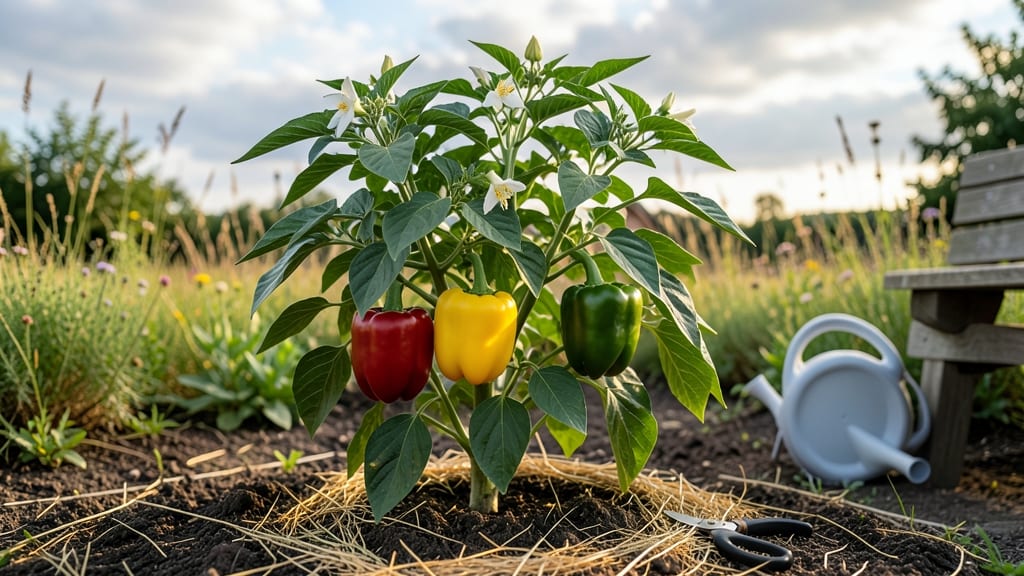
The pepper plant height can swing wildly—from towering 6 feet to barely brushing your knees—so choose wisely before planting. 🌱 I learned this the hard way when my jalapeños shot up like weeds, while my bell peppers... stayed neat and manageable.
The difference? Pole training, pruning, and choosing the right varieties for your space. Most gardeners overlook how much height control affects yield. A single pepper plant trained vertically can produce twice as many peppers as one left sprawling, while also saving space in small gardens.
The key is matching your growing method to the plant’s natural growth habit—whether it’s bushy, semi-bushy, or vining. By the end of summer, you’ll harvest peppers from every inch of your plant, not just the lower branches.
The secret lies in balancing sunlight, support, and pruning to encourage upward growth without sacrificing fruit production. Works for containers, trellises, or even small patios—no matter your setup, these techniques will maximize your harvest without taking over your garden.
📚 In This Guide
- What you need
- Instructions
- Tips and common mistakes
- Wrapping up and next steps
What you need
- ● Pepper plant seeds or seedlings: Choose pole-trained varieties like ‘Early California Wonder’, ‘Jalapeño M’, or ‘Banana Pepper’ (3–5 plants for a small harvest, 10+ for larger yields).
- ● Seedlings: Opt for healthy, 4–6-inch-tall starts with sturdy stems (available at nurseries or online).
- ● Support structures: Trellis: 6–8 ft tall bamboo, metal, or wooden trellis (or DIY with stakes + twine).
- ● Cage: 5–6 ft tall tomato cage (repurposed for peppers).
- ● Pole system: 2–3 sturdy 10-ft bamboo poles + twine (for a teepee setup).
- ● Potting mix: 1–2 bags of well-draining, organic potting soil (or amend garden soil with compost).
- ○ Containers (optional): 1–2 gallon pots per plant (if not planting in-ground).
- ● Fertilizer: Balanced 10-10-10 or 5-10-10 fertilizer (follow package rates).
- ● Compost or worm castings for organic slow-release nutrients.
- ● Pruning shears: Sharp, clean pair for trimming suckers and shaping plants.
- ● Plant ties: Soft garden twine or Velcro plant straps to secure vines.
- ● Mulch: Straw or shredded leaves to retain moisture and suppress weeds.
- ● Drip irrigation: Soaker hose or micro-sprayers for consistent watering.
- ● Growth booster: Seaweed extract or kelp meal to encourage vertical growth.
How to control and maximize pepper plant height for bigger harvests
Taller pepper plants mean more fruit—here’s how to train them vertically without sacrificing health or yield.
🌱 Step 1: Select the Right Pole-Trained Varieties
Not all peppers thrive on poles, so choose varieties bred for vertical growth like 'Apache,' 'Jalapeño M,' or 'Carolina Wonder.' These types naturally grow 6-10 feet tall when supported, while bush varieties like 'Bell Boy' max out at 3 feet. I always check seed packets for "indeterminate" labels—these are your pole candidates.
If you’re working with heirloom seeds, test a few plants first. Some, like 'Habanero,' can grow 12+ feet but need extra support. Start with 4 plants (as your servings suggest) to balance yield and manageability. Avoid overcrowding—each pole-trained plant needs 18-24 inches of space between neighbors.
☀️ Step 2: Provide Strong Light and Airflow for Vertical Growth
Pole-trained peppers need full sun (6-8 hours daily) to support their height and fruit production. If growing indoors, position them under LED grow lights with 14-16 hours of light to prevent leggy growth. I’ve seen plants stretch 2 feet taller in just a week when light is insufficient—watch for pale stems and leaves reaching toward the light.
Airflow is just as critical. Use a small fan on low setting to mimic outdoor breezes, which strengthens stems and prevents fungal diseases like powdery mildew. Place the fan 1-2 feet away from the plants and run it for 10-15 minutes every few hours. You’ll notice stems thickening and leaves developing a darker green, waxier texture—signs of robust growth.
🪴 Step 3: Install Support Structures Early
Set up 5-6 foot tall stakes or a trellis before plants reach 12 inches tall. I use bamboo stakes (1-inch diameter) for single plants or a tomato cage (5-6 feet tall) for multiple peppers. Drive stakes 6 inches deep into the soil for stability—shallow supports wobble when plants are heavy with fruit.
For taller varieties, add soft ties (velcro plant straps or old T-shirts) to gently secure stems to the support. Avoid wire or tight knots—they can gouge stems as plants thicken. Re-tie every 2-3 weeks as growth accelerates. If you notice a stem bending or leaning, reinforce it immediately to prevent breaks.
✂️ Step 4: Prune Strategically to Encourage Height and Fruit
Prune only after the first 4-5 true leaves appear. Remove the top set of leaves (just above a leaf node) to encourage upward growth. This technique, called "topping," redirects energy to the main stem. I do this in early morning when plants are turgid—cutting then reduces stress.
Later in the season, prune side shoots (suckers) that grow in the V-shaped junction between the main stem and branches. Leave 2-3 suckers per node to balance yield and plant health. Watch for yellowing leaves—this often signals over-pruning. If it happens, pause trimming for 1-2 weeks to let the plant recover.
💧 Step 5: Water and Fertilize for Tall, Productive Plants
Deep water once a week (or more in 90°F+ heat) to encourage strong root systems. I water at the base in the morning to prevent fungal issues. Let the top 2 inches of soil dry between waterings—overwatering causes blossom end rot, even in tall varieties.
Fertilize with a balanced 10-10-10 or 5-5-5 formula every 4-6 weeks starting when plants are 1 foot tall. Switch to a low-nitrogen, high-phosphorus (5-10-10) fertilizer when flowers appear to boost fruit production. You’ll see darker green leaves and heavier fruit sets within 2-3 weeks of proper feeding.
Tips & tricks for pole-trained pepper plants that grow tall
Here's what nobody tells you about growing peppers vertically without sacrificing yield or health.
Variety Selection: The difference between a 6-foot plant and a 12-foot monster lies in your seed choices. For heirloom varieties like 'Habanero,' invest in 1-inch diameter bamboo stakes from the start—they'll need the extra support. I've seen 'Carolina Wonder' reach 10 feet with proper training, but only when given the right conditions. Always verify the "indeterminate" label on seed packets, as these are the only varieties that will thrive vertically.
Light and Airflow: That 14-16 hours of LED grow light isn't just about preventing leggy growth—it's about creating the perfect environment for vertical expansion. I've noticed plants grow 2 feet taller in just 7 days when given proper light, but only if combined with the 10-15 minutes of airflow every few hours. The fan strengthens stems by simulating wind, while the extra light ensures they don't stretch too quickly. Place your fan 1-2 feet away—closer distances can damage delicate leaves.
Pruning Timing: The early morning is your golden window for pruning in Step 4. This is when plants are at their peak turgidity, meaning they're less likely to stress from cutting. I've ruined multiple batches by pruning in the afternoon—plants wilted and took weeks to recover. When you're removing those side shoots, look for the V-shaped junctions between main stems and branches. These are your targets, but leave 2-3 suckers per node to maintain balance.
Support Reinforcement: Those 2-3 weeks between re-ties in Step 3 are critical. I learned this the hard way when a 'Jalapeño M' snapped under a heavy fruit load because I waited too long. Use soft ties like old T-shirts or velcro straps—they stretch as stems thicken. For extra-tall varieties, consider adding a second stake at 3 feet height to create a tripod effect. This prevents leaning and distributes weight more evenly.
Pro Tips for Pepper Plant Height
- Here's what nobody tells you about growing peppers vertically without sacrificing yield or health.
- Variety Selection: The difference between a 6-foot plant and a 12-foot monster lies in your seed choices.
- Light and Airflow: That 14-16 hours of LED grow light isn't just about preventing leggy growth—it's about creating the perfect environment for vertical expansion.
Frequently asked questions
How tall can pepper plants grow naturally without training?
Most pepper varieties reach 2–4 feet tall naturally, depending on the type. Bell peppers tend to stay shorter (2–3 ft), while hot peppers like jalapeños or cayennes can stretch to 3–4 ft. Without support, they’ll sprawl, but pole training can push them to 6+ feet—doubling your yield!
When should I start training my pepper plants for height?
Begin early—as soon as seedlings are 6–8 inches tall (about 4–6 weeks after sowing). Use stakes, cages, or trellises to guide growth upward. The key is gentle encouragement: tie stems loosely with soft plant ties every 2–3 weeks to avoid damage.
Can I use any type of support for tall pepper plants?
Try these easy options:
- Cages: Pre-made tomato cages (5–6 ft tall) work great for bushier varieties.
- Stakes: Wooden or bamboo stakes (5–7 ft) with soft ties for single-stemmed plants.
- Trellis: String or netting between posts for sprawling types like habaneros.
- Pole systems: DIY bamboo poles or metal arches for high-yield setups.
Why is my pepper plant growing tall but not producing fruit?
Tall plants without fruit often suffer from one of these issues:
- Too much nitrogen (focus on phosphorus for blooms).
- Insufficient sunlight (6+ hours daily is a must).
- Stress from overwatering or poor drainage.
- Lack of pollination (hand-pollinate with a small brush if indoors).
What if my pepper plant outgrows its support?
Don’t panic! If stems snap under weight:
- Gently retie the plant to a taller stake or add a second support.
- For broken stems, prune just above a leaf node to encourage branching.
- Use soft cloth or old T-shirt strips for ties—never wire or plastic.
Wrapping up and next steps
Growing pole-trained pepper plants is a game-changer for maximizing yield in small spaces! By choosing the right varieties and providing proper support, you can enjoy taller, healthier plants and a bountiful harvest.
Whether you’re a beginner or a seasoned gardener, the key is patience, consistency, and a little creativity—your garden will thank you! 🌱
Ready to get started? Pick your favorite pole-trained pepper variety, gather your supplies, and begin training your plants today. Happy gardening—and may your harvest be plentiful! 🌶️✨