
Companion Plants
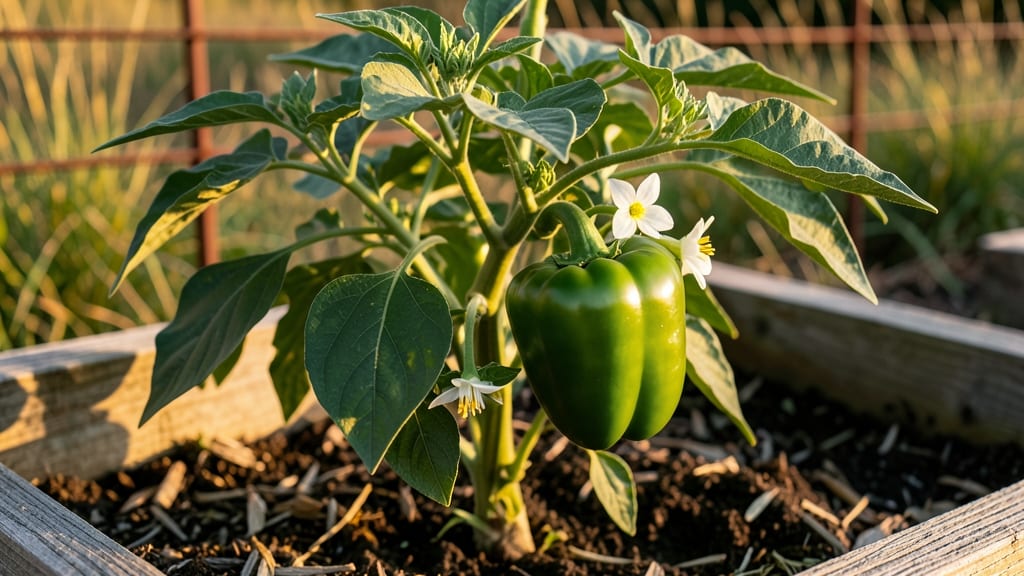
That crispy-edge nightmare can strike even the most careful gardeners—including me after my 2022 pepper plants mysteriously developed "paper leaves" mid-July. 🌱 The good news is 90% of cases have simple fixes, and we'll walk through each one step by step so you can restore those leaves to their proper plumpness in days.
Most curling stems from one of three culprits: water stress (either too much or too little), pest pressure (those tiny spider mites love peppers), or environmental shocks like sudden heat spikes. I've seen peppers recover from all three—even when the leaves looked like they'd been baked in a hot oven.
The key is matching symptoms to solutions, which we'll break down by visual clues like leaf color, texture, and where the curling starts.
You'll end up with peppers that look healthy from stem to tip, producing those sweet, glossy fruits you planted for.
The fixes are straightforward—think nebulizer sprays for mites, even moisture routines, and shade cloth for heat protection—but the payoff is worth it when your plants bounce back stronger than ever. Let's get those leaves flat and happy again.
Works for backyard gardens, containers, and even greenhouse peppers—just adjust the timing slightly for protected environments. The same principles apply whether you're growing bell peppers, jalapeños, or habaneros. Here's how to diagnose and fix it fast.
Understanding The Root Causes
When your pepper plant’s leaves start curling, it’s often a cry for help—your plant is trying to tell you something’s off. 🌱🔍 Whether it’s a subtle wave or a full-on crispy edge, the culprit can range from environmental stressors to hidden pests.
Let’s break down the most common reasons why your pepper plant’s leaves might be curling, so you can diagnose and fix the issue fast.
Pepper plants hate soggy roots—too much water or compacted soil can suffocate their roots, leading to oxygen deprivation and leaf curling as a distress signal. 💦🚫
- Why it happens: Overwatering disrupts the plant’s ability to absorb nutrients, causing cellular stress. The leaves may also develop yellowing (chlorosis) or brown, crispy edges due to excess moisture.
- Actionable fix:
- Check soil moisture by sticking your finger 1-2 inches deep—if it’s damp, wait to water.
- Ensure pots have drainage holes and use a well-draining soil mix (add perlite or sand if needed).
- Water only when the top inch of soil is dry, and avoid letting plants sit in saucers of standing water.
While overwatering is a common issue, underwatering can also trigger curling as the plant conserves moisture. High temperatures or dry air (like from heaters or low humidity) accelerate water loss, making leaves crisp and curl inward. ☀️🌡️
- Why it happens: When soil dries out too quickly, roots struggle to supply water, causing leaves to transpire faster than they can absorb. This leads to wilting and curling as the plant prioritizes survival over growth.
- Actionable fix:
- Water deeply but infrequently—pepper plants prefer consistent moisture over frequent shallow watering.
- Mulch around the base to retain soil moisture and reduce evaporation.
- Move plants away from direct heat sources (like vents or sunny windows) or use a humidifier if indoor air is dry.
Tiny invaders like spider mites, aphids, or thrips can suck the life out of your pepper plant, causing leaves to curl, yellow, or develop sticky residue (honeydew). 🕷️🐜
- Why it happens:
- Spider mites: These microscopic pests thrive in dry conditions and pierce leaves to feed on sap, leading to curled, discolored leaves.
- Aphids: Clustered on new growth, they distort leaves and excrete honeydew, attracting sooty mold.
- Thrips: Tiny and fast-moving, they scratch leaf surfaces, causing silver streaks and curling.
- Actionable fix:
- Inspect leaves undersides and stems with a magnifying glass for pests or webbing.
- Blast off pests with a strong spray of water or use neem oil (mix 1 tbsp neem oil + 1 tsp mild soap + 1 quart water; spray every 5–7 days).
- Introduce beneficial insects like ladybugs or lacewings to control outbreaks naturally.
A lack of key nutrients can weaken your pepper plant, making leaves curl as they struggle to photosynthesize efficiently. The most common deficiencies include nitrogen, potassium, or magnesium. 🌿💡
- Why it happens:
Nutrient Symptoms Cause Nitrogen (N) Yellowing leaves (starting at the bottom), stunted growth Poor soil quality or over-fertilizing with phosphorus/potassium-heavy feeds Potassium (K) Curling, brown edges, weak stems Overwatering leaching nutrients or soil depleted of organic matter Magnesium (Mg) Interveinal yellowing (between veins), curling Acidic soil or lack of Epsom salt (magnesium sulfate) - Actionable fix:
- Test your soil with a DIY kit or send a sample to a local extension office for analysis.
- Amend soil with compost or balanced fertilizer (e.g., 10-10-10 NPK ratio).
- For magnesium deficiency, dissolve 1 tbsp Epsom salt in 1 gallon of water and spray leaves every 2 weeks.
- Avoid over-fertilizing—pepper plants prefer moderate nutrition over excess salts.
Pepper plants are sensitive to sudden changes in their environment. Wind, temperature fluctuations, or poor air circulation can cause leaves to curl as a protective response. ❄️🌬️
- Why it happens:
- Cold drafts: Pepper plants thrive in warmth (70–85°F). Exposure to cold air (below 50°F) can shock the plant, causing leaves to curl or darken.
- Windburn: Strong winds dry out leaves quickly, leading to crispy edges and curling.
- Poor air circulation: Stagnant air traps humidity near leaves, promoting fungal diseases (like powdery mildew) or pest infestations.
- Actionable fix:
- Move plants away from windows, doors, or AC vents that create drafts.
- Use row covers or windbreaks if growing outdoors in breezy conditions.
- Improve airflow with a small fan on low speed (aimed away from the plant) or prune nearby foliage blocking circulation.
- For indoor plants, avoid placing them near heaters or in enclosed spaces like bathrooms.
Fungal diseases like powdery mildew, early blight, or bacterial spot can cause leaves to curl, develop spots, or wither. These issues thrive in humid, poorly ventilated conditions. 🍄🚨
- Why it happens:
- Powdery mildew: Appears as white, powdery patches on leaves, causing curling and stunted growth.
- Early blight: Dark, concentric rings on lower leaves that spread upward, leading to curling
Quick Fixes for Wrinkled Pepper Leaves
Now that you know the common causes behind your pepper plant’s curled leaves, it’s time to roll up your sleeves and get to work! The good news? Most of these issues are reversible with a little attention and care.
Below, we’ll break down practical, step-by-step solutions tailored to each problem, plus tips to keep your peppers thriving long-term.
Signs: Yellowing leaves, soggy soil, curled edges, or a mushy stem.
How to Revive Your Plant: 🔥 Stop Watering Immediately – Let the top 1–2 inches of soil dry out completely before watering again. 🍳 Repot if Needed – If the roots are waterlogged or rotting (smells foul or looks black), transfer your pepper to a pot with drainage holes and fresh, well-draining soil. 👨🍳 Adjust Your Watering Routine – Pepper plants prefer consistent moisture but hate soggy roots. Water deeply 1–2 times per week, depending on your climate, and always check soil moisture with your finger before watering. 🥘 Improve Soil Aeration – Mix in perlite, vermiculite, or coarse sand to improve drainage in heavy or compacted soil.
Prevention Tips: ✨ Use a moisture meter to avoid guesswork. 💡 Group pots together to create a microclimate with more stable humidity. 🌡️ Avoid watering on a schedule—stick to the "finger test" instead.
Signs: Leaves curling upward (like a "fishhook"), crispy edges, or a sun-bleached appearance.
How to Protect Your Plant: 🔥 Move to Partial Shade – Pepper plants love 6–8 hours of sunlight daily, but intense afternoon sun can scorch them. Use a light shade cloth (30–50%) if temps exceed 90°F (32°C). 🍳 Water More Frequently – Heat stress dehydrates plants faster. Water early in the morning to give roots time to absorb moisture before evaporation. 👨🍳 Mulch the Soil – Apply 2–3 inches of organic mulch (straw, grass clippings, or wood chips) to retain moisture and regulate soil temperature. 🥘 Provide Afternoon Relief – If outdoors, move pots to a slightly shaded spot (like under a patio umbrella) during peak heat hours.
Prevention Tips: ✨ Hardening off seedlings gradually before transplanting to prevent sun shock. 💡 Choose heat-tolerant varieties like ‘Carolina Wonder’ or ‘Jalapeño’ for hot climates. 🌡️ Monitor weather forecasts and adjust shade coverage as needed.
Signs: Curled leaves with tiny holes, webbing, or sticky residue (honeydew), plus visible bugs like aphids, spider mites, or whiteflies.
How to Eliminate Pests: 🔥 Isolate the Plant – Move it away from other plants to prevent spreading. 🍳 Blast Off Pests – Spray leaves with a strong stream of water to dislodge aphids and spider mites. 👨🍳 Neem Oil Spray – Mix 1 tsp neem oil + 1 tsp mild soap + 1 quart water, spray thoroughly (including undersides), and repeat every 5–7 days. 🥘 Introduce Beneficial Insects – Ladybugs and lacewings love eating pests. Buy them online or attract them with dill or fennel plants. 🔪 Prune Damaged Leaves – Cut off heavily infested leaves and dispose of them in sealed bags (not compost).
Prevention Tips: ✨ Inspect new plants before bringing them home. 💡 Encourage biodiversity in your garden to naturally control pests. 🎯 Avoid over-fertilizing with nitrogen, which attracts soft-bodied pests.
Signs: Curled leaves with yellowing between veins (iron deficiency), purple stems (phosphorus deficiency), or burnt leaf tips (too much salt).
How to Fix Nutrient Issues: 🔥 Flush the Soil – If over-fertilized, water the plant thoroughly with plain water to leach out excess salts. 🍳 Test Your Soil – Use a DIY soil test kit (or send a sample to a local extension office) to identify deficiencies. 👨🍳 Add Organic Amendments –
- Iron deficiency? Sprinkle iron chelate or crushed eggshells (for calcium).
- Nitrogen deficiency? Top-dress with compost or worm castings.
- Phosphorus deficiency? Use bone meal or fish emulsion.
🥘 Switch to a Balanced Fertilizer – Use a 5-5-5 or 10-10-10 NPK ratio (nitrogen-phosphorus-potassium) and fertilize every 4–6 weeks during growing season.
Prevention Tips: 💡 Follow the "less is more" rule—peppers are lightweight feeders. 🌱 Rotate crops to prevent nutrient depletion in the same spot. ✨ Use slow-release fertilizers (like organic pellets) to avoid spikes.
Signs: Leaves curling downward or unevenly, torn edges, or stems leaning.
How to Protect Your Pepper: 🔥 Install Windbreaks – Use bamboo stakes, mesh screens, or even a cardboard barrier to shield plants from harsh winds. 🍳 Stake or Cage Plants – Tall varieties (like bell peppers) benefit from tomato cages or bamboo stakes tied gently with soft ties. 👨🍳 Prune Gently – Trim only the most damaged leaves to redirect energy to new growth. 🥘 Move Potted Plants – If outdoors, place pots in a sheltered spot (like near a fence or wall).
Prevention Tips: ✨ Choose compact varieties for windy areas (e.g., ‘Snack Pepper’). 💡 Plant in groups—peppers support each other in clusters. 🌡️ Avoid late pruning—stop trimming after early summer to prevent stress.
Final Pro Tip: 🌿 Observe daily—catching issues early (like the first sign of curling) makes fixes 10x easier. Keep a plant journal to track watering, sunlight, and pest activity for future reference!
With these fixes, your pepper plant should bounce back in 1–2 weeks, and you’ll be on your way to a bountiful harvest of crisp, healthy peppers! 🌶️🔥
Frequently asked questions
Why do my pepper plant leaves curl upward instead of downward?
Upward curling usually signals underwatering or heat stress. When pepper plants don't get enough moisture, leaves curl upward to reduce water loss—like rolling up to conserve energy. Check soil moisture with your finger: if the top 1-2 inches are dry, water deeply. For heat stress, move plants to partial shade during peak afternoon sun (especially if temps exceed 90°F).
Can I save my pepper plant if the leaves are already completely curled and crispy?
It depends on how long the damage has persisted. If only the outer leaves are affected, prune them off and focus on correcting the root cause (water, pests, or nutrients). However, if the curling has spread to new growth or the plant looks wilted, it may be too late. In this case, start fresh with a healthy seedling or cutting. Prevention is key—check plants weekly for early signs!
How do I know if my pepper plant's curling is from pests vs. environmental stress?
Look for these clues: Pests often leave visible signs like tiny webs (spider mites), sticky residue (aphids), or tiny holes in leaves. Use a magnifying glass to check leaf undersides. Environmental stress (like water issues) typically shows as uniform curling across all leaves with no visible bugs. Hold leaves up to light—if you see tiny moving dots, it's pests!
Will my pepper plant produce fruit if the leaves are curling?
Yes, but the quality may suffer. Pepper plants are resilient and can still produce fruit even with curled leaves, though yields might be smaller. Focus on fixing the issue immediately—healthy leaves are crucial for photosynthesis and fruit development. If the curling is severe, prioritize saving the plant first, then worry about fruit production. A well-cared-for pepper can still give you a plenty of peppers!
Can I use coffee grounds to fix curling pepper leaves?
Coffee grounds can help with nutrient deficiencies (they're high in nitrogen), but they won't fix curling caused by pests or water issues. For curling, focus on the root cause first. If you suspect nitrogen deficiency (yellowing leaves), sprinkle used coffee grounds lightly around the base—just 1/2 cup per plant every few weeks. Too much can make soil too acidic!