
Plants
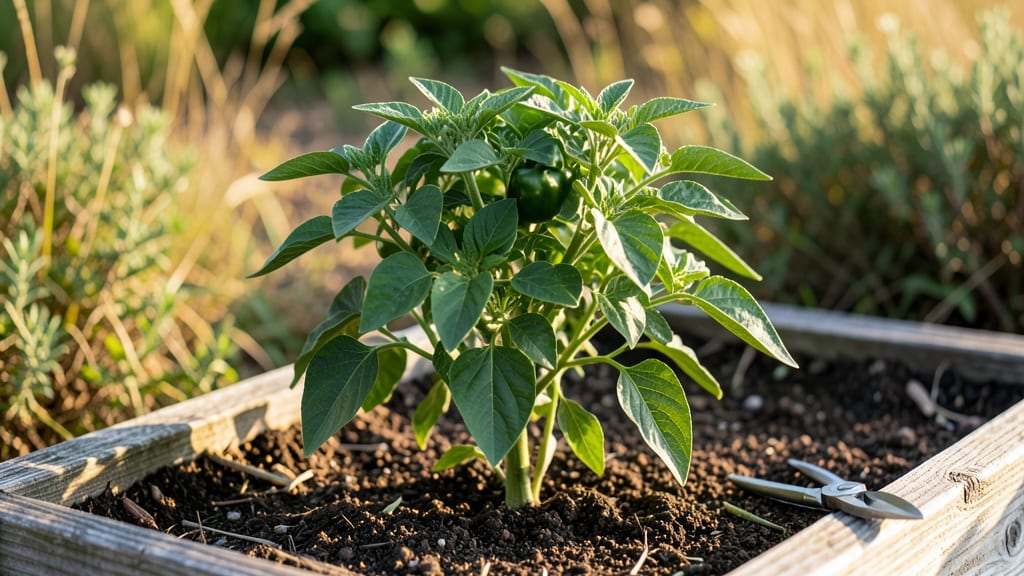
Pepper plants not flowering? That stubborn blankness where blooms should be is the gardener's worst nightmare—especially when you're eyeing a summer of homegrown jalapeños. 🌿 I've stared at my own pepper plants in frustration, only to realize they were begging for sunlight, not attention.
The fix isn't complicated, but it does require understanding what peppers actually need to switch from leafy growth to flower production.
Here's the truth: peppers bolt into flowering when they sense three things—consistent warmth (above 65°F), plenty of sunlight (6+ hours daily), and stress-free conditions (no drought, no overcrowding).
My first year, I watered religiously but forgot the sun requirement—until I moved them to a south-facing spot and watched buds form in 10 days. The key is matching their natural habitat (tropical climates) as closely as possible.
You'll see the first signs of success when those tiny white flowers appear—then red, green, or yellow peppers within 60-70 days. The secret weapon? A balanced fertilizer (high phosphorus) and pruning to focus energy upward. Even my blackest thumb peppers started blooming after these tweaks.
Works for bell peppers, jalapeños, and hot varieties alike—just adjust sunlight based on your zone. Let's get those flowers popping!
Hidden Triggers Blocking Blooms
Your pepper plant might be sending out lush green leaves but skipping the flower stage due to subtle—or not-so-subtle—environmental and biological cues. Understanding these triggers is the first step to coaxing those coveted blooms. Let’s dig into the science behind why your plant is playing hard to get.
Peppers (Capsicum annuum and relatives) are tropical heat-lovers, and their flowering mechanism is highly sensitive to temperature fluctuations. Here’s how it breaks down:
- Too Hot (Above 90°F/32°C):
- Why it happens: High daytime temperatures (especially above 90°F) disrupt the plant’s hormonal balance, particularly ethylene and gibberellin, which are critical for flower initiation. Heat stress also causes pollen sterility, meaning even if flowers form, they may not produce viable fruit.
- Actionable fix: Provide afternoon shade during peak summer heat or use shade cloth (30-50% coverage). Mulch the soil to keep roots cooler.
- Too Cold (Below 50°F/10°C at Night):
- Why it happens: Peppers are day-neutral but cold-sensitive. Nighttime temperatures dropping below 50°F trigger metabolic slowdowns, halting flower bud formation. Some varieties (like bell peppers) may also experience chilling injury, which weakens the plant’s ability to respond to flowering signals.
- Actionable fix: Use row covers or move pots indoors (near a sunny window or grow light) if nighttime temps dip. Avoid planting in frost-prone areas until soil temps stabilize above 60°F.
Peppers need 12+ hours of sunlight daily to trigger photoperiodic responses that kickstart flowering. Without enough light, they’ll prioritize leafy growth over reproductive stages.
- Indoor or Shady Conditions:
- Why it happens: Low light reduces photosynthesis efficiency, limiting the plant’s energy reserves. Peppers also rely on blue and red light wavelengths (absorbed by phytochrome pigments) to regulate flowering. Artificial light (like LEDs) lacking these spectra can further delay blooms.
- Actionable fix:
- Outdoors: Ensure full sun exposure (6+ hours direct light). South-facing windows or raised beds maximize sunlight.
- Indoors: Supplement with a grow light (full-spectrum LED) 14–16 hours/day, keeping it 6–12 inches above the plant.
Water isn’t just about hydration—it’s a chemical messenger in plant physiology. Too much or too little sends mixed signals to your pepper’s flowering centers.
- Underwatering (Drought Stress):
- Why it happens: Drought triggers the hormone abscisic acid (ABA), which shuts down non-essential functions (like flowering) to conserve energy. Roots also struggle to absorb nutrients like phosphorus and potassium, which are critical for flower development.
- Actionable fix: Water deeply 1–1.5 inches per week (check soil moisture 1–2 inches down). Use drip irrigation to keep roots consistently moist but not waterlogged.
- Overwatering (Root Suffocation):
- Why it happens: Soggy soil cuts off oxygen to roots, leading to anaerobic conditions that produce ethylene gas—a stress hormone that inhibits flowering and promotes leafy growth. Waterlogged roots also leach out nutrients like nitrogen, throwing the plant’s balance off.
- Actionable fix: Ensure pots have drainage holes and use a well-draining mix (60% potting soil, 30% perlite, 10% compost). Let the top 1–2 inches of soil dry out between waterings.
Peppers are heavy feeders, and their flowering phase demands a precise nutrient cocktail. Get it wrong, and your plant will focus on leaves instead of blooms.
- Too Much Nitrogen (N):
- Why it happens: Nitrogen fuels vegetative growth (leaves and stems), but excessive amounts suppress flowering hormones like florigen. A soil test showing N levels above 100 ppm can delay blooms by weeks.
- Actionable fix: Switch to a balanced or low-N fertilizer (e.g., 5-10-10 or 3-4-6 ratio) once plants are 6–8 inches tall. Avoid fresh manure or high-nitrogen compost during flowering.
- Deficiencies in Phosphorus (P) or Potassium (K):
- Why it happens: Phosphorus is the "flowering nutrient"—it activates enzymes that convert sugars into flower buds. Potassium regulates water and nutrient uptake, and a deficiency weakens the plant’s ability to support heavy fruit loads.
- Actionable fix: Apply a phosphorus-rich fertilizer (like bone meal or a 10-20-10 blend) at planting, then again when buds form. For potassium, use greensand or wood ash (sparingly).
Not all peppers are created equal—and some varieties are biologically wired to take longer to flower (or skip it entirely in certain conditions).
- Short-Day vs. Long-Day Varieties:
- Why it happens: Some pepper varieties (like habaneros or Thai chilies) are short-day plants, meaning they need 10–12 hours of daylight to trigger flowering. If exposed to longer daylight hours (14+ hours), they may stay vegetative.
- Actionable fix: Research your variety’s light requirements. For short-day peppers, use blackout curtains to reduce light to 10–12 hours/day if needed.
- Juvenile Phase Delays:
- Why it happens: Young pepper plants (especially heirlooms) enter a juvenile phase where they focus solely on growth before flowering. This can last 6–12 weeks, frustrating gardeners expecting immediate blooms.
- Actionable fix: Be patient! Prune lower leaves to redirect energy upward, and ensure optimal conditions (light, warmth) to shorten the juvenile phase.
Pro Tip: 🔍 Keep a growth journal to track when your pepper plant receives light, water, and nutrients. Note temperature swings and flower responses—this data will help you pinpoint exactly what’s blocking those blooms!
Revive Your Pepper Plant’s Blooms
Now that you know the root causes behind your pepper plant’s stubborn refusal to flower, let’s roll up our sleeves and fix it—without stressing the plant (or yourself). Below, we’ll tackle each common issue with clear, actionable steps, including prevention tips to keep your plant thriving for years.
Think of this as your pepper plant’s emergency repair kit—no green thumb required!
Fix: Move your plant to a sunnier spot—peppers crave 6–8+ hours of direct sunlight daily. If you’re stuck with limited space, supplement with grow lights (LED or fluorescent) for 12–14 hours/day.
How to Do It:
- 🔍 Scout the Spot: Test locations by placing a ruler in different areas—shadows shorter than 6 inches from noon to 3 PM mean direct sunlight.
- 🏡 Adjust Indoors: South-facing windows are best; if that’s not an option, rotate the plant quarter-turns weekly for even growth.
- 💡 Add Grow Lights: Position lights 6–12 inches above the plant (closer for seedlings, farther for mature plants). Use a timer for consistency.
Prevention Tips:
- 🌡️ Monitor Temperature: Sunlight alone won’t help if temps drop below 55°F (13°C)—peppers need warmth and light.
- 🌱 Start Strong: If growing from seed, use grow lights immediately—weak seedlings struggle to catch up.
Fix: Pepper plants thrive in 70–85°F (21–29°C) during the day and 60–70°F (15–21°C) at night. Adjust with these tweaks:
For Cold Stress:
- 🔥 Move Indoors: If night temps dip below 50°F (10°C), bring potted plants inside near a sunny window.
- 🧥 Use Row Covers: Lightweight fabric (like frost cloth) can add 5–10°F (3–5°C) of protection outdoors.
For Heat Stress:
- 💦 Boost Watering: Mulch with straw or wood chips to retain moisture and cool roots.
- 🌿 Provide Shade: Use shade cloth (30–50%) during peak afternoon heat (12–4 PM).
Prevention Tips:
- 📅 Plant at the Right Time: Wait until after the last frost and soil temps hit 60°F (15°C) consistently.
- 🌱 Choose Heat-Tolerant Varieties: ‘Jalapeño’, ‘Cayenne’, and ‘Habanero’ handle heat better than ‘Bell Peppers’.
Fix: Pepper plants hate wet feet but also drought stress. Aim for consistently moist (not soggy) soil.
How to Do It:
- 👨🍳 Check the Soil: Stick your finger 1–2 inches deep—if it’s dry, water deeply. If muddy, wait 1–2 days.
- 💧 Water at the Base: Avoid wetting leaves to prevent fungus (like powdery mildew). Use a drip irrigation system or watering can with a narrow spout.
- ⏰ Stick to a Schedule: Water early morning (before 10 AM) to reduce evaporation and fungal risks.
Prevention Tips:
- 🌱 Improve Drainage: Add perlite or sand to heavy clay soil, or use pots with drainage holes.
- 💡 Use a Moisture Meter: A $10 tool takes the guesswork out of watering.
Fix: Peppers need balanced fertilizer—too much nitrogen = leafy growth, no flowers. Switch to a low-nitrogen, high-phosphorus formula (like 5-10-10 or 3-4-6).
How to Do It:
- 📊 Soil Test First: Grab a DIY test kit (or send a sample to a local extension office) to check pH and nutrient levels.
- 🍄 Feed During Blooming: Once buds form, switch to a phosphorus-heavy fertilizer (like bone meal or fish emulsion) every 2–3 weeks.
- 🥗 Compost Tea Boost: Brew compost tea (1 part compost to 5 parts water, steep 24–48 hours) for a natural nutrient hit.
Prevention Tips:
- 🌱 Mulch with Compost: Top-dress soil with aged compost in early spring to feed roots slowly.
- 🚫 Avoid Over-Fertilizing: More isn’t better—burnt leaves mean you’ve overdone it!
Fix: Peppers need space to breathe—thin seedlings to 12–18 inches apart and prune mature plants to improve airflow.
How to Do It:
- 🔪 Thin Seedlings: Snip (don’t pull) weaker seedlings at the base, leaving the strongest 2–3 per plant.
- ✂️ Prune Mature Plants:
- Remove suckers (shoots in the V of the stem and main branch).
- Trim yellowing or crowded leaves to redirect energy to flowers.
- 🌱 Repot if Needed: If roots circle the pot, upgrade to a 1–2 gallon container (or transplant outdoors with 18-inch spacing).
Prevention Tips:
- 🌱 Start with Spacing: Plant seeds ¼ inch deep, 6 inches apart, then thin as they grow.
- 🌿 Choose Bush Varieties: ‘Shishito’ or ‘Banana Pepper’ stay compact, reducing overcrowding risks.
- 💡 Hand-Pollinate: If bees are scarce, gently shake plants or use a paintbrush to transfer pollen.
- 🌱 Stress = No Flowers: Avoid sudden changes (like moving plants or temperature swings)—peppers hate drama!
- 📅 Harvest Regularly: Picking peppers encourages more blooms—don’t let them get too large!
Remember: Patience is key—some varieties (like bell peppers) take 60–90 days to flower, while hot peppers (jalapeños, serranos) may bloom faster. Stick with these fixes, and you’ll be feasting on homegrown peppers in no time! 🌶️🔥
Frequently asked questions
Why won’t my pepper plant flower even after giving it lots of sun?
Sunlight is crucial, but peppers also need consistent warmth (above 65°F) and balanced nutrients. Too much nitrogen or sudden temperature drops can stall flowering, even with plenty of light. Try moving your plant to a warmer spot and switch to a phosphorus-rich fertilizer (like 5-10-10) to encourage blooms.
How do I know if my pepper plant is getting too much or too little water?
Check soil moisture 1-2 inches deep—if it’s bone-dry, water deeply. If soggy, wait 1-2 days before watering again. Yellowing leaves with crisp edges signal underwatering, while droopy, mushy stems mean overwatering. Aim for consistently moist (not soggy) soil.
Can I force my pepper plant to flower faster?
While you can’t rush nature, you can optimize conditions: Move to a sunnier spot, ensure temps stay 70-85°F, and prune crowded leaves to redirect energy. For indoor plants, add a grow light for 14-16 hours/day. Some varieties (like jalapeños) bloom faster than bells—check your plant’s specific needs.
What should I do if my pepper plant flowers but drops them before they turn into peppers?
This usually means stress from heat, cold, or poor pollination. Keep temps stable (60-85°F), hand-pollinate with a paintbrush if bees are scarce, and avoid sudden changes. Overwatering or nutrient deficiencies can also cause flower drop—check your soil moisture and fertilizer balance.
Are there any pepper varieties that flower more reliably?
Yes! Early-blooming varieties like 'Early Jalapeño' or 'Sweet Banana' typically flower faster than heirlooms. For indoor growing, choose compact types like 'Shishito' or 'Poblano'—they adapt better to controlled environments. Always check the seed packet for days-to-maturity estimates.