
Plants
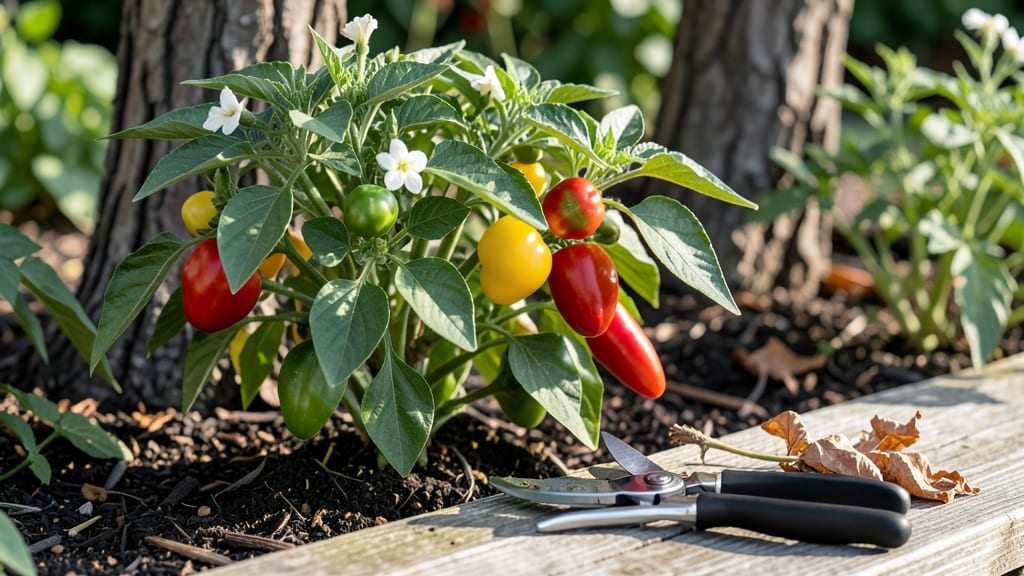
It’s too late to prune pepper plants 🌶️ once they’ve set fruit or when late summer’s heat stresses their growth, but the exact deadline depends on your variety and location.
Pruning pepper plants at the wrong time can stunt growth, reduce yields, or even kill your plants—so knowing the exact deadlines for each variety is crucial for a thriving harvest.
For bell peppers in Zone 6a, the cutoff is usually mid-August, while hot peppers like jalapeños can handle light trimming until early September. But wait too long, and you risk inviting pests or weakening the plant just as it’s gearing up for its final push of flavor-packed peppers.
Below, I’ll break down the critical deadlines by variety, how to spot when it’s too late, and whether a last-minute trim can still save your harvest before frost hits.
Critical pruning deadlines for pepper plants by variety type
Pruning pepper plants correctly boosts yields and plant health, but timing is everything. Miss the optimal window, and you risk stunted growth or even plant death.
Different varieties have unique deadlines—bell peppers are more forgiving than habaneros, for example. Understanding these deadlines helps you avoid costly mistakes and maximize your harvest.
For most pepper varieties, the last safe pruning window is 6-8 weeks before your first frost. This gives plants enough time to recover before cold weather sets in. However, heirloom varieties often need earlier pruning due to their slower growth rates.
Late pruning can stress plants, making them vulnerable to disease and pests as they enter their final growth phase.
Below is a breakdown of critical pruning deadlines for common pepper varieties, including late-season risks and recovery potential. Use this as your guide to avoid pruning too late and ensure a bountiful harvest.
If you’re growing bell peppers, you have the most flexibility with pruning. These varieties can handle late pruning up to 6 weeks before frost without severe consequences. However, jalapeños and habaneros are far less forgiving.
Pruning these varieties too late can lead to flower drop and poor fruit development, as they rely on early-season energy to produce peppers.
For heirloom varieties, pruning must start early—4-6 weeks after transplanting—to avoid stressing the plant. These varieties often have longer maturation times and need consistent care. Late pruning can leave them vulnerable to fungal diseases like powdery mildew, which thrive in stressed plants.
One common mistake is pruning too late in the season to "shape" plants for aesthetics. While it might look better, this reduces yield and weakens the plant.
Instead, focus on removing diseased leaves or dead branches after the critical pruning window has passed. This minimal approach keeps plants healthy without causing additional stress.
If you’ve already missed the ideal pruning window, don’t panic. While late pruning won’t boost yields, light pruning for maintenance can still help. Remove any yellow or diseased leaves immediately to prevent the spread of issues.
Avoid heavy pruning, as this can shock the plant and reduce its ability to photosynthesize before winter.
For gardeners in warmer climates (USDA Zones 9-11), the deadlines shift later. In these areas, you can prune jalapeños and habaneros up to 8 weeks before frost, but always monitor plant health closely.
If your pepper plants show signs of stress after pruning, like wilting or yellowing leaves, stop pruning immediately and focus on hydration and nutrient support.
Remember, the goal of pruning is to encourage growth and fruit production, not to reshape plants for looks. By sticking to these deadlines, you’ll give your pepper plants the best chance to thrive and produce a bountiful harvest before the first frost hits.
Signs your pepper plants are past the pruning window
If you’ve ever hesitated about pruning your pepper plants and wondered, "When is it too late?"—you’re not alone. Pruning at the wrong stage can trigger stress responses that stunt growth or even halt fruit production.
The key is recognizing visual and growth-stage cues that signal the pruning window has closed.
For most pepper varieties, the ideal pruning window ends when flower buds begin forming. Once those tiny buds appear, your plant’s energy shifts from vegetative growth to fruit development. Pruning after this stage can reduce yields or delay harvests, leaving you with fewer peppers to enjoy.
Another critical sign is when pepper fruits start setting on the plant. If you notice small peppers forming—even if they’re still green—your plant is prioritizing energy for harvest. Cutting back at this point can cause the plant to abort existing flowers or drop newly formed fruit.
🌶️ Stress responses like yellowing leaves, stunted stems, or excessive wilting after pruning are red flags. These reactions indicate your plant is already struggling to balance growth and fruit production, making late pruning counterproductive.
⚠️ Too Late to Prune: Critical Warning Signs
1. Flower buds appear: Tiny white or green buds signal the plant is shifting to fruit production. Pruning now can reduce yields by 30-50%.
2. Peppers are setting: Even small green peppers mean the plant’s energy is focused on harvest. Late pruning can cause fruit drop or stunted growth.
3. Stress reactions: Yellowing leaves, wilting, or slow growth after pruning mean the plant is struggling to recover. Stop pruning immediately.
4. Late-season varieties: For habaneros or jalapeños, the window closes earlier (6-8 weeks before first frost). Prune too late, and you risk losing the entire harvest.
Regional differences also play a role. In warmer climates (USDA Zones 9-11), pepper plants may continue growing later into fall, extending the pruning window slightly. However, once nighttime temperatures drop below 60°F, growth slows dramatically, and pruning risks are higher.
If you’re unsure whether your plant is past the pruning window, check for new leaf growth at the tips of branches. Healthy, vibrant leaves indicate the plant can still handle light pruning. Dull, slow-growing leaves mean the plant is already stressed and should be left alone.
For heirloom varieties or long-season peppers, monitor the plant’s overall health closely. If it’s thriving but nearing the end of the growing season, a minimalist pruning approach (removing only diseased or damaged branches) may still be safe—but avoid heavy cuts.