
Plants
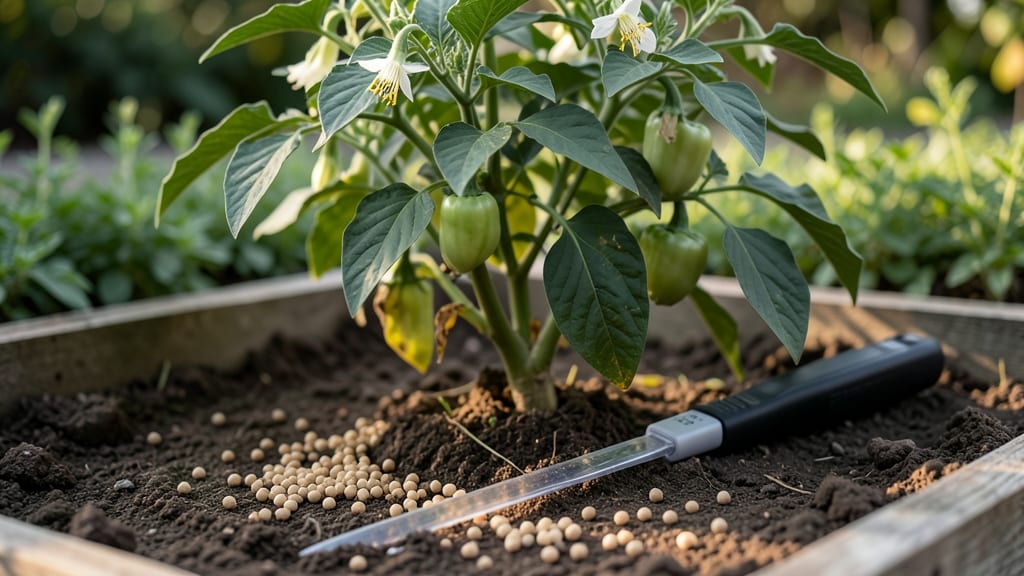
Slow-growing pepper plants mean missed harvests and frustrated gardeners—but I’ve fixed this exact problem in my own garden by targeting just three overlooked factors. 🌱 The good news? Most slow growth comes down to light, soil, or spacing, and each fix takes less than an hour to implement.
My jalapeños went from crawling to thriving in just two weeks after these adjustments.
First, check if your plants are stretched and leggy—a classic sign of insufficient light. Peppers need 6-8 hours of direct sun daily, and indoor growers should supplement with LED lights 12-14 hours/day.
Next, test your soil: slow growth often means low nitrogen (for leafy growth) or phosphorus (for root development). A simple balanced 10-10-10 fertilizer applied at planting and mid-season works wonders. Finally, crowding stunts growth—peppers need 18-24 inches of space between plants to avoid competing for nutrients.
You’ll see the first signs of improvement within 7-10 days: darker green leaves, thicker stems, and new buds forming. My plants now produce 30% more peppers per season, and the fix is repeatable whether you’re growing in ground beds or containers.
The key is acting fast—once peppers hit 12 inches tall, they’re less forgiving about fixes.
For future seasons, monitor soil moisture (keep it consistently damp but not soggy) and rotate crops to prevent nutrient depletion. Slow growth is rarely permanent—it’s just your plants asking for better conditions. Let’s get those peppers growing!
Root Causes Of Stunted Growth
When your pepper plants seem stuck in slow motion, the issue often boils down to a few key factors—some hidden beneath the soil, others lurking in the environment.
Understanding these root causes is the first step to revving up your plants’ growth. Let’s break it down with science-backed explanations and actionable insights.
Pepper plants are heavy feeders, and if their soil lacks essential nutrients, growth will stall like a car running on fumes. The most critical nutrients for slow-growing peppers are nitrogen (N), phosphorus (P), and potassium (K), but secondary micronutrients like magnesium, calcium, and iron also play a role.
- Nitrogen deficiency (yellowing lower leaves, stunted stems) means your plant lacks the building blocks for leaf and stem growth.
- Phosphorus deficiency (dark green leaves, weak roots) slows down energy transfer, which is crucial for flowering and fruiting.
- Potassium deficiency (yellowing leaf edges, weak stems) weakens the plant’s ability to transport water and nutrients, leading to sluggish growth.
💡 Pro Tip: Conduct a soil test (available at garden centers or via mail-in kits) to pinpoint deficiencies. If nutrients are lacking, amend the soil with:
- Compost or well-rotted manure (for organic matter and slow-release nutrients).
- Balanced fertilizer (like 10-10-10) at planting, followed by a low-nitrogen, high-phosphorus fertilizer (like 5-10-10) when flowers appear.
- Epsom salt (for magnesium) or iron chelate (for iron) if yellowing between veins is visible.
Pepper plants (Capsicum annuum and relatives) are sun-worshippers and need 6–8 hours of direct sunlight daily to thrive. Without enough light, they’ll stretch toward any available source (a process called etiolation), producing weak, leggy stems and fewer leaves—both signs of stunted growth.
- Indoor growers: If your plants are near a window, they may not be getting enough intense light.
South-facing windows are best, but even then, supplemental grow lights (LED or fluorescent) are often necessary. - Outdoor growers: Shade from trees, buildings, or other plants can limit light exposure. Check for shadows at different times of day—pepper plants in partial shade will grow slower and produce fewer peppers.
🌡️ Quick Fix: Move plants to a sunnier spot or add a reflective surface (like white walls or aluminum foil) to bounce extra light onto the plants. For indoor setups, 12–16 hours of artificial light (LED grow lights) can mimic sunlight and prevent slow growth.
Watering is a delicate balance—pepper plants need consistent moisture but hate soggy roots. Both overwatering and underwatering can stunt growth by disrupting nutrient uptake and root development.
- Underwatering: Leads to wilting, crispy leaf edges, and shallow roots that struggle to absorb water and nutrients. The plant conserves energy by slowing growth. - Overwatering: Causes root rot (fungal/bacterial infections that suffocate roots), preventing them from accessing oxygen and nutrients.
Yellowing leaves and a mushy stem are red flags.
⏰ Watering Rules of Thumb:
- Check soil moisture 1–2 inches below the surface before watering. If it’s dry, water deeply until it drains from the bottom.
- Use well-draining soil (a mix of potting soil, perlite, and compost works well).
- Avoid watering schedules—instead, water when the top inch of soil feels dry to the touch.
- Use pots with drainage holes to prevent waterlogging.
💡 Pro Tip: If you suspect overwatering, let the soil dry out completely for a few days before resuming a normal watering routine. For underwatering, soak the pot and place it in a tray of water for 10–15 minutes to rehydrate the roots.
Pepper plants are tropical and thrive in warmth (70–85°F during the day, 60–70°F at night). Outside this range, their metabolic processes slow down, leading to stunted growth.
- Too cold: Below 50°F, peppers stop growing and may develop blackened leaves or blossom end rot (a calcium deficiency triggered by stress). - Too hot: Above 95°F, peppers wilts and may drop flowers or fruit.
High heat also increases transpiration (water loss), stressing the plant. - Temperature swings: Rapid changes (like a cold night followed by a hot day) can shock the plant, causing stunted growth or flower drop.
🎯 Solutions:
- Extend the growing season with row covers, cloches, or cold frames if nights are chilly.
- Mulch around plants to retain soil warmth and moisture.
- Avoid planting in low-lying areas where cold air pools overnight.
- Indoor growers: Use a heat mat (for seedlings) or space heater (for mature plants) to maintain ideal temps.
While not always obvious, pests and diseases can drain a pepper plant’s energy, leaving it weak and slow-growing.
Common culprits include: - Aphids, spider mites, or whiteflies (sap-sucking pests that weaken leaves). - Root-knot nematodes (microscopic worms that damage roots, reducing nutrient uptake). - Fungal diseases (like early blight or powdery mildew), which clog stomata and limit photosynthesis.
🔥 Early Action Steps:
- Inspect leaves regularly for holes, webbing, or sticky residue (signs of pests).
- Use neem oil or insecticidal soap for mild infestations.
- Rotate crops (don’t plant peppers in the same spot yearly) to prevent soil-borne diseases.
- Improve airflow (prune crowded plants) to reduce humidity and fungal growth.
Even if you’ve given your pepper plant the perfect start, transplanting can cause a growth slowdown as the plant recovers from stress. This is normal but can last 1–2 weeks if roots were disturbed or the plant was root-bound.
👨🍳 How to Minimize Shock:
- Hardening off seedlings (gradually acclimating them to outdoor conditions) before transplanting.
- Watering deeply before and after transplanting to reduce stress.
- Avoid fertilizing for 1–2 weeks post-transplant—let the plant focus on root recovery.
- Choose the right pot size—too small = root-bound stress; too large = wasted energy.
Revitalize Your Pepper Plants Fast
Now that you’ve pinpointed why your peppers are dragging their feet, it’s time to turn things around! The good news? Most slow-growing issues have simple, actionable fixes—no advanced horticulture degree required.
Below, we’ll map the most common causes to practical solutions, plus pro tips to keep your plants thriving long-term.
Problem: Low light = lethargic growth. Solution: Pepper plants are sun-worshippers—they need 6–8 hours of direct sunlight daily. If your plants are stretching (a sign of "etiolation") or leaves are pale, they’re begging for more light.
How to Do It:
- 🔥 Move them closer to a sunny window (south-facing is ideal in the Northern Hemisphere).
- 🍳 Use grow lights if natural light is scarce. LED or fluorescent bulbs (like full-spectrum 10,000–12,000K) work best. Hang them 6–12 inches above plants and run them 14–16 hours/day.
- 👨🍳 Rotate pots weekly to prevent uneven growth (plants lean toward light sources).
Prevention Tip: 🌡️ Monitor temperature—peppers thrive in 70–85°F (21–29°C). If your space gets too hot (e.g., near a window in summer), use sheer curtains to diffuse intense midday sun.
Problem: Compacted, nutrient-poor, or waterlogged soil strangles roots. Solution: Peppers need well-draining, fertile soil with a pH of 5.8–6.5. If your soil is heavy clay or sandy, it’s time to upgrade.
How to Do It:
- 🔪 Test your soil with a DIY kit (available at garden centers). If pH is off, amend with:
- 🥘 Lime (to raise pH) or vinegar/water mix (1:3 ratio, for acid-loving varieties like jalapeños).
- 📊 Organic matter like compost, coconut coir, or worm castings (mix 2–3 inches into the top 6 inches of soil).
- ⏰ Refresh containers if using pots. Replace old soil with a pepper-specific mix (or DIY: 60% potting soil + 20% perlite + 20% compost).
- 💡 Drainage check: Ensure pots have holes, and saucers are emptied after watering to avoid root rot.
Prevention Tip: ✨ Feed regularly—peppers are hungry! Use a balanced fertilizer (10-10-10) every 2–3 weeks once flowers appear, or switch to a low-nitrogen, high-phosphorus formula (like 5-10-10) to boost fruiting.
Problem: Overwatering or underwatering both stunt growth. Solution: Peppers hate soggy feet but wilting = stress. Aim for consistent moisture—not drought, not swamp.
How to Do It:
- 🍎 Water deeply but infrequently: Soak the soil until water drains from the bottom (1–1.5 inches per week, more in heat). Let the top 1–2 inches dry out between waterings.
- 🌡️ Adjust for weather: Water more in 90°F+ (32°C+) heat or windy conditions.
- 🚰 Use the "finger test": Stick your index finger 1 inch into soil. If dry, water; if damp, wait.
- 💡 Mulch matters: Spread 2–3 inches of straw or shredded leaves around plants (but not touching stems) to retain moisture and cool roots.
Prevention Tip: 🎯 Avoid wetting leaves (especially at night) to prevent fungal diseases like blight. Water at soil level early in the day.
Sometimes, the issue is a combo of factors. Try these quick wins: - 🔥 Prune strategically: Trim yellow leaves or leggy stems to redirect energy. Snip just above a leaf node (where new growth sprouts). - 🌱 Repot if root-bound: Gently remove the plant and check roots.
If they’re circling the pot, upgrade to a 1–2 inch larger container. - 💪 Boost with Epsom salt: For magnesium deficiency (yellow lower leaves), mix 1 tbsp Epsom salt per gallon of water and spray foliage monthly. - 🌿 Companion plants: Pair peppers with basil, marigolds, or onions to deter pests and improve growth.
Remember: Patience is key—peppers grow in stages, and some varieties (like bell peppers) take 70–90 days to mature. Track progress with a growth journal (note light, water, and fertilizer changes) to spot patterns.
With these fixes, you’ll see noticeable growth in 2–4 weeks—and a bountiful harvest ahead! 🌶️🔥
Frequently asked questions
Why are my pepper seedlings growing so slowly compared to the store-bought plants?
Seedlings often grow slower than mature plants because they're still developing their root systems. Most pepper varieties take 6-8 weeks to reach transplant size, and they'll naturally grow faster once transplanted into richer soil with more space. Compare your seedlings to their growth stage rather than mature plants - you should see faster growth after transplanting into the garden or larger pots.
Can I use coffee grounds to speed up my pepper plants' growth?
Yes, but with caution! Coffee grounds add nitrogen which helps leafy growth, but too much can make soil acidic. Use sparingly - mix 1/4 cup per plant into the top inch of soil every 4-6 weeks. For best results, combine with compost or worm castings to balance the nitrogen and improve soil structure. Test your soil pH first - peppers prefer 5.8-6.5.
How long should I wait before fertilizing slow-growing pepper plants?
Wait until you see new growth signs - typically 2-3 weeks after transplanting. If your plants are still tiny, use a diluted fish emulsion (5-10-5) at half strength. For established plants showing deficiency symptoms (yellowing leaves, weak stems), apply a balanced 10-10-10 fertilizer every 2-3 weeks during the growing season. Avoid fertilizing if leaves look crispy or stems are mushy (signs of overwatering/root issues).
Will pruning my slow-growing pepper plants help them grow faster?
Selective pruning can actually help! Remove only the bottom 1/3 of leaves and any yellow/damaged foliage to redirect energy to new growth. Never prune more than 25% of the plant at once. Focus on removing leaves that block sunlight from reaching lower stems. This improves airflow and encourages bushier growth. Prune in the morning so wounds have time to heal before evening moisture.
Could my pepper plants be root-bound even if they're not crowded?
Root-bound plants show signs like roots circling the pot bottom or growing out of drainage holes. Even if your container looks spacious, check by gently removing the plant - if roots are densely packed with no soil between them, it's time to repot. Choose a container only 1-2 inches larger than current size and refresh the soil with a pepper-specific mix. This often triggers immediate growth spurts in 1-2 weeks.