
Plants
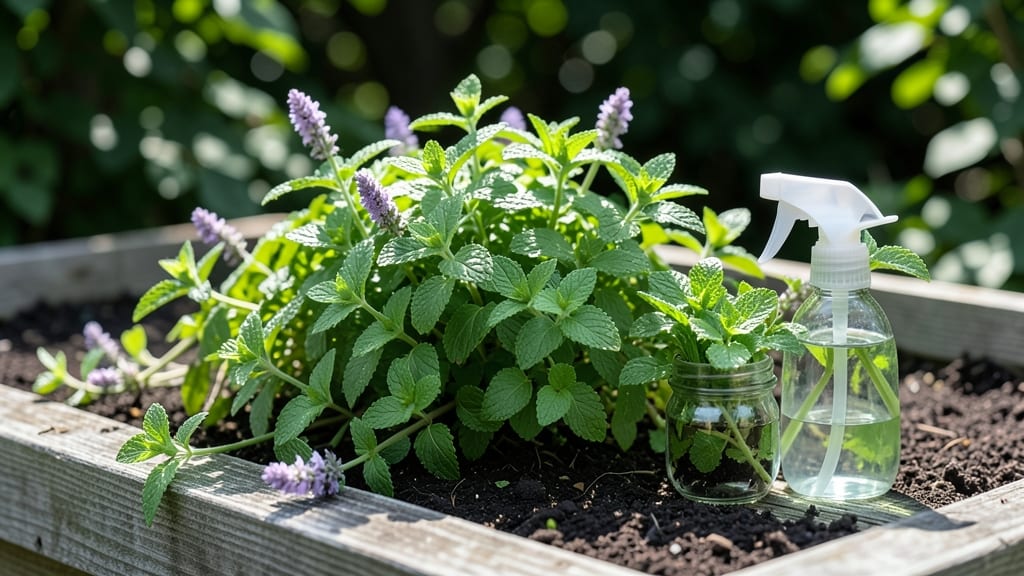
A peppermint spray for plants can turn limp, sad-looking foliage into vibrant green within days—no fancy chemicals needed. 🌿 I’ve used this trick after forgetting to water my snake plants (oops) and watched them perk up like nothing happened.
The secret? Peppermint oil’s natural properties—it revives wilting leaves while keeping pests at bay.
This spray works best on houseplants like pothos, ferns, and succulents, but it’s also a game-changer for outdoor herbs and veggies. The recipe takes 5 minutes and uses ingredients you likely already have: water, peppermint oil, and a spray bottle.
No harsh chemicals, just plant-friendly power. Just be careful—dilution is key to avoid burning tender leaves.
You’ll notice results after the first application: leaves stand taller, edges crisp up, and even yellowing foliage can recover. The scent alone deters spider mites and aphids, so you’re doubling down on plant care. For organic gardeners, this is a foolproof addition to your pest-control toolkit—no synthetic sprays required.
Use it once a week for wilting issues or monthly as a preventive spray. Test on one leaf first, and avoid direct sun after spraying. Perfect for anyone tired of sad-looking plants or chemical-heavy solutions—your greenery will thank you!
Root Causes Of Plant Stress
When your plants start looking wilted or lackluster, peppermint spray can feel like a magical fix—but understanding why they’re struggling in the first place helps you prevent future issues. Below are the most common culprits behind plant stress, backed by science and actionable insights.
Fungal pathogens like Botrytis (gray mold) or bacterial diseases such as Pseudomonas can invade plant tissues, clogging xylem vessels and disrupting water flow. This leads to wilting, even when soil moisture is adequate.
🔬 How it works: Fungal hyphae or bacterial biofilms physically block water transport, while toxins (e.g., fusaric acid from Fusarium) trigger cellular dehydration. Peppermint’s menthol and eugenol act as natural antifungals, breaking down these barriers.
💡 Pro Tip: Check for dark spots, powdery growth, or slimy stems—classic infection signs. Isolate affected plants immediately to prevent spread.
While underwatering causes wilting, overwatering is equally damaging. Excess moisture suffocates roots by displacing oxygen, leading to anaerobic stress and root rot (Phytophthora or Pythium). Even well-draining soil can fail if water pools at the bottom of pots.
🔬 Science behind it: Roots rely on oxygen for respiration. When submerged, they switch to inefficient fermentation, producing ethanol—a plant toxin. Peppermint spray’s salicylic acid (a plant hormone) helps stimulate root recovery by boosting antioxidant defenses.
💡 Fix It: Test drainage by pouring water into a pot—if it drains in <10 minutes, it’s likely adequate. Add perlite or orchid bark to amend heavy soils.
Sap-sucking pests like aphids, spider mites, or whiteflies pierce plant cells to feed, creating wounds that exude sticky honeydew. This attracts sooty mold, further blocking sunlight and clogging stomata (pores). As a result, plants wilt from osmotic stress—water leaks out faster than it’s absorbed.
🔬 Key mechanism: Pests inject toxins (e.g., saliva proteins) that trigger ethylene production—a stress hormone accelerating wilting. Peppermint’s menthone disrupts pest nervous systems, while its volatile oils deter future infestations.
💡 Spot & Stop: Shake plants over a white sheet to check for tiny pests. Neem oil + peppermint spray combo works synergistically against soft-bodied insects.
Sudden temperature swings (e.g., cold drafts near AC vents or hot afternoon sun) cause physiological drought. Plants close stomata to retain moisture, but this halts photosynthesis, leading to wilting. Light stress (too much direct sun) also triggers photoinhibition, where chlorophyll breaks down.
🔬 Cellular impact: Cold stress forms ice crystals in plant tissues, rupturing cell membranes. Heat stress denatures proteins, including rubisco (the enzyme for CO₂ fixation). Peppermint’s rosmarinic acid stabilizes cell membranes, while its cooling menthol sensation mimics a protective "chill response."
💡 Adjust Environments:
Problem
Solution
Cold drafts
Move plants 3+ feet from windows/doors; use thermal curtains.
Heat stress
Provide 30% shade cloth or rotate pots every 2 weeks for even light.
A lack of macronutrients (nitrogen, phosphorus, potassium) or micronutrients (magnesium, iron) weakens cell turgor pressure—the "plumpness" that keeps leaves upright. For example:
- Nitrogen deficiency: Pale, yellowing leaves (chlorosis) from poor protein synthesis.
- Potassium deficiency: Weak stems and wilting edges due to impaired water regulation.
- Magnesium deficiency: Interveinal chlorosis (yellowing between veins) from disrupted chlorophyll.
🔬 Biochemical link: Nutrients like potassium activate aquaporins—proteins that regulate water flow. Without them, cells dehydrate even in moist soil. Peppermint’s organic compounds (e.g., limonene) enhance nutrient uptake by improving root microbiome activity.
💡 Diagnose & Supplement:
- Test soil pH (ideal: 6.0–7.0 for most plants). Adjust with lime (raise pH) or sulfur (lower pH).
- Use a balanced fertilizer (e.g., 10-10-10 NPK) or targeted amendments like Epsom salt (magnesium sulfate) for yellowing.
Quick Fixes for Revitalizing Plants
Reviving wilted or struggling plants with peppermint spray is simple, but knowing why your plants need a boost helps you apply the right solution. Below, we’ve mapped common plant issues to practical fixes—plus prevention tips to keep your greenery thriving.
1. Wilting or Drooping Leaves
Cause: Overwatering, underwatering, or root stress. Solution:
- 💧 Step 1: Check Soil Moisture Stick your finger 1–2 inches into the soil. If it’s bone-dry, water deeply until it drains from the bottom. If soggy, let it dry out for 2–3 days before rewatering.
- 🍃 Step 2: Apply Peppermint Spray Mix 1 cup water + 10 drops peppermint essential oil in a spray bottle. Lightly mist the leaves (avoid oversaturating). The menthol stimulates cell regeneration and reduces stress.
- 🌿 Step 3: Improve Airflow Move the plant to a brighter spot with indirect light and ensure good air circulation (e.g., near a fan but not in a draft).
💡 Prevention Tip: Use a moisture meter to monitor soil health. For potted plants, ensure pots have drainage holes to prevent root rot.
2. Yellowing or Brown Leaf Edges
Cause: Overwatering, nutrient deficiency, or salt buildup from tap water. Solution:
- 🚰 Step 1: Flush the Soil Run water through the pot for 1–2 minutes to leach out excess salts. Repeat weekly if using tap water.
- 🌿 Step 2: Feed with Peppermint Tea Brew strong peppermint tea (no sugar), cool it, and use it to water the plant. The antioxidants boost chlorophyll production, reversing yellowing.
- 🌱 Step 3: Adjust Watering Let the top inch of soil dry between waterings. Use rainwater or filtered water to avoid chlorine buildup.
💡 Prevention Tip: Add a handful of perlite or coconut coir to potting mix to improve drainage and aeration.
3. Pest Infestations (Aphids, Spider Mites)
Cause: Weak plants attract pests; synthetic pesticides harm beneficial insects. Solution: - 🛡️ Step 1: Spray Peppermint-Pepper Solution Mix 1 tsp peppermint oil + 1 tsp cayenne pepper + 1 quart water in a spray bottle.
Shake well and spray directly on pests. Reapply every 3–4 days.
- 🌿 Step 2: Wipe Leaves Use a damp cloth to remove eggs and debris from undersides of leaves.
- 🐞 Step 3: Introduce Beneficial Insects Release ladybugs or lacewings to naturally control pests.
💡 Prevention Tip: Inspect new plants for pests before bringing them indoors. Quarantine them for 2 weeks if needed.
4. Slow Growth or Leggy Stems
Cause: Lack of light, poor nutrition, or root-bound plants. Solution:
- ☀️ Step 1: Optimize Light Move the plant to a south- or west-facing window or use a grow light 6–8 inches above the plant for 12–14 hours daily.
- 🍃 Step 2: Fertilize with Peppermint-Infused Compost Add 5 drops peppermint oil to 1 gallon of compost tea. Water the plant with this mixture monthly for a nutrient boost.
- 🌱 Step 3: Repot if Root-Bound Gently remove the plant and check roots. If circling or packed, repot into a container 2 inches larger with fresh, well-draining soil.
💡 Prevention Tip: Rotate pots weekly to ensure even light exposure. Use slow-release fertilizer granules for steady nutrition.
5. Fungal Issues (Powdery Mildew, Rust)
Cause: High humidity, poor airflow, or overwatering. Solution:
- 🌬️ Step 1: Improve Ventilation Space plants apart and use a small fan on low setting near them to reduce humidity.
- 🍃 Step 2: Spray Fungal-Fighting Mix Combine 1 tbsp baking soda + 1 tsp peppermint oil + 1 quart water. Spray affected areas until damp. Repeat every 5–7 days.
- ✂️ Step 3: Prune Damaged Leaves Remove severely infected leaves with sterilized scissors to prevent spread.
💡 Prevention Tip: Water plants early in the day so foliage dries quickly. Avoid overhead watering.
- 📅 Rotate Your Routine: Alternate peppermint spray with neem oil or compost tea to prevent resistance. - 🌡️ Monitor Temperature: Keep plants in 65–75°F ranges; extreme heat/cold stresses them. - 🎯 Test Soil pH: Use a kit to ensure it’s 6.0–7.0 (ideal for most plants).
Adjust with lime or sulfur if needed.
By addressing the root cause (literally!) and using peppermint spray as a natural, multi-purpose remedy, your plants will bounce back faster—and stay healthier longer. 🌱✨
Frequently asked questions
Can I use peppermint spray on all types of plants?
Peppermint spray works best on most houseplants like pothos, ferns, and succulents, as well as outdoor herbs and vegetables. However, avoid using it on mint family plants (like basil or oregano) since peppermint oil can stunt their growth. Always test on one leaf first to check for sensitivity.
How often should I apply peppermint spray?
For wilting or stressed plants, apply the spray once a week until they perk up. As a preventive measure, use it monthly during growing seasons. Never apply more than twice in a 7-day period—overuse can damage tender leaves.
Will peppermint spray kill beneficial insects like ladybugs?
When used correctly, peppermint spray is generally safe for beneficial insects. However, the strong scent can temporarily repel them. For extra protection, apply the spray in the evening or combine it with neem oil (which is ladybug-friendly). Always avoid spraying flowers where pollinators are active.
Can I make peppermint spray without essential oil?
Yes! You can use fresh peppermint leaves instead. Steep 1 cup of fresh leaves in 1 quart of hot water for 30 minutes, then strain and use as a spray. This version is gentler but may need refreshing more often. Store in the fridge for up to 5 days.
Why does my plant still look sad after using peppermint spray?
If your plant isn’t improving, check for root issues (like rot) or severe pest infestations first. Peppermint spray helps with mild stress and pests, but chronic problems may need deeper solutions like repotting or stronger treatments. Also, ensure your plant has proper light and drainage—these are often the real culprits.