
Blooming
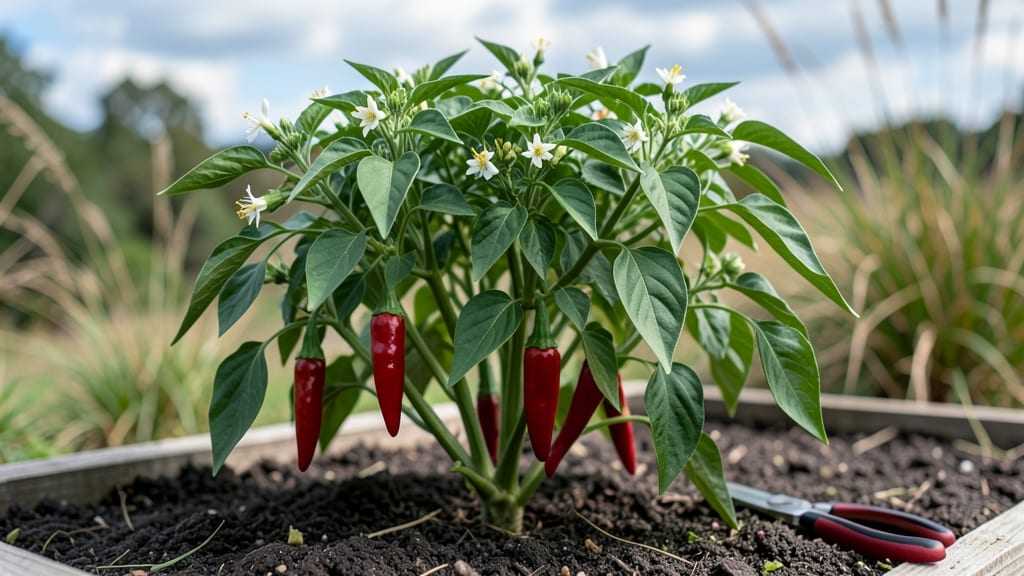
Growing red long hot peppers like Carolina Reapers or Habaneros is my secret weapon for turning a 4-foot corner into a fiery harvest. 🌶️ The key isn’t just heat—it’s how these peppers climb, saving space while packing serious spice.
I’ve grown them in containers, along fences, and even on trellises, and every time, the plants reward me with pound after pound of fruit that outspice anything you’ll find in stores.
Start with well-draining soil mixed with compost—these peppers hate soggy roots—and give them full sun (6+ hours daily). A 6-foot pole or sturdy trellis lets them grow vertically, turning what could be a sprawling mess into a tidy, high-yielding plant.
Water consistently but avoid wetting the leaves (fungus is their kryptonite), and fertilize lightly every 4-6 weeks with a balanced organic feed. Prune aggressively to focus energy on fruit, not foliage.
By midsummer, you’ll see the first peppers forming—small, green, and innocent-looking. But wait until they turn deep red and plump, then harvest before they get too soft. The heat builds as they ripen, so patience pays off.
A single pepper can clock 100,000+ Scoville units—enough to make your mouth sing (and your neighbors ask for seeds).
Troubleshoot with these tricks: yellow leaves? Check your watering. White spots? Spray with neem oil. And if your peppers stay small, they need more sun or nutrients. Pole-trained plants produce 30-50% more fruit than bush varieties, so don’t skip the support. Ready to grow fire in your garden?
📚 In This Guide
- What you need
- Instructions
- Tips and common mistakes
- Wrapping up and next steps
What you need
- ● Seeds or seedlings: 2–5 Capsicum annuum (e.g., 'Hungarian Wax,' 'Red Cherry,' or 'Long Red Cayenne')—choose heat-tolerant varieties for best results.
- ● Pole-training structure: 1–2 bamboo stakes (6–8 ft tall) or a trellis net for vertical growth.
- ● Potting mix: 5–10 gallons of well-draining, organic potting soil (amend with perlite or coconut coir if needed).
- ● Containers (if not in-ground): 5-gallon fabric pots or raised beds (at least 12" deep).
- ● Fertilizer: Balanced organic fertilizer (10-10-10) or compost tea for nutrient-rich soil.
- ● Mulch: Straw or shredded leaves to retain moisture and suppress weeds.
- ● Gloves: Heavy-duty gardening gloves (peppers can be spicy—handle seeds with care!).
- ● Trowel or transplant tool: For planting seeds/seedlings gently.
- ● Watering can or hose with nozzle: Drip irrigation works best for consistent moisture.
- ○ Pruning shears: For trimming suckers and shaping plants (optional but helpful).
- ● Sunlight access: 6+ hours of full sun daily (south-facing spot ideal).
- ○ pH test kit (optional): Aim for soil pH 6.0–6.8 for optimal growth.
- ● Cage or tomato stakes for extra support.
- ● Fish emulsion or seaweed extract for a mid-season nutrient boost.
- ● Shade cloth (30–50%) for hot climates to prevent stress.
- ● Pepper-specific fungicide (e.g., neem oil) if humidity is high.
Step-by-Step instructions for growing red long hot peppers vertically
Here’s how to coax these fiery beauties into a compact, high-yielding vertical garden—no sprawling vines needed.
🪴 Step 1: Set Up Your Pole System
Start with a 5-foot bamboo stake or sturdy trellis for each plant. Drive it 6 inches deep into the soil at planting time so it doesn’t topple as vines thicken. I like to tie 3-4 horizontal branches at 12-inch intervals using soft twine—this creates natural handholds for vines to cling. Space your stakes 18 inches apart in rows to allow airflow between plants.
If you’re using a cage instead, skip the horizontal branches but still plant the cage deeply (half its height buried) for stability. The key here is prevention: a wobbly pole will snap when vines hit their peak weight. Test the setup by tugging gently—if it budges, add another stake or secure it with stakes at a 45° angle.
🌱 Step 2: Plant and Train Early
Transplant your red long hot pepper seedlings when they’ve developed 4-5 true leaves and the soil is 60°F or warmer. Bury the stem up to the first set of leaves—this encourages deeper root growth. Immediately tie the main stem to the lowest branch of your pole using a soft plant tie (never wire—it cuts into stems).
Here’s the trick: prune all side shoots until the plant reaches the second horizontal branch. This forces energy into upward growth rather than bushy sprawl. You’ll see new leaves forming at the axils (where leaves meet the stem)—these are your future fruiting points. Watch for tiny white flowers after 6-8 weeks—this signals your plant is ready to set fruit.
☀️ Step 3: Manage Light and Heat for Maximum Heat
Red long hot peppers need full sun (8+ hours daily) and consistent warmth (70-85°F) to develop their signature heat. If your climate dips below 55°F at night, use a frost cloth or move pots to a sheltered spot. I’ve grown these successfully in Zone 8a by using black plastic mulch to warm the soil—it raises ground temps by 5-10°F and speeds up ripening.
Rotate the pole quarter-turn weekly so the plant grows evenly toward the sun. You’ll notice one side of the plant leaning—this is your cue to adjust. Leggy growth? Your light is insufficient. Purple stems? It’s too cold. Both issues will reduce fruit set, so address them fast. Once flowers appear, hand-pollinate by gently shaking the stems—this boosts fruit production in humid conditions.
💧 Step 4: Water and Fertilize for Long, Hot Peppers
Water deeply once weekly (about 1 gallon per plant) at the base, avoiding the leaves to prevent fungal diseases. Let the top 2 inches of soil dry between waterings—consistent moisture is critical, but soggy roots will rot. I use a soaker hose for precision, keeping the fruit zone (where peppers form) slightly drier than the roots to prevent cracking.
Fertilize every 3-4 weeks with a balanced 10-10-10 formula, cutting back to half-strength once flowers appear. Too much nitrogen now = leafy monsters, not peppers. Look for dark green leaves with minimal yellowing—this means your plant is happy. If leaves curl or drop, you’re overwatering or fertilizing too much. Adjust immediately.
✂️ Step 5: Prune and Harvest for Continuous Production
Once your main stem hits the top of the pole, pinch off the terminal bud (the very top growth point) to encourage lateral branching. This creates more fruiting sites. Remove any suckers (side shoots below the first flower cluster)—they steal energy from your peppers. You’ll see new growth within 7-10 days after pruning, signaling the plant is redirecting energy.
Harvest when peppers reach 12-18 inches long and turn deep red—they won’t get hotter after picking. Use clean pruners to cut stems 1 inch above the fruit to prevent disease entry. Store in a cool, dark place for up to 2 weeks. For continuous harvests, prune lightly every 2 weeks to remove spent fruit and encourage new blooms. I’ve had plants produce for 6 months straight with this method.
Tips & tricks for pole-trained red long hot peppers
Small gardens can still grow big heat with these game-changing strategies for vertical pepper cultivation.
Stability is Everything: In Step 1, don't skimp on depth—those 6 inches buried make all the difference when vines reach their peak weight. I've seen 5-foot stakes topple when planted only 3 inches deep. For extra security, especially in windy areas, add a second stake at a 45° angle to create an "A-frame" support. This prevents the classic "leaning tower of pepper" disaster that happens when plants hit their growth stride. The key is testing your setup before planting: give it a firm tug—if it wobbles, reinforce it immediately.
Pruning Precision: When you reach Step 2 and prune side shoots until the plant hits the second branch, you're not just shaping the plant—you're directing its energy. The axils (those tiny leaf junctions) are where fruit will form, so keep them healthy by removing only the vigorous side shoots below the first flower cluster. I've found that using clean, sharp pruners reduces stress on the plant and prevents disease entry points. And here's a pro move: save those pruned shoots! Root them in water for new plants—it's free propagation.
Heat Management Hacks: Those 70-85°F temperature ranges in Step 3 aren't just numbers—they're the sweet spot for capsaicin development, which gives these peppers their signature heat. In cooler climates, I've had success using clear plastic domes over individual plants during the day to create a mini greenhouse effect, then removing them at night for airflow. For nighttime temps below 55°F, a simple frost cloth draped loosely over the plant (not touching leaves) can make all the difference. And don't forget: black plastic mulch isn't just for soil warming—it also suppresses weeds and retains moisture perfectly.
Harvest Timing: The 12-18 inch length specified in Step 5 is your sweet spot for maximum heat and flavor, but there's an art to knowing when they're truly ready. Run your thumb along the pepper—if it feels firm and the skin is glossy, it's perfect. I harvest mine in the morning when the peppers are fully hydrated, which makes them easier to handle and prevents cracking. And here's a bonus tip: harvest every other day during peak production to encourage continuous flowering. I once had a plant produce 20 peppers in a single season using this method!
Pro Tips for Red Long Hot Pepper
- Small gardens can still grow big heat with these game-changing strategies for vertical pepper cultivation.
- Stability is Everything: In Step 1, don't skimp on depth—those 6 inches buried make all the difference when vines reach their peak weight.
- Pruning Precision: When you reach Step 2 and prune side shoots until the plant hits the second branch, you're not just shaping the plant—you're directing its energy.
Frequently asked questions
Got questions about growing and using red long hot peppers? You’re not alone! Here are some of the most common queries—plus quick, actionable answers to help you cultivate these fiery beauties like a pro.
How long does it take for red long hot peppers to mature and bear fruit?
These peppers are slow but steady—expect flowers around 60–70 days after transplanting, with fruit ripening in another 60–90 days. Patience pays off: full maturity (deep red color) can take up to 120–150 days from seed. Pro tip: Use a grow light indoors if your climate’s short season cuts off outdoor time!
Why are my red long hot peppers turning yellow or dropping before ripening?
Yellowing or early drop-off usually signals stress. Check for:
- Underwatering (soil should stay consistently moist, not soggy).
- Overcrowding (thin plants to 18–24" apart for airflow).
- Nutrient deficiency (feed with balanced fertilizer every 3–4 weeks).
- Temperature swings (ideal range: 70–85°F; protect from frost or heatwaves).
If peppers drop, harvest them green—they’re still edible (just milder)!
Can I grow red long hot peppers in containers, and what size pot do I need?
These vining peppers thrive in 5-gallon pots or larger (minimum 12" diameter). Use a well-draining mix with compost, and train them vertically with a trellis or cage to save space. Just ensure pots get 6+ hours of sun daily—containers dry out faster than garden beds.
How do I know when red long hot peppers are fully ripe and ready to harvest?
Ripe peppers turn a deep, glossy red (like a shishito pepper’s fiery cousin) and feel slightly firm when gently squeezed. For maximum heat, wait until they’re fully colored—green or yellow peppers are milder. Harvest with scissors or pruners to avoid damaging the plant.
What’s the best way to store harvested red long hot peppers?
Store them in a cool, dark place (like a pantry) for 1–2 weeks if uncut. For longer storage:
- Dry them in a dehydrator or oven (170°F for 2–3 hours).
- Freeze whole or sliced (blanch first to preserve texture).
- Ferment in brine or vinegar for sauces.
Pro tip: Avoid refrigerating until fully ripe—cold speeds up spoilage!
Wrapping up and next steps
Growing red long hot peppers in your small garden is a rewarding adventure that brings bold flavors and vibrant color to your kitchen! With the right pole-training technique, even limited space can yield a bountiful harvest.
Whether you're a seasoned gardener or a curious beginner, these fiery beauties are well worth the effort—so roll up your sleeves, get planting, and soon you’ll be savoring homegrown heat! 🌶️🔥
Ready to take the next step? Start small—try a single plant this season, experiment with companion plants, and document your progress. Before you know it, you’ll be sharing jars of homemade red long hot pepper jam (or hot sauce!) with friends. Happy growing! 🌱✨