
Picking
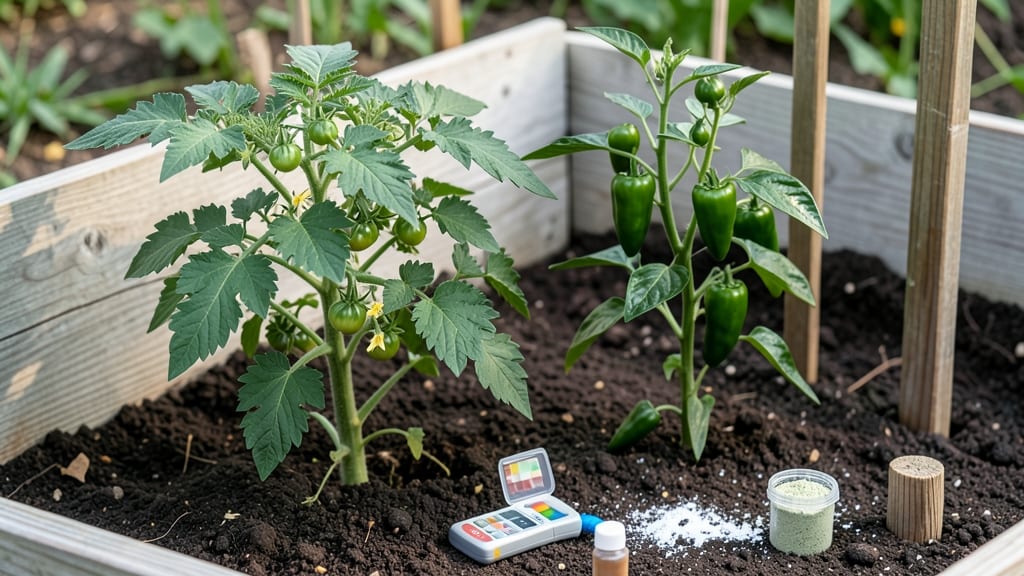
The ideal soil pH for tomatoes and peppers is between 6.0 and 6.8, with tomatoes performing best in slightly acidic soil (6.2–6.5) while peppers adapt to a broader range (5.8–6.5). Regular pH testing and adjustments using lime or sulfur ensure healthy nutrient absorption and vigorous plant growth.
Getting the soil pH right is crucial because it directly impacts how your plants absorb essential nutrients like calcium, magnesium, and iron. 🌱 Tomatoes, for example, struggle with blossom-end rot when calcium uptake drops due to improper pH levels, while peppers may show stunted growth if the soil is too alkaline.
I always recommend testing your soil at the start of the growing season—simple DIY kits are affordable and give you quick results. If your soil is too acidic, a light application of garden lime can help, while elemental sulfur works well to lower pH in alkaline conditions.
For organic gardeners, alternatives like wood ash (to raise pH slightly) or pine needles (to acidify) can be effective, though they require careful monitoring. The key is consistency—small, gradual adjustments work better than drastic changes, which can harm beneficial soil microbes.
Timing matters too: amend your soil in early spring or fall, giving it time to integrate before planting season.
💡 In This Article
- How Soil pH Affects Tomato and Pepper Nutrient Absorption
- Step-by-Step Soil pH Adjustment for Tomato and Pepper Gardens
How soil pH affects tomato and pepper nutrient absorption
The pH level of your soil acts like a gatekeeper for nutrients, determining which ones your tomato and pepper plants can access.
At the ideal range of 6.0–6.8, these plants can efficiently absorb critical minerals like calcium, magnesium, and iron—nutrients that fuel everything from leaf growth to fruit development. 🌱 For tomatoes, the slightly acidic range of 6.2–6.5 maximizes calcium uptake, preventing that dreaded blossom-end rot (a calcium deficiency that turns fruit bottoms mushy).
Peppers, meanwhile, handle a broader range (5.8–6.5) because their root systems are more adaptable, but they still need iron and zinc for vibrant foliage and robust stems.
Here’s where it gets fascinating: soil pH alters the chemical form of nutrients, making some available while locking others away. For example, at pH 5.5, iron becomes highly soluble—but so do aluminum and manganese, which can become toxic in excess.
Conversely, at pH 7.5, phosphorus binds tightly to soil particles, starving your plants even if it’s present. Tomatoes, with their delicate calcium needs, are particularly sensitive to these shifts, while peppers can tolerate minor fluctuations without immediate stress.
The root zone’s acidity also affects microbial activity; beneficial bacteria thrive in the 6.0–7.0 range, breaking down organic matter into plant-available nutrients.
When pH strays from the ideal, you’ll see telltale signs in your plants. Tomatoes grown in pH 7.0+ soil often develop yellowing leaves (iron chlorosis) because the iron becomes chemically "locked up."
Peppers, on the other hand, might show stunted growth or purplish stems when zinc or phosphorus is scarce due to high pH. The key is to monitor your soil’s pH annually, especially if you’ve amended it before—organic matter decomposes and alters pH over time.
A simple DIY test kit (costing around $10) can reveal whether your soil is leaning too acidic or alkaline, giving you a head start on adjustments.
What most gardeners overlook is how pH interacts with soil texture. Sandy soils drain quickly, so nutrients wash away faster in acidic conditions, while clay soils hold onto nutrients but may become compacted if pH is off.
For instance, in loamy soil (the gold standard for tomatoes and peppers), a pH of 6.3 ensures calcium and magnesium stay balanced, promoting both root health and fruit sweetness. The takeaway? Think of pH as a dial—small tweaks can make a huge difference in how your plants perform.
For a real-world example, consider my neighbor’s tomato plants last summer. Their soil tested at 5.8, and despite adding compost, the tomatoes developed blossom-end rot. After raising the pH to 6.4 with crushed limestone, the issue vanished—and the fruit tasted noticeably sweeter.
Peppers in the same garden? They thrived at 5.9, proving their resilience. The lesson? Tomatoes are the divas of the garden, while peppers are the adaptable stars.
To keep things simple, aim for 6.2–6.5 for tomatoes and 5.8–6.5 for peppers. Test your soil every spring, and adjust gradually—never by more than 0.5 pH points in a season. Your plants (and your harvest) will thank you. ✨