
Featured
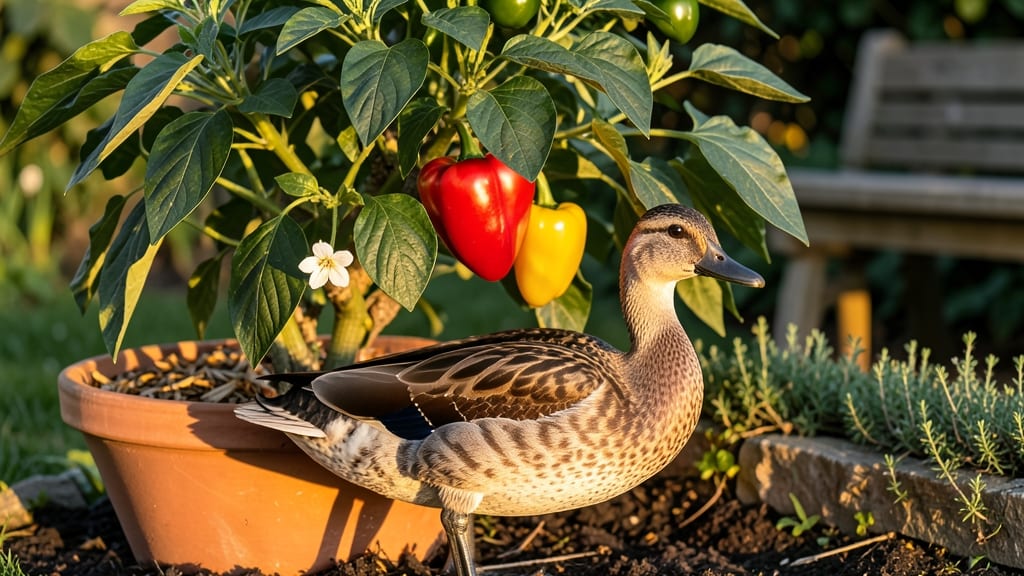
Ducks can eat peppers in moderation, especially mild varieties like bell peppers, but avoid spicy or hot peppers, which may irritate their digestive systems or cause discomfort. Always introduce new foods gradually.
Peppers offer ducks a tasty treat packed with vitamin C and fiber, but not all varieties are safe. 🌿 Bell peppers and mild jalapeños are excellent choices—they’re gentle on digestion and provide essential nutrients without the risk of capsaicin irritation.
The key is moderation: start with small pieces (about 1 inch per duck) and watch for any signs of discomfort, like excessive thirst or changes in droppings. Since ducks have sensitive stomachs, introducing peppers too quickly or in large amounts can lead to digestive upset.
Before serving, always wash peppers thoroughly to remove pesticides, then remove seeds and membranes to eliminate any residual spiciness. Chop them into bite-sized pieces to make chewing easier, especially for younger ducks.
I recommend offering peppers as a supplement rather than a staple—think of them as a flavorful addition to their regular diet of grains, greens, and proteins. This approach keeps their nutrition balanced while letting them enjoy the crunchy texture and mild flavor.
💡 In This Article
- Safe Pepper Types for Ducks and Nutritional Benefits
- How to Feed Peppers to Ducks Without Risks
Safe pepper types for ducks and nutritional benefits
Bell peppers are the safest option for ducks due to their mild flavor and high nutritional value. A single medium bell pepper contains about 150% of a duck's daily vitamin C requirement, which supports their immune system and feather health.
The fiber content also aids digestion, making them a great alternative to processed grains. 🌿 Unlike spicy peppers, bell peppers lack capsaicin—the compound that irritates a duck's sensitive digestive tract—so they won't cause discomfort when fed in moderation.
Mild jalapeños can also be offered occasionally, but only if they're seedless and membrane-free to remove any trace of capsaicin. A 1-inch piece is plenty for an adult duck, while younger ducks should get even smaller portions.
The key difference between safe and unsafe peppers lies in the heat level: bell peppers measure 0 Scoville units, while even mild jalapeños start at 2,500-8,000 units. For comparison, a habanero pepper has 100,000-350,000 units—far too intense for duck digestion.
Nutritionally, peppers outperform many other duck-safe vegetables. For instance, a cup of chopped bell peppers provides 3 grams of fiber (about 12% of a duck's daily needs) and 61% vitamin C—more than twice what you'd find in a cup of spinach.
The crunchy texture also encourages natural foraging behaviors, which keeps ducks mentally stimulated. However, peppers shouldn't replace leafy greens or grains—they're best served as a 10-15% supplement to a balanced diet.
Color matters too: red and yellow bell peppers contain more vitamin C than green ones due to longer ripening times. A red pepper has about 190% more vitamin C than its green counterpart, making it the most beneficial choice.
The sweetness also makes it more appealing to ducks, which can be especially helpful when introducing new foods. 🌈 Always choose organic peppers when possible to avoid pesticide residues that could harm your ducks' livers.
Comparing peppers to other duck-safe vegetables highlights their unique benefits. While carrots provide beta-carotene and kale offers calcium, peppers deliver a combination of antioxidants and vitamin C that's hard to match. Their high water content (about 92%) also helps keep ducks hydrated, particularly during hot weather.
This makes them an excellent summer treat—just ensure they have access to fresh water afterward to aid digestion.
One common misconception is that all peppers are safe if fed in small amounts. However, even mild peppers can cause issues if overfed. The capsaicin in jalapeños, even in small quantities, may trigger mild stomach upset in sensitive ducks.
Always observe your flock after introducing peppers: healthy droppings should remain firm and brown, while any green or watery consistency signals digestive distress. 🦆