
Pests and Diseases
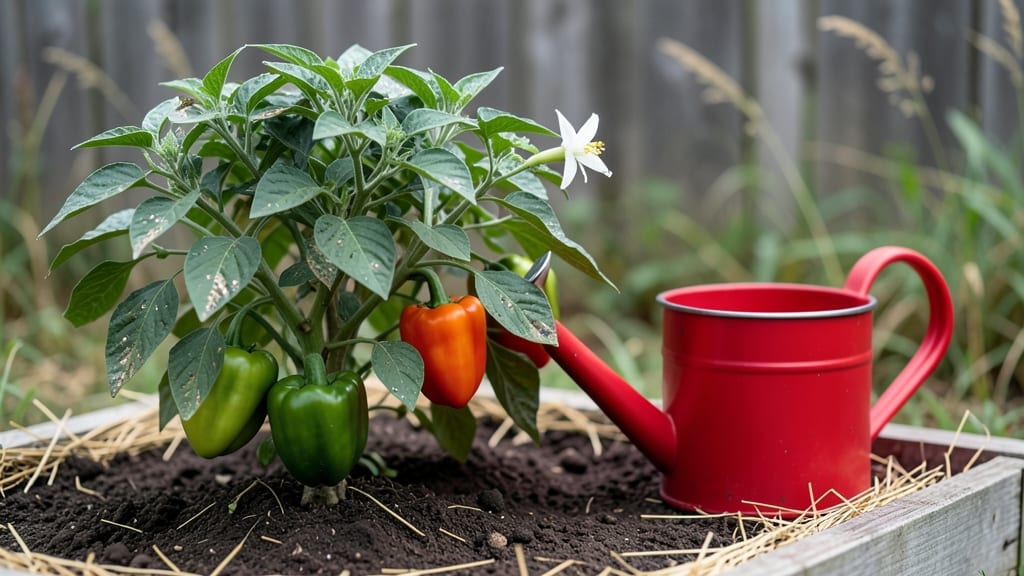
Spots on peppers mean your harvest isn’t doomed—just delayed. 🌱 I’ve saved dozens of pepper plants from ugly spots by acting fast, and you can too. The key is identifying whether those spots are fungal, bacterial, or just sunburn before treating them.
Most home gardeners panic when they see brown or black spots, but the fix is simple: prune infected leaves, improve airflow, and spray with a baking soda solution (1 teaspoon per quart of water). For bacterial spots, copper fungicide works best, while fungal issues respond to neem oil.
Within 3-5 days, new growth appears healthier, and the plants bounce back stronger. You’ll still get peppers—just maybe a week later than expected. The spots won’t ruin your harvest if you act now. Prevention is easier than treatment: water at the base, avoid overhead sprinklers, and rotate crops yearly.
Even if spots appear, harvest what’s ripe to reduce stress on the plant.
Root Causes of Pepper Spots
Those pesky spots on your peppers aren’t just cosmetic—they’re often a cry for help from your plants. Understanding the why behind them is the first step to restoring your garden’s health.
Below, we break down the most common culprits, from fungal invaders to environmental stressors, and explain how they trigger those telltale marks on your peppers.
Fungi thrive in damp, humid conditions, and peppers are prime targets. The most common fungal offenders include:
- Alternaria Leaf Spot:
Caused by the Alternaria solani fungus, this disease creates small, dark brown or black spots with yellow halos. It spreads via wind, water splashes, or contaminated tools. Hot, humid weather accelerates its growth, often appearing on older leaves first before moving to peppers.
- Phytophthora Blight:
This soil-borne fungus (Phytophthora capsici) causes oily, dark spots that spread rapidly, especially in waterlogged soil. It’s particularly aggressive in high humidity and can lead to fruit rot if left unchecked.
- Anthracnose:
Identifiable by sunken, circular lesions with concentric rings, anthracnose (Colletotrichum spp.) thrives in wet conditions and often appears after heavy rain or overhead watering. It can also infect peppers through wounds, like insect bites.
💡 Pro Tip: Fungal spores can survive in soil for years, so crop rotation and sterilizing tools are key to prevention.
Not all spots are from fungi—some are the handiwork of pests that feed on pepper leaves and fruit. Here’s how they leave their mark:
- Spider Mites:
These microscopic pests suck plant sap, causing tiny white or yellow speckles on leaves and peppers. Severe infestations lead to bronzing or stippling as the plant’s cells die. They thrive in dry, hot conditions and are often found on the undersides of leaves.
- Aphids:
Clustered aphids excrete sticky honeydew, which can attract sooty mold—a black, fuzzy fungus that coats leaves and peppers. Their feeding also causes curling, yellowing, and distorted growth, making peppers vulnerable to secondary infections.
- Fruit Piercing Moths:
Adult moths lay eggs on peppers, and the larvae bore into the fruit, creating small, dark entry points that expand into larger, sunken lesions. These wounds can rot and invite bacterial or fungal infections.
🔥 Quick Fix: Inspect peppers daily for eggs or larvae. Use neem oil or insecticidal soap to disrupt pest life cycles.
Peppers are sensitive to extreme conditions, and stress from their environment can manifest as spots. Here’s how:
- Sun Scorch:
Intense sunlight, especially in hot, dry climates, can cause white or grayish patches on pepper skins. This happens when cells overheat and burst, leaving peppers vulnerable to bacterial infections.
- Hail or Physical Damage:
Storm damage creates irregular, bruised spots that turn brown or black over time. These wounds act as entry points for pathogens, accelerating rot.
- Nutrient Deficiencies:
Lack of calcium or magnesium can cause blossom-end rot (dark, leathery spots at the pepper’s base) or interveinal chlorosis (yellowing between leaf veins), respectively. Poor soil health weakens peppers, making them more susceptible to other issues.
✨ Prevention Tip: Use mulch to regulate soil temperature and balanced fertilizer to avoid deficiencies. For sun scorch, provide afternoon shade in peak summer.
Sometimes, the spots are a side effect of well-intentioned (but overzealous) gardening practices:
- Herbicide Drift:
Wind can carry herbicide particles from nearby lawns or driveways, causing bleached or necrotic spots on pepper leaves and fruit. Always read labels and avoid spraying near pepper plants.
- Over-Fertilization:
Excessive nitrogen or salts in soil can burn plant tissues, leading to crusty, white deposits and brown spots. Flush soil with water if you suspect buildup.
- Hard Water Spray:
Water with high mineral content can leave white, chalky residues on pepper surfaces, clogging stomata (pores) and stressing the plant.
🎯 Action Step: Test your water’s pH and mineral content—ideal for peppers is 6.0–7.0 pH with low sodium.
Quick Fixes for Healthy Peppers
Got unsightly spots ruining your pepper harvest? Don’t toss those peppers just yet! With the right approach, you can restore their vibrancy and prevent future damage. Below, we’ve mapped out practical solutions for the most common causes—from fungal infections to environmental stressors—along with prevention tips to keep your peppers thriving.
Fungal spots often appear as dark, sunken lesions that spread quickly in damp conditions. Here’s how to tackle them:
🔥 Treat Existing Spots
- Prune infected leaves 🌿 – Use sterilized pruners (wipe with rubbing alcohol) to remove severely spotted foliage.
Dispose of it in the trash (not compost) to stop spores from spreading. - Apply copper fungicide 🛡️ – Spray a homemade mix (1 tsp copper sulfate + 1 gallon water) or a store-bought organic fungicide (like neem oil or baking soda spray).
Reapply every 7–10 days until new growth appears. - Improve air circulation 🌬️ – Space plants 12–18 inches apart and stake them to reduce humidity buildup. Avoid overhead watering—use drip irrigation instead.
💡 Prevention Tips
- Rotate crops 🌱 – Don’t plant peppers in the same spot next year (fungi linger in soil).
- Water in the morning ⏰ – Wet leaves at night invite fungal growth.
- Mulch with straw 🌾 – Keeps soil moist but prevents splashing spores onto leaves.
Tiny pests leave tiny holes, chewed edges, or sticky residue (honeydew). Here’s how to evict them:
👨🍳 Natural Pest Control Methods
- Blast them off with water 💦 – Spray plants with a strong stream in the early morning to dislodge aphids and mites.
- Introduce beneficial insects 🐞 – Ladybugs, lacewings, and predatory mites love munching on pepper pests.
Buy them online or attract them with dill or fennel nearby. - Use insecticidal soap 🧼 – Mix 1 tbsp mild soap (like Castile) + 1 quart water, spray directly on pests (reapply every 3–5 days).
🎯 Long-Term Prevention
- Row covers 🛡️ – Use floating fabric to block adult flea beetles (remove when flowers appear for pollination).
- Interplant with basil or marigolds 🌼 – These repel pests naturally.
- Inspect plants weekly 🔍 – Catch infestations early before they spread.
Peppers develop white or brown patches when exposed to too much direct sun or temperature swings. Fix it fast:
🌡️ Adjust Growing Conditions
- Provide afternoon shade 🌳 – Use shade cloth (30–50%) if temps exceed 90°F (32°C).
- Mulch heavily 🌿 – Straw or grass clippings keep roots cool and retain moisture.
- Water deeply & consistently 💧 – 1–2 inches per week (more in extreme heat).
Avoid wetting leaves to prevent sunburn.
✨ Quick Recovery Tips
- Harvest stressed peppers 🍆 – Mature peppers are less sensitive to heat stress.
- Move containers 🏠 – If growing in pots, relocate them to a shadier spot during peak sun.
Too much salt, chlorine, or synthetic fertilizer causes yellowing or crispy spots. Reverse the damage:
🚿 Flush the Soil
- Water heavily 💦 – 3–4 gallons per plant to leach out excess salts.
- Use rainwater or distilled water 🌧️ – Tap water often contains chlorine that burns plants.
- Switch to organic fertilizer 🌱 – Compost tea or fish emulsion feeds gently without burning.
💡 Prevention Tips
- Test soil first 📊 – Use a DIY soil test kit to check pH and nutrient levels.
- Follow fertilizer ratios 📝 – Half the recommended dose is often enough for peppers.
- Avoid fresh manure 🚫 – It can scorch roots; compost it first for 2–3 months.
Final Pro Tip: 🌱 Rotate your fixes—combine fungicide sprays, pest control, and shade adjustments for the best results. With these steps, your peppers will bounce back faster than you think—and next season, they’ll stay spot-free!
Frequently asked questions about pepper spots
Are spotted peppers still safe to eat?
Most spots—like those from Alternaria or sun scorch—won’t harm you, but avoid peppers with oozing lesions (signs of bacterial spot) or moldy growth. Wash all peppers thoroughly before eating. For severe cases, harvest only the unaffected fruit to reduce plant stress.
Why do my peppers get spots even with regular spraying?
Spots often return if humidity stays high or pests re-infest. Try copper fungicide + neem oil (alternate weekly) and improve airflow by pruning dense foliage. Check for hidden pests like spider mites on leaf undersides—they weaken plants, making them spot-prone.
Can I save peppers with blossom-end rot spots?
Yes! Blossom-end rot (dark, leathery spots at the pepper base) is usually calcium deficiency. Apply crushed eggshells around plants or use calcium nitrate fertilizer. Harvest the spotted peppers—they’re still edible (just trim off the bad part). Keep soil moist but not soggy.
How fast should spots disappear after treatment?
New spots stop spreading within 3–5 days of proper treatment (fungicide + airflow fixes). Existing spots may take 1–2 weeks to fade, but new growth should appear healthy. If spots worsen after a week, you may have bacterial spot—switch to copper-based sprays and remove all infected leaves.
Will spotted peppers still produce fruit?
While severe infections may reduce yield, peppers are resilient. Focus on removing infected leaves, watering at the base, and harvesting ripe peppers to encourage more production. Even "ugly" peppers with minor spots often taste great—just wash them well!