
Picking
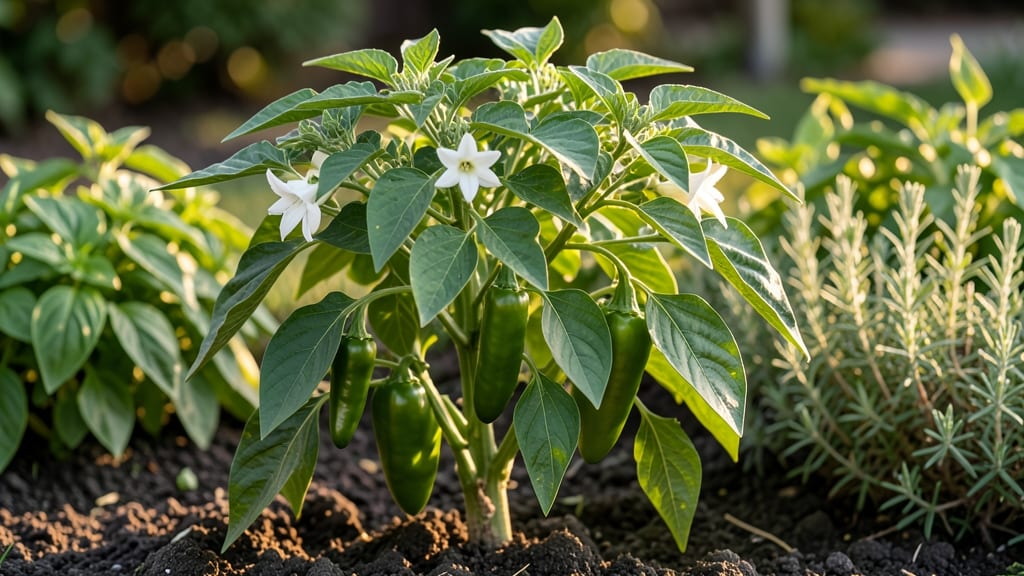
Growing Sweet Marconi peppers means trading bitter surprises for sweet, meaty heat—these Italian heirlooms pack a flavor punch without the capsaicin sting. 🌶️ I’ve grown them for years, and once you try them roasted or fresh in salads, you’ll never go back to store-bought.
The secret? Pole training transforms their sprawling habit into a vertical powerhouse, saving space and boosting yields.
These peppers thrive in full sun (6+ hours daily) and well-draining soil with a 6.0–7.0 pH. Start seeds indoors 8–10 weeks before last frost, then transplant after soil warms to 60°F.
A 5-foot tall trellis or tomato cage keeps vines organized, and pruning suckers early ensures energy goes to fruit, not foliage. The payoff? 3–4 inch-long pods that stay sweet even when red, unlike their spicy cousins.
Water consistently—1–1.5 inches per week—but avoid soggy soil, which causes blossom-end rot. Feed every 2–3 weeks with balanced fertilizer (10-10-10) until fruiting, then switch to low-nitrogen to sweeten the peppers.
Harvest when firm and glossy (green, yellow, or red), and expect 50–100 peppers per plant with proper care. The flavor? Nutty, slightly smoky, and addictively mild—perfect for grilling or stuffing.
Watch for aphids and spider mites—spray with neem oil if needed—and protect from late blight by spacing plants 18 inches apart. If you’ve struggled with bitter peppers before, Sweet Marconis are the game-changer. Start with 2–3 plants this season, and you’ll be hooked by summer’s first harvest.
📚 In This Guide
- What you need
- Instructions
- Tips and common mistakes
- Wrapping up and next steps
What you need
- ● Sweet Marconi Pepper Seeds: 3–5 seeds (or 3–5 seedlings if starting from nursery plants). Choose Capsicum annuum varieties like 'Sweet Marconi' or 'Marconi F1'.
- ● Containers or Garden Bed: Containers: 5-gallon pots or larger (12–15 inches deep) with drainage holes. 3–5 plants per container if growing in groups.
- ● Garden Bed: Full sun (6–8+ hours/day), well-draining soil with pH 6.0–6.8. Amend soil with compost for fertility.
- ● Pole/Trellis System: Sturdy bamboo stakes (6–8 ft tall), metal cages (5–6 ft), or a DIY trellis. 1 pole per plant for vertical support.
- ● Potting Mix: High-quality, lightweight mix (e.g., 60% peat moss, 20% perlite, 20% compost). Avoid garden soil—it compacts too easily!
- ● Fertilizer: Balanced organic fertilizer (10-10-10 or 5-5-5) or compost tea. Follow label rates for feeding.
- ● Pruning Shears: Sharp, sterilized shears for trimming and harvesting.
- ● Twine or Soft Plant Ties: Jute or Velcro ties to secure vines to poles gently.
- ● Mulch: Straw or shredded leaves to retain moisture and suppress weeds.
- ● Shade Cloth: 30–50% shade fabric for hot climates (protects from scorching).
- ● Grow Lights: LED grow lights (12–16 hrs/day) if starting indoors before transplanting.
- ● Succession Planting Supplies: Extra seeds/pots if extending your harvest season.
- ● Harvest Storage: Mesh bags or paper towels to keep peppers fresh post-pick.
How to grow sweet Marconi peppers with pole training
Here's my foolproof method for growing these sweet, heat-loving peppers—where pole training transforms them from bushy hassles into towering flavor factories.
🌱 Step 1: Start Seeds Indoors 8-10 Weeks Before Last Frost
Fill 2-3 inch deep seed trays with sterile seed-starting mix and plant 2-3 seeds per cell at a depth of ¼ inch. Marconi seeds germinate best at 75-85°F, so use a seedling heat mat if your home stays cooler. Keep the soil consistently moist (not soggy) until germination, which typically takes 7-14 days—some varieties are slower to break through.
Once seedlings emerge, remove the weakest one to leave the strongest plant per cell. Place them under grow lights 14-16 hours daily, keeping the lights 2-3 inches above the plants. You'll know they're getting enough light when the stems stay thick and leaves are dark green—not leggy and pale.
🪴 Step 2: Transplant to Larger Pots with Support Poles
When seedlings develop 4-5 true leaves (about 6-8 weeks after sowing), transplant them into 5-gallon containers with a balanced fertilizer mixed into the soil. Insert a 5-foot tall bamboo stake or tomato cage into each pot at planting time—Marconi peppers grow 6-8 feet tall and need sturdy support from day one.
Tie the main stem to the stake with soft plant ties, leaving 12-18 inches of stem exposed above the soil. This early training prevents stem breakage later. Water deeply after transplanting, and place pots in a location with full sun (6+ hours daily)—Marconi peppers demand heat to develop their signature sweetness.
☀️ Step 3: Prune and Train for Maximum Yield
When plants reach 3 feet tall, begin pruning to encourage bushier growth. Remove suckers (side shoots in leaf axils) to direct energy upward. You'll see these suckers form where the stem meets a leaf—pinch them off with your fingers or snip with clean scissors. This step is critical: unpruned Marconi plants produce long, sparse stems with fewer peppers.
Continue tying the main stem to the stake every 12-18 inches as it grows. When the plant reaches the top of the stake, trim the main stem just above a leaf node to encourage branching. This creates a bushier top that produces more fruit. Watch for yellowing leaves—a sign of overwatering or nutrient deficiency—adjust care immediately.
💧 Step 4: Maintain Soil Moisture and Fertility
Water at the base when the top 1-2 inches of soil feel dry, avoiding wetting the leaves to prevent disease. Marconi peppers are drought-tolerant once established but produce sweeter fruit with consistent moisture. Use a balanced liquid fertilizer (10-10-10) every 2-3 weeks during flowering and fruiting to support heavy production.
Mulch with 2-3 inches of straw or shredded leaves to retain moisture and regulate soil temperature. You'll notice peppers form in clusters along the stem—this is normal. Remove any peppers that appear misshapen or diseased immediately to prevent spread. Harvest when peppers reach 6-8 inches long for peak sweetness.
✂️ Step 5: Harvest and Extend the Season
Pick peppers in the morning when they're firm and glossy. Use clean pruners to avoid damaging the stem. Marconi peppers continue producing if you harvest regularly—expect 10-15 peppers per plant in a season. Store unripe peppers in the fridge for 1-2 weeks or freeze them whole for later use.
As fall approaches, protect plants from early frosts with row covers or move pots to a sheltered location. With proper care, you can extend the harvest until first frost. Save seeds from your best peppers by fermenting them in a jar for 5-7 days before drying—this ensures true-to-type plants next year.
Tips & tricks for pole-trained sweet Marconi peppers
Here's what nobody tells you about growing these towering treasures—details that turn good harvests into spectacular ones.
Lighting Secret: Those 14-16 hours of grow light aren't just about duration—they're about intensity. Position lights just 2-3 inches above seedlings to prevent leggy growth. I use LED grow lights because they emit less heat, which keeps my seedlings from wilting. If you notice stems stretching toward the light, you're too far away.
Support System: Don't wait until plants are tall to add stakes! Insert your 5-foot bamboo stakes at transplant time in Step 2. The key is burying them deep enough (half their length) so they don't topple when the 6-8 foot plants lean into them. I've seen Marconi peppers snap stakes that weren't properly anchored—it's heartbreaking when you've put in all that work.
Pruning Precision: When you reach Step 3 and start removing suckers, focus on the ones forming in the lower leaf axils first. These early suckers compete with your main stem for energy. I use clean scissors for larger suckers and pinch smaller ones with my fingers—this prevents disease spread. The goal is to create a balanced plant with 3-4 main branches by the time it hits your stake's top.
Fertility Fine-Tuning: That 10-10-10 fertilizer recommendation works, but here's the pro move: switch to a higher phosphorus (P) fertilizer (like 5-10-10) when you see flower buds forming. The extra phosphorus promotes better root development and fruit set. I also add a handful of compost to each pot at transplant time—this gives you a slow-release nutrient boost that lasts the whole season.
Pro Tips for Sweet Marconi Peppers
- Here's what nobody tells you about growing these towering treasures—details that turn good harvests into spectacular ones.
- Lighting Secret: Those 14-16 hours of grow light aren't just about duration—they're about intensity.
- Support System: Don't wait until plants are tall to add stakes!
Frequently asked questions
Got questions about growing and enjoying sweet Marconi peppers?
You’re not alone! Here are answers to the most common curiosities—from planting to harvest—so you can savor these vibrant beauties without a hitch.
How long does it take for sweet Marconi peppers to mature?
Sweet Marconi peppers typically take 80–90 days from transplanting to harvest, depending on your climate. Start seeds indoors 8–10 weeks before your last frost date for a head start. In warmer regions, direct sowing may work, but expect slightly slower growth. Patience pays off—these peppers reward you with long, sweet, and tender fruits!
Why are my Marconi peppers turning bitter?
Bitter flavors often stem from overripe peppers or stress (like uneven watering or extreme heat). Harvest Marconis when they’re 6–8 inches long and still firm for peak sweetness. If bitterness lingers, try soaking slices in salted water for 10 minutes before cooking—it can mellow the flavor. Also, ensure consistent moisture and avoid letting soil dry out completely.
Can I grow sweet Marconi peppers in containers?
Marconis thrive in containers as long as the pot is at least 12–15 inches deep and has drainage holes. Use a lightweight potting mix and place the container in a spot with 6–8 hours of sunlight daily. Just be mindful of watering—containers dry out faster, so check soil moisture regularly. Pro tip: Add a trellis or cage to support their long vines!
What’s the best way to store harvested Marconi peppers?
Store whole, unwashed Marconis in the crisper drawer of your fridge for up to 2 weeks. For longer storage, blanch and freeze them (slice into rings, blanch for 2 minutes, then freeze in airtight bags). To preserve freshness, avoid cutting until ready to use. Fun fact: Their sweetness intensifies slightly when stored properly!
Are there any good alternatives if I can’t grow Marconi peppers?
If Marconis aren’t available, try these sweet pepper substitutes:
- Banana peppers – Mild, crunchy, and great for pickling.
- Sweet Italian frying peppers – Similar shape, slightly sweeter.
- Poblano peppers (when young) – Mild and versatile (roast for flavor!).
- Bell peppers (var. ‘Sweet Banana’) – Long and sweet, perfect for stir-fries.
While no perfect match, these options work well in stuffed peppers, sautés, or fresh snacks!
Wrapping up and next steps
Sweet Marconi peppers are a gardener’s dream—packed with flavor, easy to grow, and perfect for pole training!
Whether you’re a beginner or a seasoned green thumb, their sweet rewards make the effort worthwhile. Now’s your chance to try them: grab your supplies, follow the steps, and let these beauties climb their way to your table. Happy harvesting! 🌱🔥