
Picking
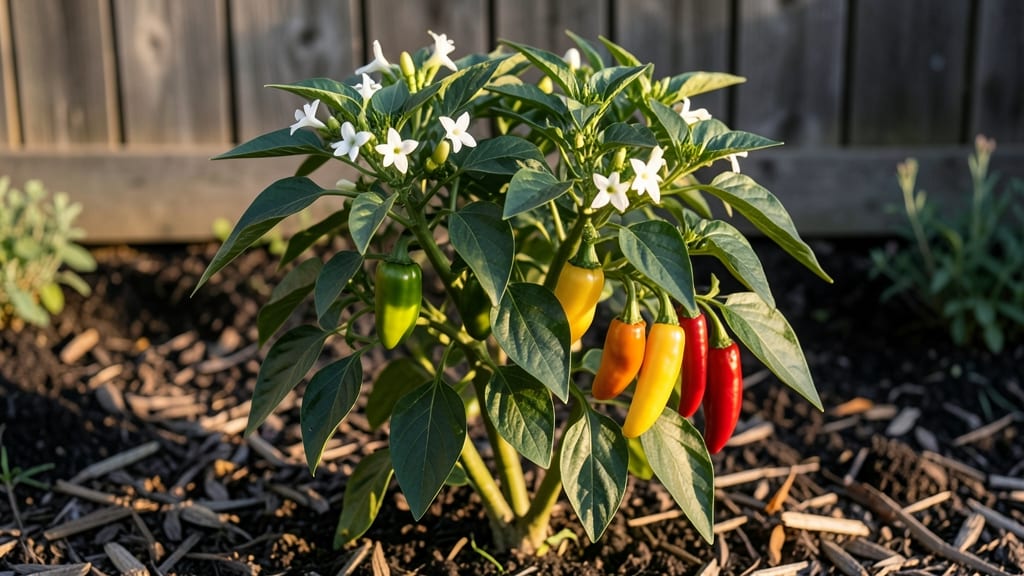
Banana peppers change color from bright green to golden yellow as they ripen, with some varieties even turning orange. These color shifts indicate ripeness and sweetness levels—green peppers are harvested early, while yellow peppers are fully mature and milder in flavor.
When you pick banana peppers, their hue tells you a lot about taste and texture. 🌱 Green peppers pack a sharper kick and firmer bite, while yellow ones mellow out with a sweeter profile—great for pickling or stuffing.
The transition happens naturally as chlorophyll breaks down and carotenoids take over, but sunlight exposure speeds up the process. I always look for vibrant yellow peppers when I want that perfect balance of heat and sweetness in dishes.
Fun fact: some heirloom varieties like 'Golden Banana' stay green longer, while others like 'Apache' turn bright yellow quickly. This means color alone can't guarantee ripeness—always check firmness too. For the best flavor, aim for peppers that are fully colored but still firm to the touch.
💡 In This Article
- Why Banana Peppers Change Color as They Ripen
- Best Banana Pepper Varieties by Color and Flavor
Why banana peppers change color as they ripen
The color transformation in banana peppers is a fascinating botanical process tied to their ripening stage. When first harvested, these peppers are bright green due to high levels of chlorophyll, the pigment responsible for photosynthesis.
As they ripen, chlorophyll breaks down, revealing the underlying carotenoids—yellow and orange pigments that give fully ripe peppers their golden hue. This shift isn't just visual; it's a chemical signal that the pepper's sugars are converting from starches, making it sweeter and milder.
Sunlight exposure plays a crucial role in accelerating this process. Peppers left on the vine longer or grown in sunnier conditions develop more carotenoids faster. For example, a pepper left in direct sunlight for 10-14 days after reaching maturity can turn from green to bright yellow in just a week.
The temperature also matters—warmer climates (above 75°F) speed up ripening, while cooler weather slows it down. This is why grocery store peppers might stay green longer if they're shipped from cooler regions.
What most people don't realize is how this color change affects flavor. Green banana peppers contain more capsaicin, the compound that gives chili peppers their heat, while yellow peppers have lower capsaicin levels but higher sugar content.
The breakdown of chlorophyll also reduces the pepper's natural bitterness, making the yellow varieties more versatile in cooking. Think of it like a natural sweetening process—just like how a green tomato becomes sweeter when fully ripe.
There's a scientific reason behind this sweetness too: as chlorophyll degrades, the pepper's cells focus on producing sugars for energy storage. This is why ripe yellow banana peppers often have 20-30% more sugar content than their green counterparts.
The transition from green to yellow isn't just about color—it's a metabolic shift that makes the pepper more palatable and aromatic. You can taste this difference clearly when you compare a fresh green pepper's sharp bite to a ripe yellow one's balanced sweetness.
For gardeners and home cooks, understanding this process helps with selection. If you're growing your own, leaving peppers on the vine longer yields sweeter, milder fruit—but beware of over-ripening, which can turn them soft and mealy.
In stores, look for peppers with vibrant yellow coloring and firm skin; these are typically at peak flavor. The color change is nature's way of telling you when the pepper is ready to eat at its best.