
Plants
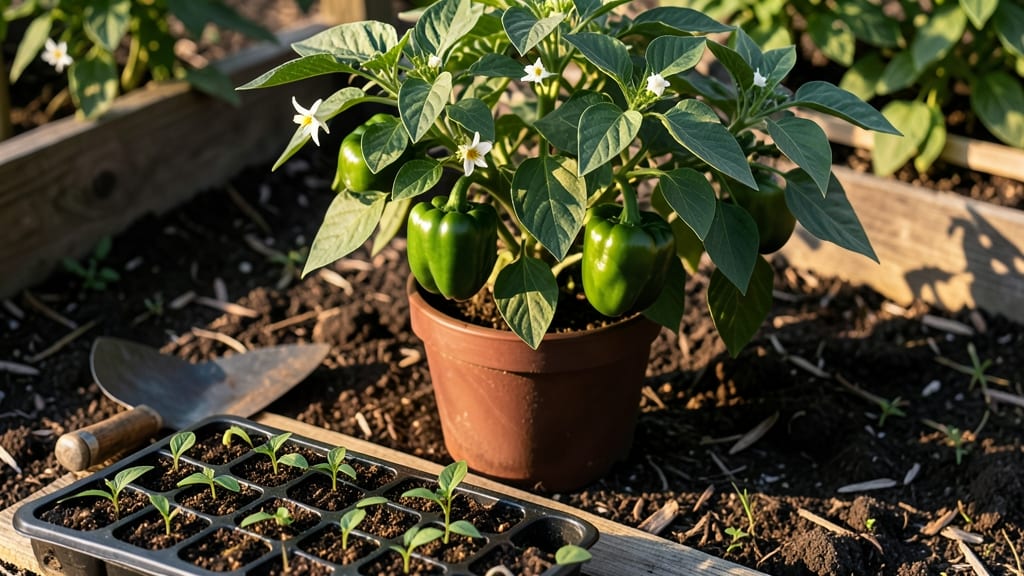
Planting bell peppers in Alabama at the right time means the difference between a bountiful harvest and wasted effort — and the window opens sooner than you might think.
Alabama’s warm climate and long growing season make it an ideal place for 🌶️ bell peppers, but planting too early can leave them vulnerable to frost, while waiting too late cuts your harvest short.
The key is timing: soil temperature, frost-free dates, and even your specific region (North vs. South Alabama) all play a role.
Most gardeners in USDA Zones 7b-8b can start transplants as early as mid-March, but direct sowing should wait until April 1 or later. That’s when the ground warms to at least 60°F, giving those peppers the perfect start.
Below, I break down the exact planting windows by region, soil prep tips, and how to stretch your growing season for even more peppers from July through October.
Best months to plant bell peppers in Alabama’s frost-free zones
Alabama’s diverse climate zones create unique planting windows for bell peppers. In North Alabama (USDA Zones 7a-7b), cooler temperatures mean earlier frost risks, while South Alabama (Zones 8a-8b) enjoys longer growing seasons.
Knowing your last frost date and soil temperature requirements is key to avoiding stunted plants or frost damage.
Bell peppers thrive as annuals in Alabama, needing 60-85°F soil temperatures to germinate and grow. Transplants should go in after the last frost (typically mid-March to early April in North Alabama), while direct sowing works best from late April to early May statewide.
Let’s break down the best months by region to maximize your harvest.
| Region | Last Frost Date | Best Planting Window | Soil Temp Requirement | Notes |
|---|---|---|---|---|
| North Alabama (Zones 7a-7b) | March 15 - April 15 | Transplants: April 1-15 Seeds: May 1-15 |
60-65°F minimum | Use row covers for early starts; avoid planting before last frost. |
| Central Alabama (Zones 7b-8a) | March 1 - April 1 | Transplants: March 15-April 30 Seeds: April 15-May 15 |
60-70°F minimum | Longer season allows for multiple plantings; choose heat-tolerant varieties. |
| South Alabama (Zones 8a-8b) | February 15 - March 15 | Transplants: February 28-April 30 Seeds: March 15-May 15 |
65-75°F minimum | Can plant earlier; consider late-season varieties for fall harvests. |
In North Alabama, where frost lingers until mid-April, focus on transplanting after April 1 to avoid cold snaps. Start seeds indoors in March for early transplants or wait until May 1 for direct sowing. Soil thermometers are your best friend here—wait until temperatures hit 60°F consistently.
Central Alabama gardeners enjoy a longer window, with last frosts typically by early April. This means you can plant transplants as early as March 15 and even direct-sow seeds in late April.
Choose heat-tolerant varieties like ‘Aristotle’ or ‘Carmen’ to handle Alabama’s summer heat spikes, which can exceed 90°F.
For South Alabama, the frost-free season starts earlier, often by mid-February.
This allows for multiple planting windows: early transplants in late February, a second round in April, and even fall plantings in August for late-season harvests. Soil temperatures here rarely drop below 65°F, making it ideal for fast-growing varieties.
Regardless of region, avoid planting bell peppers in June or July unless you’re using shade cloth or drip irrigation to protect from extreme heat. Flower drop and blossom-end rot become major risks when daytime temps exceed 95°F. Instead, prioritize spring and early summer plantings for the best yields.
Pro tip: Use mulch to keep soil temperatures stable and companion plants like basil or marigolds to deter pests. In North Alabama, add a row cover for early transplants to shield against late frosts.
For South Alabama, focus on succession planting every 2-3 weeks to stretch your harvest into October or November.
Remember, bell peppers are warm-season crops, so rushing them into cold soil will stall growth. Always check your local frost dates (via Alabama A&M Extension) and soil temperature before planting. With the right timing, you’ll enjoy juicy, homegrown peppers from summer through fall!
🌱🌶️☀️
How to extend your bell pepper growing season in Alabama
Alabama’s short growing window in Zone 7a can make it tricky to get the most from your bell pepper plants. With the right strategies, you can push your harvest window later into fall and even start earlier in spring.
The key is combining indoor seed starting, protective covers, and smart variety selection to beat Alabama’s early frosts and late heat waves.
I’ve grown bell peppers in Alabama for years, and I’ve learned that extending the season isn’t just about planting later—it’s about creating the perfect conditions for your plants to thrive when they otherwise wouldn’t. Whether you’re dealing with cool spring mornings or early autumn chills, these techniques will help you maximize your harvest.
Use grow lights to give seedlings 12-14 hours of light daily. Alabama’s last frost typically hits March 15, so start seeds around January 15 for early transplants.
Bell peppers won’t germinate in cold soil. Use a soil thermometer to confirm temps before planting. In North Alabama, this often means waiting until mid-April.
Lightweight floating row covers can extend the season by 2-3 weeks in spring and fall. Secure them with bricks or hoops to protect from wind.
Opt for varieties like ‘Carmen’ (90 days) or ‘Aristotle’ (85 days). These handle Alabama’s heat better than early varieties that bolt in summer.
Place plants in full sun (6+ hours). In shady spots, use reflective mulch to boost light. South-facing gardens get the best results.
Another trick I’ve found works well is using black plastic mulch to warm the soil faster in spring. This can shave off 1-2 weeks from your planting timeline by raising soil temps by 5-10°F. Just be sure to remove it before the first frost to avoid overheating tender roots.
For gardeners in South Alabama (Zone 8a), the window is even longer. You can often get away with direct sowing in late February if you’re willing to risk a little frost damage. But in North Alabama, it’s safer to stick with transplants after April 15 to avoid cold snaps.
Don’t forget to harvest regularly—this encourages more fruit production. When peppers reach 3-6 inches and turn glossy, they’re ready. In Alabama’s heat, this often means July through October with proper care. With these extensions, you might even squeeze in a second planting in early June for a fall harvest!