
Plants
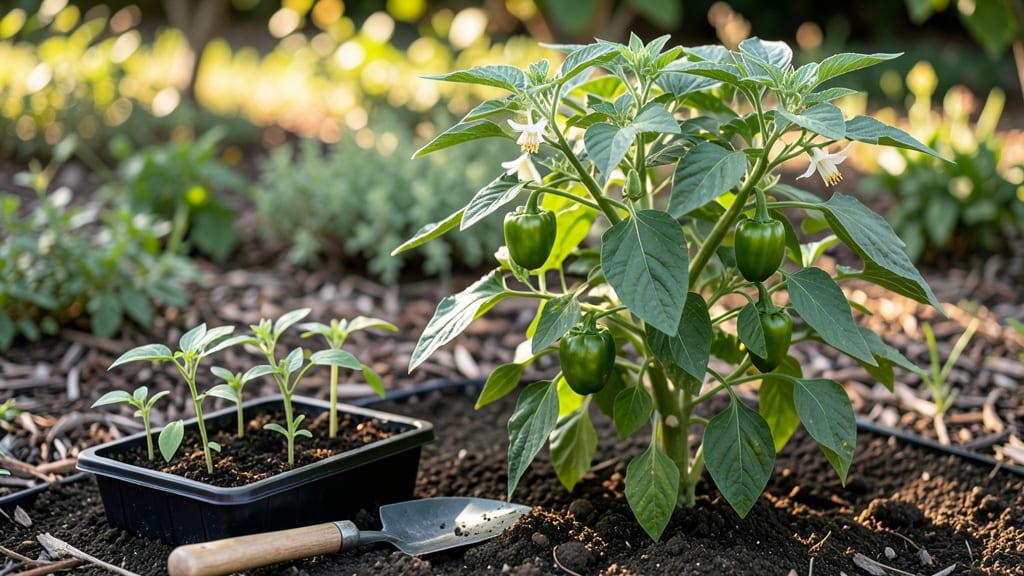
To plant bell peppers in Texas, time it between mid-March and early June for spring or August to early September for fall, depending on your microclimate.
Texas gardeners know timing is everything—plant bell peppers too early, and frost will kill them; too late, and you’ll miss the long, hot growing season. But with Texas’ diverse microclimates, the perfect planting window varies dramatically from the Panhandle to South Texas.
For example, North Texas gardeners should wait until after the average last frost date (around March 15), while South Texas growers can start as early as February—but only if soil temperatures stay above 60°F.
Get this wrong, and you’re either fighting frost damage or watching your plants wilt in the heat before they even fruit.
Below, I break down the exact planting windows for each Texas zone, how to prep soil for alkaline Texas dirt, and the best varieties to thrive in your specific heat and humidity. No more guesswork—just a guaranteed harvest of sweet, crisp 🌶️ peppers.
Texas bell pepper planting zones: when to start indoors vs. direct-sow by region
Texas’ sprawling landscape—from the chilly Panhandle to the steamy Rio Grande Valley—creates a puzzle for gardeners. Bell peppers (Capsicum annuum) thrive in heat but wilt under frost, so your planting window depends entirely on your USDA zone and microclimate.
In North Texas (Zone 7b-8a), late frosts linger until March 15, while South Texas (Zone 9a-10b) enjoys frost-free soil by January 1. Even within regions, Hill Country elevations delay warmth by weeks compared to coastal plains.
For peak yields, align your seed-starting or direct-sowing with soil temperatures above 60°F (15°C) and frost-free forecasts. Below, I break down indoor seed-starting timelines and outdoor transplant windows for Texas’ four key regions—plus adjustments for urban heat islands and protected microclimates like raised beds or greenhouses.
| Region & Zone | Last Frost Date | Indoor Start (Seeds) | Outdoor Transplant Window | Direct-Sow Window | Key Notes |
|---|---|---|---|---|---|
| North Texas (7b-8a) | March 15 | Feb 1 - Feb 15 | April 15 - May 1 | April 15 - May 15 | Use row covers for late frosts; choose early-maturing varieties like 'Early California Wonder'. |
| Central Texas (8a-8b) | March 1 | Jan 15 - Feb 1 | March 15 - April 1 | March 15 - April 15 | Hill Country areas delay planting by 10-14 days due to cooler nights. Mulch heavily to retain heat. |
| East Texas (8a-8b) | February 28 | Jan 1 - Jan 15 | March 1 - March 15 | March 1 - April 1 | Humidity increases fungal risks; opt for disease-resistant varieties like 'Aristotle'. |
| South Texas (9a-10b) | January 1 (rare) | Optional (skip indoor start) | February 15 - March 15 | February 1 - March 15 | Direct-sow heat-tolerant varieties like 'NuMex Heritage' after soil reaches 70°F+. |
In North Texas, where frost can linger until March 15, I recommend starting seeds indoors by February 1 to give seedlings a head start. Transplant after the average last frost, but keep row covers handy for late surprises.
For Central Texas, the window opens earlier—indoor starts by January 15 and outdoor planting by March 15—but Hill Country gardeners should push back timelines by 10-14 days due to cooler nights.
East Texas’ humidity demands disease-resistant varieties, and the soil warms quickly, so I direct-sow as early as March 1. Meanwhile, South Texas gardeners can skip indoor starts entirely and direct-sow from February 1 onward, focusing on heat-tolerant varieties that thrive in 90°F+ conditions.
Pro tip: Use black plastic mulch to raise soil temperatures faster in cooler microclimates.
For fall harvests, aim to plant 8-10 weeks before your first frost. In North Texas (Zone 7b), that’s August 15 for transplants; in South Texas (Zone 9a), you can extend planting until September 1.
Always check soil temperature with a probe—bell peppers won’t germinate below 60°F, and growth stalls below 70°F.
Microclimates add another layer. Urban areas like Austin or San Antonio experience "heat islands" where pavement radiates heat, allowing earlier planting. Conversely, elevated regions like Fredericksburg may need 2-3 weeks later
Microclimate-specific bell pepper varieties and soil prep for Texas heat
Texas’ extreme heat and varied climates demand the right bell pepper varieties and soil prep to thrive. In West Texas, where temperatures soar past 100°F, heat-tolerant varieties like NuMex Heritage shine.
Meanwhile, East Texas’ humidity suits Carolina Wonder, which resists fungal diseases. Choosing the wrong variety can mean stunted growth or failed harvests—so let’s match your microclimate to the perfect pepper.
Texas soils often have alkaline pH levels (7.5-8.5), which can trigger blossom-end rot in peppers. To combat this, aim for a soil pH of 6.0-6.8 by amending with sulfur or peat moss.
Organic matter like composted cow manure or worm castings also improves drainage and nutrient retention, critical for Texas’ heavy clay soils in areas like Houston or San Antonio.
🌱
For West Texas’ extreme heat, focus on heat-tolerant varieties like NuMex Heritage, which thrives in 95°F+ temperatures. In East Texas’ humidity, Carolina Wonder resists fungal diseases like early blight.
Always harden off seedlings for 7-10 days before transplanting to avoid shock, especially in South Texas’ intense sun.
Texas’ alkaline soils often lack calcium, leading to blossom-end rot. Prevent this by adding crushed eggshells or gypsum to the soil. Pair this with consistent watering—deep watering 2-3 times per week—to keep roots healthy.
Avoid overhead watering to prevent disease spread in humid zones like Beaumont or Corpus Christi.
In North Texas, where late frosts can linger, opt for early-maturing varieties like Jupiter. For Central Texas’ variable weather, Big Jim delivers reliable yields. Always test soil pH before planting—aim for 6.0-6.8—and adjust with organic amendments like composted manure or worm castings.
🌿