
Plants
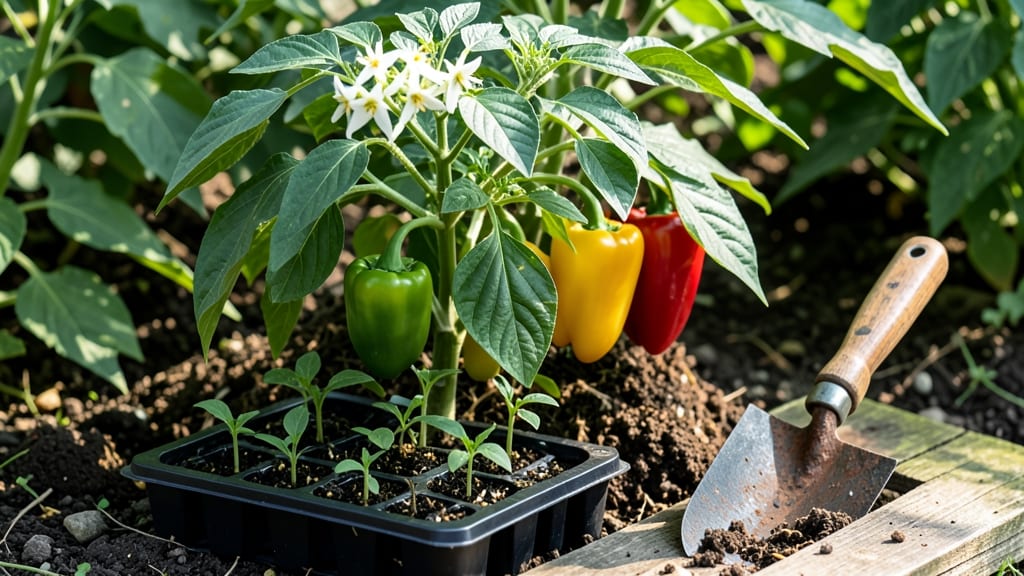
Planting peppers in Southern California means timing your schedule to avoid the coastal chill or inland heat that can ruin your harvest.
Southern California’s diverse microclimates—from coastal chill to inland heat—can turn pepper gardening into a high-stakes timing game. Plant too early, and your seedlings might struggle in cooler coastal zones, while too late, and the desert heat can stunt growth before peppers 🌶️ even set fruit.
Most gardeners in zones 9b-11 start transplants in February or March, but the exact window depends on whether you’re near the coast, in the valleys, or in the desert.
Below, I break down the ideal planting deadlines for each microclimate, plus how to adjust for heat-sensitive varieties like bell peppers versus heat-loving habaneros.
You’ll also discover how to prep soil for faster root establishment, when to expect your first harvest, and how to stretch your growing season for year-round production—no matter where in SoCal you live.
Southern California pepper planting deadlines by microclimate zone
Southern California’s microclimates create a gardening paradox: while some areas enjoy year-round growing, others face coastal fog delays or desert heat spikes. For peppers, timing isn’t just about frost—it’s about soil warmth and heat tolerance.
Coastal Santa Barbara can plant earlier than inland LA, while Palm Springs gardeners race against summer’s 110°F+ temperatures. Let’s break down the optimal transplant windows by zone and variety.
Most of Southern California avoids frost, but coastal areas like Santa Barbara experience delayed warming due to ocean breezes. Inland zones (LA, Riverside) warm faster, while desert regions (Palm Springs, Coachella) require shade cloth in peak summer.
Your last-frost date isn’t the only deadline—soil temperature (60°F+) and daylength matter more. Below, I’ve mapped out transplant windows for bell peppers, jalapeños, and habaneros, the three most popular varieties.
Pro Tip: Use a soil thermometer—pepper seeds need 70°F+ soil to germinate, while transplants thrive at 65°F+. Coastal gardeners should wait until April 15 for direct sowing, while desert growers can start as early as February under shade.
For bell peppers, which take 75–90 days to mature, coastal gardeners should prioritize early March transplants to avoid summer heat stress.
Inland zones can push to late February for a June harvest, while desert growers should transplant by March 15 and use drip irrigation to prevent fruit scorching. Jalapeños, with their 60–75 day maturity, offer more flexibility—coastal areas can direct-sow through May, while desert regions benefit from February starts under shade.
Habaneros are the heat-loving outliers: they thrive in 90°F+ days and can handle desert summers better than bells. Inland gardeners can transplant as late as April 1, but coastal growers should limit habaneros to container gardens near heat-reflective walls. Pro Tip: If you’re in Santa Barbara and craving habaneros, start seeds indoors by February 1 and move to containers on patios for extra warmth.
Don’t overlook succession planting: in frost-free zones, you can sow new seeds every 2–3 weeks from March through July for a continuous harvest.
For example, inland LA gardeners might transplant bell peppers on March 1, jalapeños on April 15, and habaneros on May 1 to stagger ripening. Key: Always check seed packet days-to-maturity and count backward from your first expected frost—even if it’s rare.
One common mistake is assuming “frost-free” means “plant anytime”. In reality, soil temperature and daylength dictate readiness. For instance, Santa Barbara’s April fog can delay soil warming by 2–3 weeks compared to LA’s inland heat. Use a planting calendar (like the one above) and
How to adjust planting times for pepper varieties with different heat tolerances
Not all peppers thrive under Southern California’s intense summer heat. Bell peppers need cooler conditions to mature, while habaneros crave the desert’s furnace-like temperatures. The key is matching your variety’s heat tolerance to your microclimate’s soil temperature and transplant timing. Here’s how to get it right.
For slow-to-mature varieties like bell peppers, I start seeds indoors 8-10 weeks before the last frost date (even though SoCal rarely gets frost, I use mid-February as a benchmark). These peppers need cooler spring temperatures to develop properly, so transplanting too early can shock their roots.
Meanwhile, heat-loving habaneros should wait until after Memorial Day when soil temps hit 75°F+.
- Bell Peppers (Slow-Maturing): Start seeds indoors January 15 for transplant by March 1 when soil hits 60°F+. Use shade cloth in summer to prevent bolting.
- Jalapeños (Moderate Tolerance): Direct-sow seeds March 15-April 15 after frost risk passes. Transplant seedlings if started indoors by April 1.
- Habaneros (Heat-Loving): Wait until May 15 for direct sowing when soil temps exceed 75°F. Avoid transplant shock by hardening off seedlings for 2 weeks.
- All Varieties: Mulch heavily after transplanting to retain moisture and regulate soil temps. Use black plastic mulch for heat retention in desert zones.
Transplant shock is the silent killer of pepper plants in SoCal. I always harden off seedlings for 10-14 days before moving them outdoors, gradually exposing them to direct sun and wind.
For heat-sensitive varieties, I use shade cloth (30-50%) during the hottest afternoons to prevent sunscald. Even habaneros, which love heat, need afternoon shade when temps exceed 95°F.
Soil temperature is the non-negotiable factor in pepper success. Use a soil thermometer to confirm 60°F+ for bell peppers and 75°F+ for habaneros before planting. In coastal areas, cooler soils may delay planting until April, while inland valleys can start as early as February.
Raised beds warm up faster—ideal for early starts in cooler microclimates.
For a year-round harvest, I stagger plantings: bell peppers in February-March, jalapeños in April-May, and habaneros in June-July. This ensures continuous production while accounting for each variety’s heat tolerance.
In desert regions, I focus on late-summer plantings to avoid the 100°F+ soil temps that stunt growth.
Pro tip: Succession planting works wonders in SoCal. After harvesting your first batch of bell peppers in June, replant with heat-tolerant varieties like Carolina Reapers for a fall harvest. Just remember—habaneros need consistent heat, so avoid planting them before Memorial Day unless you’re in the desert.