
Light Requirements
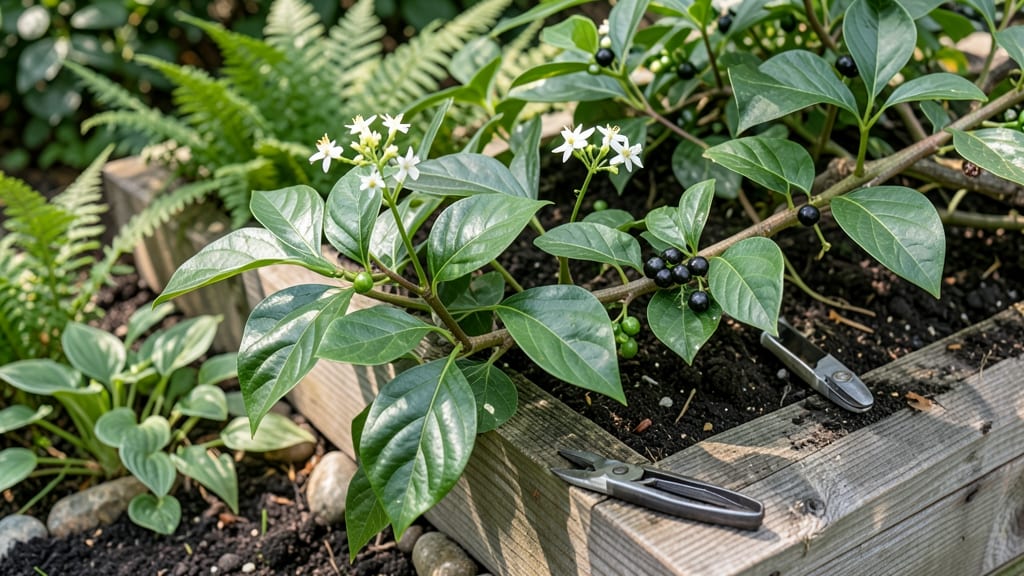
Peppercorns grow primarily in tropical regions like Vietnam, Malaysia, India, and Indonesia, where warm temperatures, high humidity, and nutrient-rich, well-drained soil create ideal conditions for cultivating the world's most prized black and white pepper varieties.
Peppercorns need consistent warmth—think 70-85°F year-round—and thrive in areas with 80-100 inches of annual rainfall. 🌿 The soil must be acidic (pH 5.0-6.5) and rich in organic matter, which is why these countries' volcanic soils produce such high-quality pepper.
Vietnam alone accounts for over 30% of global production, thanks to its perfect microclimates in the Central Highlands.
What makes these regions special isn't just the climate but the centuries-old farming traditions. Malaysian peppercorns, for example, are often lighter and milder, while India's Tellicherry pepper has bold, spicy notes. The difference comes down to elevation, rainfall patterns, and even the specific pepper vine varieties grown in each area.
The tropical environment isn't just about growing peppercorns—it's about preserving their complex flavors. Without these ideal conditions, the delicate balance of compounds that give pepper its signature heat and aroma simply wouldn't develop. That's why you'll never find truly world-class peppercorns growing in temperate climates.
💡 In This Article
- Climate and Soil Requirements for Peppercorn Cultivation
- Top Peppercorn-Producing Regions and Their Unique Varieties
Climate and soil requirements for peppercorn cultivation
The pepper vine (Piper nigrum) demands a climate that mimics its native tropical rainforest environment.
Ideal temperatures hover between 70-85°F year-round, with no frost risk—even a brief dip below 50°F can kill the vines. 🌿 The plants thrive in areas with 80-100 inches of annual rainfall, distributed evenly throughout the year, as prolonged dry spells cause the delicate vines to wither.
High humidity (70-90%) prevents moisture loss from the leaves, which are covered in tiny waxy structures that help retain water but also require constant atmospheric moisture.
The soil requirements are equally precise: peppercorns need well-drained, acidic soil with a pH between 5.0-6.5.
Volcanic soils found in many growing regions provide the perfect balance of minerals like potassium and phosphorus, while organic matter from decomposed leaves creates a loose, crumbly texture that roots can penetrate easily. 🌱 In Vietnam's Central Highlands, for example, the porous volcanic soil allows excess water to drain quickly after heavy rains, preventing root rot—a common issue in waterlogged conditions.
This soil composition also explains why peppercorns grown in these regions develop more complex flavor compounds than those cultivated in less ideal conditions.
Rainfall patterns play a crucial role in peppercorn development. The vines produce flowers only during the monsoon season, when consistent moisture triggers the hormonal changes needed for flowering.
After pollination, the berries (peppercorns) require 6-9 months to mature, during which they change color from green to red before being harvested. The tropical climate ensures this entire process occurs without interruption, unlike in temperate zones where seasonal changes would halt growth.
This precise environmental control is why tropical regions dominate global pepper production.
One fascinating mechanism is how temperature affects the pepper's chemical composition. Warmer climates with higher nighttime temperatures (above 75°F) produce peppercorns with more piperine—the compound responsible for heat—while cooler tropical areas yield milder varieties.
For instance, Malaysia's white pepper (grown in cooler highland regions) contains up to 20% less piperine than Vietnam's black pepper, explaining its smoother, more aromatic profile. 🌡️ This temperature-flavor relationship is why even small variations in microclimates within a single country can produce distinctly different pepper varieties.
The combination of these factors creates an almost perfect ecosystem for peppercorns. The high humidity prevents the vines from drying out, while the acidic soil provides essential nutrients without becoming waterlogged.
This delicate balance explains why attempts to grow peppercorns in non-tropical regions—even with artificial climates—rarely produce peppercorns with the same depth of flavor and complexity as those from Vietnam, Malaysia, or India.
What's particularly interesting is how these climate requirements have shaped global trade routes. The need for tropical conditions meant peppercorns became one of history's most valuable spices, fueling exploration and colonization as European powers sought direct access to these growing regions.
Without the perfect storm of climate and soil, peppercorns would remain a regional curiosity rather than the global culinary staple we know today.