
Plants
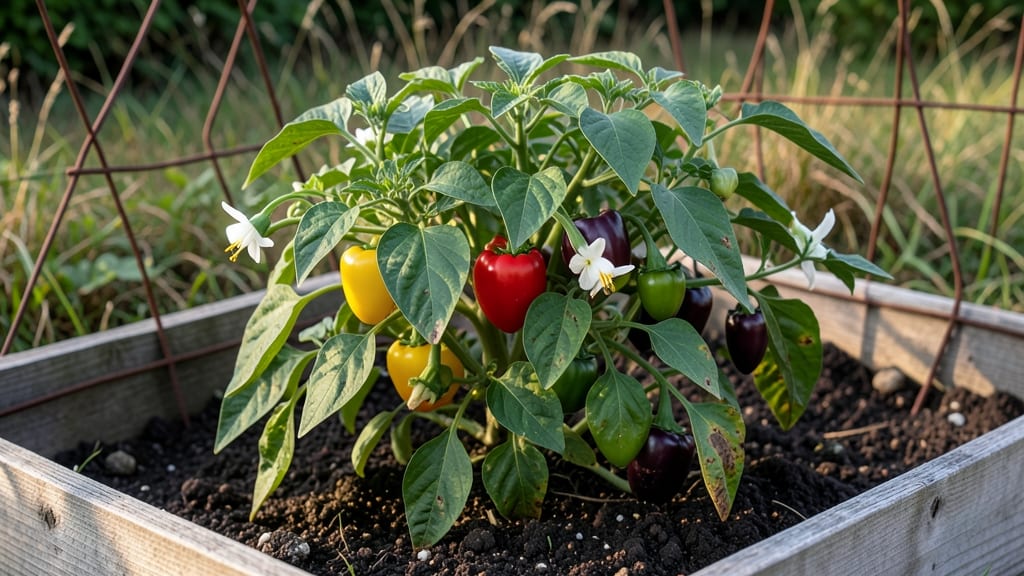
Those ugly brown spots on your bell pepper plants? Copper spray is the game-changer you need. 🌱 I’ve battled this exact problem every summer—until I discovered how copper fungicide stops the spread in its tracks while letting your peppers keep growing strong.
The spots appear as tiny freckles that grow into larger, sunken lesions, often with yellow halos. This is classic early blight or anthracnose, fungal diseases that thrive in warm, damp conditions.
Overwatering or poor airflow makes it worse, but copper spray creates a protective shield that prevents spores from taking hold. Once you apply the spray every 7-10 days, you’ll see new growth free of spots within 2-3 weeks.
The peppers stay crisp, the plants keep producing, and you avoid losing an entire harvest to fungal rot. Works for both garden beds and containers, and it’s safe to use right up until harvest day. Let’s get those plants back to their best!
Root Causes Behind Pepper Spots
Brown spots on your bell pepper plants can feel like a mystery—until you pinpoint the exact culprit. These blemishes rarely appear out of nowhere; they’re usually a clear sign of environmental stress, microbial invaders, or even your own gardening habits.
Below, we break down the most common triggers, complete with the science behind them so you can diagnose and act like a pro.
Fungi thrive in moist, warm conditions
Not all brown spots are fungal. Sometimes, your peppers are screaming for help due to physical damage or weather extremes: Bacteria move 10x faster than fungi and can kill a plant in days. Here’s how to ID them: 🔍 Quick Diagnosis Checklist:
Next up: How to Treat and Prevent these spots before they ruin your harvest!
How to Fix Fungal Spots Fast
Now that you’ve identified the cause of those pesky brown spots on your bell pepper plants, it’s time to take action! The good news? Most fungal issues are treatable with simple, garden-friendly solutions.
Below, we’ll map out targeted fixes based on the most common culprits—plus prevention tips to keep your peppers thriving. Let’s get your plants back to their vibrant, productive selves!
If your peppers are covered in brown, sunken spots (anthracnose) or dry, crusty patches (early blight), fungi are likely the culprits. These thrive in humid, warm conditions, so act quickly before they spread.
🔥 Step 1: Remove Infected Leaves & Debris
- 👨🍳 Snip off any leaves with brown spots using sterilized scissors (wipe with rubbing alcohol between cuts).
- 🗑️ Dispose of infected plant material in the trash not the compost—fungi can survive and reinfect.
- 🌬️ Thin out foliage to improve airflow around plants (aim for 6–12 inches between stems).
🍳 Step 2: Apply Fungicide (Natural or Chemical)
| Option | How to Use | Frequency |
|---|---|---|
| Copper fungicide | Spray early morning or late evening (avoid direct sun). Mix as directed. | Every 7–10 days until new growth appears. |
| Baking soda spray | Mix 1 tsp baking soda + 1 tbsp oil + 1 tsp soap per quart of water. Spray undersides of leaves. | Every 7–10 days. |
| Neem oil | Combine 1 tbsp neem oil + 1 tsp soap per quart of water. Shake well before spraying. | Every 5–7 days for 2–3 weeks. |
| Commercial fungicide | Follow label instructions (e.g., chlorothalonil for severe cases). | As directed (usually weekly). |
💡 Pro Tip: Rotate treatments to prevent fungi from building resistance. For example, alternate copper spray one week and neem oil the next.
🌡️ Step 3: Adjust Growing Conditions
Fungi love moisture and heat—so tweak your garden environment:
- 💦 Water at the base (avoid overhead sprinkling, which spreads spores).
- ⏰ Water early (before 10 AM) so leaves dry by evening.
- 🌿 Mulch with straw (keeps soil moist but prevents splashing onto leaves).
- 🌬️ Improve airflow with cage supports or pruning.
✨ Prevention for Next Season
- 🌱 Choose resistant varieties (e.g., ‘Aristotle’ or ‘Carmen’ bell peppers).
- 🌿 Rotate crops—don’t plant peppers, tomatoes, or eggplants in the same spot yearly.
- 🔥 Solarize soil in late summer: Cover beds with clear plastic for 4–6 weeks to kill fungal spores.
If spots appear only on sun-exposed sides (especially in hot weather), your peppers may be suffering from sunburn or heat stress.
👨🍳 Step 1: Provide Shade Cloth
- 🌿 Install 30–50% shade cloth if temps frequently exceed 90°F (32°C).
- 🍅 Use row covers for young plants to acclimate slowly to sunlight.
🌡️ Step 2: Hydrate Properly
- 💦 Water deeply (1–1.5 inches per week) to prevent wilting.
- 🌱 Mulch heavily (2–3 inches of straw or wood chips) to retain moisture.
- 🌅 Avoid evening watering—wet leaves + nighttime heat = fungal risk.
🎯 Long-Term Fixes
- 🌱 Plant in partial shade (e.g., near a fence or dappled sunlight area).
- 🌿 Choose heat-tolerant varieties like ‘Jupiter’ or ‘King of the North’.
Tiny pests can leave speckled brown spots (from feeding or honeydew buildup). Here’s how to evict them:
🔪 Step 1: Blast Them Off
- 💦 Spray with water (strong stream from a hose) to dislodge pests.
- 🕷️ Use insecticidal soap (mix 2.5 tbsp soap per gallon of water)—reapply every 3–5 days.
🌿 Step 2: Introduce Beneficial Insects
- 🐞 Ladybugs (eat aphids), 🕷️ lacewings (devour spider mites), or 🐝 predatory mites (control thrips).
- 🌱 Plant companion flowers like marigolds or dill to attract them.
💡 Prevention Tips
- 🌿 Inspect new plants before bringing them home (quarantine for 2 weeks).
- 🌱 Avoid over-fertilizing with nitrogen—soft new growth attracts pests.
If more than 50% of leaves are affected, it may be time to reset your plant:
- 🌿 Trim back severely damaged foliage to encourage new growth.
- 🍄 Apply a final fungicide spray (copper or neem) as insurance.
- 🌱 Feed with compost tea to boost immunity (mix 1 cup compost + 5 gallons water, steep 24 hours).
✅ Morning watering (never wet leaves at night). ✅ Weekly inspections (catch spots early!). ✅ 3–4 week fungicide rotation (copper → neem → baking soda). ✅ Prune for airflow (no crowded, damp leaves).
With these steps, your bell pepper plants should bounce back in 2–4 weeks—just in time for a bountiful harvest! 🌶️💚
Frequently asked questions
Why do brown spots appear in patches rather than all over my pepper leaves?
Brown spots often start in patches because fungal spores (like Alternaria) land on specific areas first—especially older leaves or spots where water collects. Poor airflow or overhead watering creates these "hot zones" where moisture lingers, giving fungi the perfect environment to take hold. Think of it like mold in your shower: it grows where water sits longest.
Can I still harvest peppers from plants with brown spots?
Yes, but only if the spots are on leaves—not the fruit itself. If you see brown lesions on peppers, remove those immediately (don't compost them). Healthy-looking peppers are safe to eat, but wash them thoroughly before using. The real risk comes from fungal spores contaminating your harvest during storage.
How long does it take for copper spray to work on existing spots?
You'll typically see improvement within 7-10 days of consistent application, but new growth should be spot-free in 2-3 weeks. Copper fungicide works by creating a protective barrier that prevents spores from germinating, but it won't reverse existing damage. For best results, apply every 7-10 days during humid conditions and pair it with proper airflow.
Will my other garden plants catch whatever's causing the brown spots?
Some fungal diseases (like Phytophthora) can spread to other plants in the nightshade family (tomatoes, eggplants), but many pepper-specific fungi won't jump to unrelated crops. To prevent cross-contamination, avoid overhead watering near healthy plants, sterilize your tools between uses, and remove all infected debris immediately. Rotating crops yearly also helps break the disease cycle.
Is it too late to save my pepper plants if half the leaves are brown?
Not necessarily! Prune back severely affected leaves (use sterilized scissors) and focus treatments on new growth. For fungal issues, a final copper spray + compost tea (1 cup compost to 5 gallons water) can help revive plants. If the problem is bacterial (oozy spots), you may need to remove the plant entirely to prevent spread. Monitor closely—healthy new leaves should appear within 2-3 weeks if the roots are still strong.