
Picking
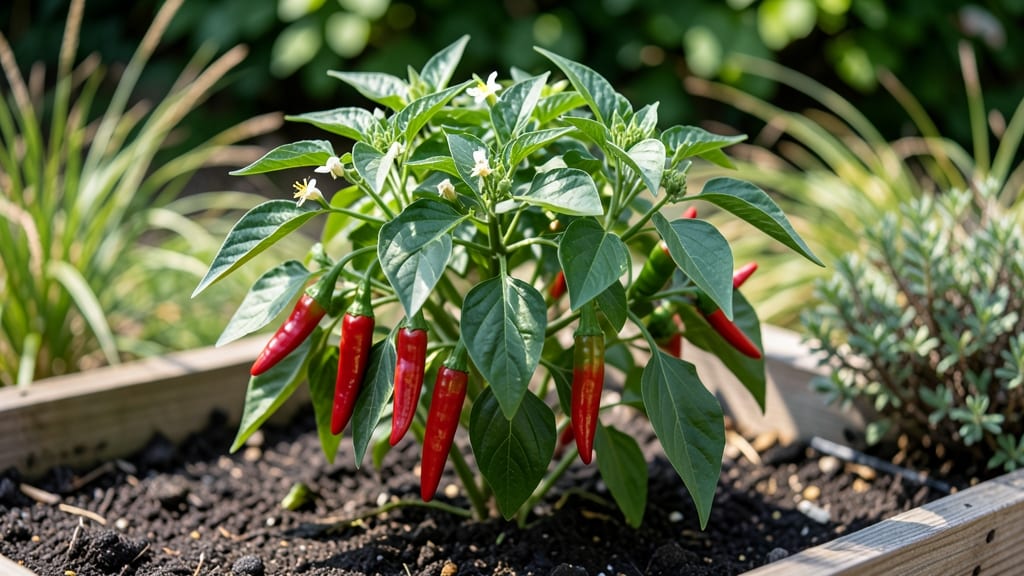
Growing Cornito Rosso peppers delivers bold, sweet heat in just 60 days—my favorite Italian heirloom for fresh salsas and dried flakes. 🌶️ These deep-red beauties thrive in warm climates but surprise even in short seasons with their compact size and prolific fruiting. The key?
Starting seeds indoors 6-8 weeks before last frost and providing consistent warmth, which is where most gardeners stumble. This pepper handles containers beautifully, making it perfect for patios or small gardens.
You’ll need well-draining soil with a pH of 6.0-6.8, full sun (6+ hours daily), and regular watering—never soggy soil—to prevent blossom end rot. The flavor? A perfect balance of fruity sweetness with a moderate kick, ideal for both fresh eating and drying.
My plants produce 20-30 peppers per plant when given proper care, and they keep bearing until frost. Harvest begins when peppers reach 3-4 inches long and deep red color, but wait for full ripeness for maximum flavor.
Store unripe peppers in the fridge for up to a week or dry them for long-term use. The secret to avoiding common issues? Calcium-rich soil prevents rot, and pruning side shoots boosts fruit production. Even my first attempt yielded enough peppers to fill my pantry for winter.
Whether you’re a seasoned grower or trying peppers for the first time, Cornito Rosso delivers reliable results with minimal fuss. The compact size and disease resistance make it a standout for any home garden—just give it warmth, patience, and a little attention to detail. Ready to grow your own?
Let’s get started with the full guide.
📚 In This Guide
- What you need
- Instructions
- Tips and common mistakes
- Wrapping up and next steps
What you need
- ● Cornito Rosso seeds – 3-5 seeds (or 1-2 starter plants if purchasing seedlings). Look for heirloom or organic seeds for the best flavor!
- ● Seed-starting mix – 1 small tray (1020 sq. in.) or 4-6 cell packs (50-cell size). Avoid garden soil—it’s too dense for sprouting.
- ● Growing containers or garden bed: For seedlings: 4-6 small pots (4-6 inches deep) with drainage holes.
- ● For transplanting: 5-gallon pots or a garden bed with well-draining soil (peppers hate soggy roots!)
- ● Balanced fertilizer – 5-10-10 or organic options like compost tea or worm castings. Start with a weak mix (half-strength) to avoid burning young plants.
- ● Watering can or spray bottle – With a fine rose attachment to mist seeds gently.
- ● Grow lights or sunny windowsill – A 4-6 foot LED grow light (if indoors) or a south-facing window (6+ hours of sunlight/day).
- ● Pruning shears or scissors – For trimming leggy seedlings or harvesting.
- ● pH test kit – To check soil pH (aim for 6.0–6.8; peppers thrive in slightly acidic soil).
- ○ Glove – Optional but helpful for handling spicy peppers (the Cornito Rosso can pack a mild heat!).
- ○ Support stakes or cages – 3-4 foot tall (optional but recommended for heavier pepper loads).
- ● Mulch (straw or shredded leaves) – To retain moisture and suppress weeds.
- ● Last frost date – Know your local last frost date (peppers cannot tolerate cold!). Start seeds 8–10 weeks before the last frost.
- ● Warmth – Seeds need 70–85°F (21–29°C) to germinate. Use a heat mat if your home is cooler.
- ● Patience – Germination takes 7–21 days (usually 10–14 days with ideal conditions).
How to grow cornito rosso peppers for maximum flavor
Here's the foolproof method I've used to grow sweet, heat-packed Cornito Rosso peppers every season.
🌱 Step 1: Start Seeds Indoors 8-10 Weeks Before Last Frost
Cornito Rosso seeds need warmth to germinate, so I start mine indoors under grow lights. Fill 2-3 inch deep seedling trays with sterile seed-starting mix and plant seeds ½ inch deep, two per cell. The seeds are tiny—tap the packet gently to release them without crushing.
Cover the tray with plastic wrap and place on a seedling heat mat set to 75-80°F. Germination takes 7-14 days—don't be impatient and move them too soon. You'll know they're ready when the first true leaves appear (not the initial seed leaves).
☀️ Step 2: Harden Off and Transplant After All Frost Risk Passes
Two weeks before your last frost date, move seedlings outside daily for increasing lengths of time. Start with 1 hour in partial shade, then gradually increase to 6+ hours by the transplant date. Cornito Rosso peppers hate cold soil—wait until nighttime temperatures stay above 55°F.
Choose a sunny spot with 6-8 hours of direct sun daily. Dig holes twice as wide as the root ball to encourage spreading roots. Space plants 18-24 inches apart in rows 3 feet apart. I always add a handful of compost to each hole—these peppers are heavy feeders.
💧 Step 3: Water Deeply and Consistently Through Fruit Development
Cornito Rosso peppers need 1-1.5 inches of water weekly, delivered at the base to prevent fungal issues. Water deeply when the top 2 inches of soil feel dry—never let them wilt. I use drip irrigation to keep foliage dry, which prevents common pepper diseases.
Mulch with 2-3 inches of straw or grass clippings to retain moisture and regulate soil temperature. The mulch also keeps peppers clean and prevents soil-borne diseases from splashing onto the fruit. You'll see the difference in plant vigor within two weeks.
✂️ Step 4: Prune for Airflow and Remove Suckers Weekly
Pinch off the first flower cluster when plants are 12-18 inches tall to encourage bushier growth. Remove any suckers (side shoots in leaf axils) weekly—they divert energy from fruit production. I prune in the morning so wounds have time to heal before evening moisture arrives.
When peppers reach 3-4 inches long, they're ready to harvest. Cornito Rosso peppers turn from green to red when fully ripe—pick them at this stage for maximum sweetness and heat. Use pruning shears to avoid damaging the plant, and harvest every 2-3 days to encourage continuous production.
🌿 Step 5: Extend the Season with Row Covers or Greenhouse
For a second harvest, protect plants with floating row covers until 2 weeks before your first expected frost. Remove covers during the day to allow pollination. In colder climates, I move potted Cornito Rosso plants to an unheated greenhouse where they continue producing until temperatures drop below 32°F.
You'll get 4-6 weeks of additional harvests this way. Just be sure to check for pests weekly—row covers trap humidity, which can encourage spider mites. A quick spray with neem oil keeps them at bay without harming your peppers.
Tips & tricks for growing perfect cornito rosso peppers
These simple strategies will help you grow vibrant, flavorful Cornito Rosso peppers that stand out in your garden.
Seedling Heat Mat Secret: The 75-80°F heat mat temperature is non-negotiable for germination—any lower, and you'll waste weeks waiting for those tiny seeds to sprout. I use a digital thermometer to monitor the mat constantly. Once you see those first true leaves (not the initial seed leaves), you're ready to move to the next stage. Don't rush this—patience at the beginning means healthier plants later.
Harden Off Gradually: That 1-hour to 6-hour progression during hardening off is crucial for transplant shock prevention. I start with morning shade and gradually move to full sun over 7-10 days. Watch your seedlings closely—if leaves start curling, they're getting too much sun too soon. Cornito Rosso peppers are sensitive to temperature swings, so consistency is key during this transition period.
Watering Wisdom: The 1-1.5 inches of water weekly guideline assumes average summer conditions. In hotter climates, you might need up to 2 inches, especially during fruit development. I check soil moisture by sticking my finger 2 inches deep—if it's dry, that's your watering cue. The key is consistency; sudden dry spells cause blossom-end rot, while overwatering leads to fungal issues. Drip irrigation at the base keeps foliage dry and prevents common pepper diseases.
Pruning for Productivity: That weekly sucker removal might seem tedious, but it pays off big time. I use clean pruning shears and make cuts just above the leaf axil to avoid damaging the main stem. When you pinch off that first flower cluster at 12-18 inches, you're encouraging the plant to put energy into stronger stems and more fruit later. Morning pruning gives wounds time to heal before evening moisture arrives, reducing disease risk.
Pro Tips for Cornito Rosso Pepper
- These simple strategies will help you grow vibrant, flavorful Cornito Rosso peppers that stand out in your garden.
- Seedling Heat Mat Secret: The 75-80°F heat mat temperature is non-negotiable for germination—any lower, and you'll waste weeks waiting for those tiny seeds to sprout.
- Harden Off Gradually: That 1-hour to 6-hour progression during hardening off is crucial for transplant shock prevention.
Frequently asked questions
Got questions about growing and using Cornito Rosso pepper? You’re not alone! Here are some of the most common queries—plus quick, actionable answers to help you grow this fiery gem like a pro.
How long does it take for Cornito Rosso peppers to mature?
The Cornito Rosso typically matures in 60–75 days from transplanting, depending on your climate and growing conditions. In warmer regions, you might see peppers ready to harvest as early as 60 days. Keep an eye out for the deep red color and firm texture—these are your cues! Pro tip: Plant seeds indoors 8–10 weeks before your last frost date to give them a head start.
What’s the best temperature range for growing Cornito Rosso peppers?
Cornito Rosso
thrives in warmth, with ideal daytime temperatures between 70–85°F (21–29°C). Nighttime temps should stay above 60°F (15°C) to prevent stress. If you’re in a cooler climate, use black plastic mulch or a mini greenhouse to retain heat. Avoid planting until soil temps hit 65°F (18°C)—cold soil can stunt growth.
Can I grow Cornito Rosso peppers in containers?
These peppers adapt well to containers as long as the pot is at least 12–15 inches deep and has drainage holes. Use a high-quality potting mix with added compost, and place the container in a spot that gets 6–8 hours of sunlight daily. A 5-gallon bucket works great for 1–2 plants. Just ensure the container stays consistently moist but not soggy.
How spicy is Cornito Rosso pepper, and how can I use it?
The Cornito Rosso packs a moderate heat level, typically around 30,000–50,000 Scoville units (similar to a jalapeño but with a smoky, slightly sweet kick). It’s perfect for drying and grinding into flakes, blending into hot sauces, or adding a spicy punch to pasta, pizza, or charcuterie boards. For a milder flavor, remove the seeds and membranes before using. Spice tip: Pair it with tomatoes, garlic, or olive oil to balance the heat!
What should I do if my Cornito Rosso plants get pests or diseases?
Common pests like aphids, spider mites, or hornworms can target your peppers, but don’t worry—prevention and quick action work wonders! Neem oil or insecticidal soap can tackle soft-bodied pests, while handpicking hornworms (yes, really!) helps too. For disease prevention, ensure good airflow, avoid overhead watering, and remove any yellow or spotted leaves immediately. Troubleshooting tip: If you spot powdery mildew, spray with a baking soda solution (1 tsp baking soda + 1 quart water + a drop of dish soap) every 7–10 days.
Wrapping up and next steps
Growing your own cornito rosso pepper isn’t just rewarding—it’s a burst of flavor waiting to happen! 🌱 With just 60 days, a sunny spot, and a little care, you’ll transform tiny seeds into fiery, sweet, and versatile peppers.
Whether you’re a seasoned gardener or a curious beginner, this spice is your ticket to homegrown heat and freshness.
Ready to take the next step? Plant those seeds today! Experiment with recipes, share your harvest with friends, or even save seeds for next season. Your kitchen—and taste buds—will thank you. 🔥