
Picking
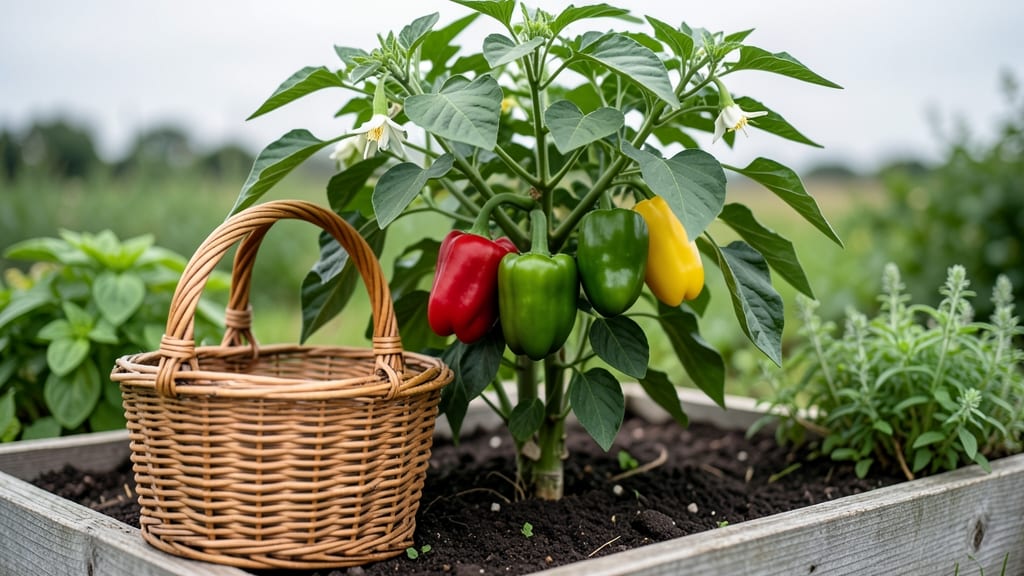
To know when peppers are ready to pick, watch for three key signals: full size, vibrant color, and a slight give when gently squeezed — these are the game-changers for flavor and yield.
Picture this: you’ve nurtured your 🌶️ plants all season, and now the moment of truth arrives. Picking too early means bland peppers; waiting too long can mean missing the peak. The difference between a crisp, sweet bell and a leathery mess often comes down to timing.
Not all peppers follow the same rules. A jalapeño might be ready when it turns deep red, while a bell pepper could be perfect when it’s still green but firm.
Below, I’ll break down the visual cues and texture tests that work for every variety, plus the common mistakes that even experienced gardeners make.
By the end, you’ll confidently spot the perfect pepper—whether you’re aiming for peak flavor, storage life, or even seed-saving. Let’s dive into the signs that tell you it’s time to harvest.

Peppers ready to pick: visual cues by color, size, and shape
Knowing when to harvest your peppers can transform a good crop into an exceptional one. The secret lies in observing three key indicators: color, size, and shape. Each pepper variety has unique signals, so let’s break down what to watch for in your garden.
Whether you’re growing bell peppers, jalapeños, or habaneros, these visual cues will help you pick at peak ripeness.
First, color changes are often the most obvious sign. Most gardeners know bell peppers start green but can ripen to red, yellow, or purple. However, jalapeños and habaneros typically mature to deep reds or oranges, while some heirloom varieties might stay green or develop striped patterns.
Always check the variety’s expected mature color in your seed packet or plant tag.
Size matters too—peppers won’t reach their full flavor until they’ve grown to their mature dimensions. A bell pepper ready to pick is usually 3-6 inches long, while jalapeños should be 2-3 inches. Smaller peppers may taste underdeveloped, so resist the urge to harvest early, even if they look colorful. Measure against the expected size for your specific variety to avoid mistakes.
Shape also plays a role, especially with heirloom or specialty peppers. Some varieties, like banana peppers or chipotle peppers, have distinct curved or elongated forms when fully ripe.
Others, such as poblano peppers, should be slightly tapered at the stem end. If a pepper’s shape doesn’t match its mature form, it’s likely not ready yet.
For heirloom or specialty peppers, always double-check your seed packet or a trusted gardening resource. Some varieties, like Shishito peppers, stay green but are fully ripe when they’ve reached their expected size.
Others, such as Aji Charapita, develop striking purple stripes when mature. If you’re unsure, compare your pepper to photos of fully ripe examples from the same variety.
One common mistake is picking peppers based solely on color without considering size. A jalapeño that’s turned red but is still small won’t have developed its full heat or flavor. Similarly, a bell pepper that’s large but still green may not be as sweet as one that’s fully colored.
Always cross-reference all three cues—color, size, and shape—to ensure you’re harvesting at the perfect moment.
Pro tip: If you’re growing multiple varieties, keep a small notebook or use your phone to snap photos of each pepper type at different stages. This visual reference will help you spot the subtle differences that signal ripeness, especially for less common varieties.
Over time, you’ll develop an eye for when your peppers are truly ready to pick.
Remember, the goal is to balance flavor, texture, and yield. Picking too early means missing out on peak sweetness or heat, while waiting too long can result in overripe peppers that become mealy or prone to pests.
By mastering these visual cues, you’ll ensure your peppers are harvested at their best—ready to enjoy fresh, preserve, or share with fellow gardeners.
🌶️
Texture and firmness tests to confirm pepper ripeness
When peppers reach their mature size and expected color, the next step is testing their texture and firmness. This simple but crucial step ensures you’re harvesting at peak ripeness.
For example, a bell pepper should feel slightly soft when gently squeezed, while jalapeños or habaneros may still hold a bit more firmness at their peak. The key is to avoid both underripe and overripe peppers, as both compromise flavor and texture.
Start by gently pressing the pepper with your thumb. A ripe pepper will yield slightly under pressure but won’t feel mushy. For bell peppers, this means the skin should give just a little, like a ripe avocado.
Meanwhile, chili peppers like jalapeños or serranos often stay firmer but develop a slight leathery texture as they mature. Pay attention to the stem attachment too—it should separate cleanly from the plant when twisted gently, a sign the pepper is fully mature.
Don’t confuse ripe with overripe! Overripe peppers turn soft, wrinkled, or develop dark spots. For bell peppers, this means a mushy texture and loss of crispness. For chili peppers, overripeness can dull heat intensity. Always pick when the pepper is firm but yields slightly—this is your sweet spot for flavor and texture.
Variety-specific adjustments are essential. For instance, jalapeños and habaneros are best picked when their skin color deepens and they feel slightly firm but not rock-hard. In contrast, bell peppers should be harvested when their skin color fully develops (red, yellow, or purple) and they’re plump but not overly soft.
Heirloom varieties, like cherry peppers, may require extra attention—some stay firm longer, while others soften quickly once ripe.
Another trick is the stem twist test. Grasp the pepper’s stem and twist gently. If it separates cleanly from the plant, it’s ready to pick. If the stem resists or the pepper pulls away with the stem still attached, it’s not fully mature yet.
This method works especially well for chili peppers, where the stem often detaches easily when ripe. For bell peppers, a slight twist should release the pepper without resistance.
Timing your harvest also matters. Morning is ideal because peppers are coolest and firmest after a night’s rest. Avoid picking after a hot day, as peppers may feel softer due to heat stress. If you’re unsure, err on the side of early harvestingoverripe or attract pests.
Regular checks every 2-3 days help you stay on top of ripeness, especially during peak production months like July and August.
Finally, remember that flavor peaks at full ripeness, but some varieties can be picked earlier for cooking. For example, green bell peppers are often harvested before they turn red, while jalapeños can be used fresh when still green but fully sized.
Always taste-test a small sample if possible—this is the ultimate test for ripeness! With practice, you’ll develop a keen eye (and touch) for knowing exactly when your peppers are ready to pick.