
Pests
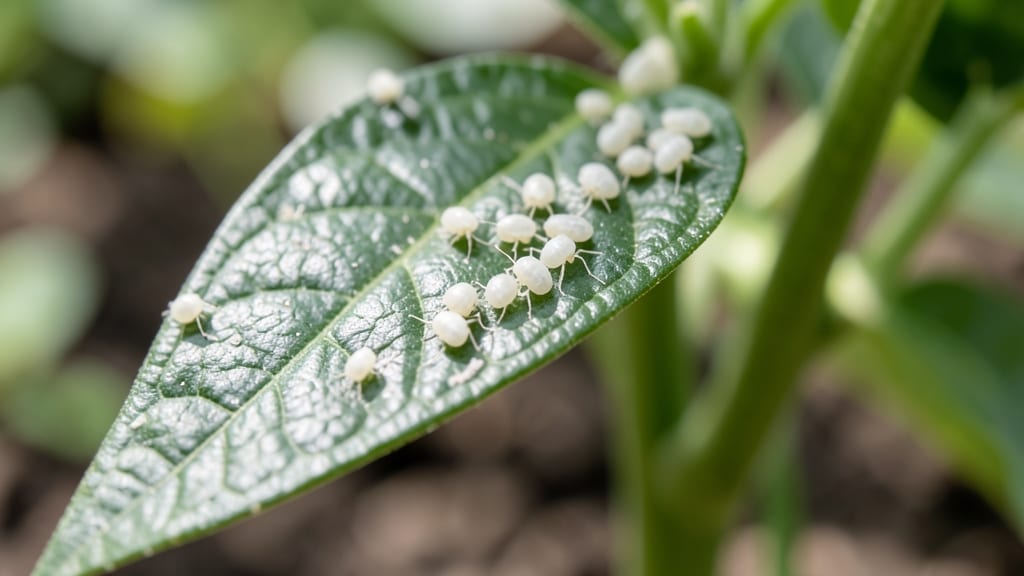
Those little white bugs on your pepper plants aren’t just annoying—they’re sucking the life out of your harvest. 🌱 I’ve battled them in every season, and the key is acting fast before they turn your plants into sticky, yellowed messes.
Most people assume they’re aphids, but whiteflies and mealybugs are just as likely culprits.
The damage starts small: curled leaves, sticky residue (that’s honeydew), and ants trailing up your plants. I learned the hard way that waiting a week to act means losing half your peppers.
The good news? Organic fixes like neem oil or insecticidal soap work just as well as chemicals—if you apply them correctly.
Within 48 hours of treatment, you’ll see fewer bugs, and in 7-10 days, your plants bounce back with fresh green leaves. The secret is consistency: check daily for new eggs and repeat sprays every 5-7 days until the infestation disappears.
Prevention is even simpler—introduce ladybugs or lacewings, and they’ll eat the pests before they become a problem. Works for tomatoes, eggplants, and other veggies too. Let’s get those peppers back on track!
Why it happens
Those little white bugs wreaking havoc on your pepper plants aren’t just random pests—they’re often the result of specific environmental triggers, plant vulnerabilities, or even human habits. Understanding why these tiny intruders show up is half the battle in keeping your garden thriving.
Let’s break down the most common causes, backed by science, so you can outsmart them before they multiply.
🌱 Weakened Plants Invite Trouble
Pepper plants under stress are like open invitations to pests. When your plants are nutrient-deficient, overcrowded, or struggling with disease, their natural defenses weaken, making them prime targets for white bugs like aphids, whiteflies, or mealybugs.
- Nutrient Deficiency: A lack of nitrogen, phosphorus, or potassium (common in poor soil) makes plants less resilient. Whiteflies, for example, are drawn to stressed plants because their weakened sap is easier to feed on.
- Overwatering or Underwatering: Both extremes create ideal conditions for pests. Mealybugs thrive in damp, humid environments, while aphids prefer plants that aren’t getting enough water, as their sticky honeydew attracts fungal growth.
- Disease or Fungal Infections: Plants already battling powdery mildew or bacterial spots are more susceptible to secondary pest infestations. Whiteflies often move in after fungal damage, as the compromised plant can’t fend them off.
Actionable Fix: Conduct a soil test to check nutrient levels, ensure proper drainage, and space plants for airflow. A balanced fertilizer (like a 10-10-10 NPK ratio) can bolster plant health before pests arrive.
🌿 Warm, Humid Conditions Create Pest Hotspots
White bugs love warmth and humidity—think of them as the tropical vacationers of the insect world. Pepper plants in greenhouses, conservatories, or even outdoor gardens during summer heatwaves become breeding grounds for pests like whiteflies and scale insects.
| Pest | Why They Love Heat/Humidity | Signs They’re Thriving |
|---|---|---|
| Whiteflies | High temperatures speed up their reproduction cycle (up to 10 generations per year in warm climates). | Clouds of tiny white bugs when disturbed; yellowing leaves (from sap-sucking). |
| Mealybugs | Humidity prevents their waxy coating from drying out, keeping them hydrated and active. | Cotton-like clusters in leaf axils; sticky residue (honeydew) on lower leaves. |
| Aphids | Warm nights prevent their natural predators (like ladybugs) from hunting them effectively. | Curled leaves; black sooty mold (from honeydew) on stems. |
Actionable Fix: Increase air circulation with fans, avoid overhead watering (which raises humidity), and use row covers in early summer to delay pest arrival.
🌍 Cross-Contamination from Nearby Plants
Pests don’t respect property lines. If your neighbor’s tomato plants are infested with whiteflies or your local nursery sold contaminated seedlings, your pepper plants are at risk. These bugs hitchhike via wind, water, or even your gardening tools.
- Windborne Spread: Whiteflies can travel up to 10 miles in a day, while aphids ride breezes to new hosts.
- Water Splashes: Overhead irrigation or rain can disperse eggs and nymphs from infested plants to healthy ones.
- Tool Transmission: Pruners, gloves, or even your hands can transfer pests between plants if not sanitized.
Actionable Fix: Inspect new plants for 1–2 weeks in quarantine before adding them to your garden. Keep tools clean with a 70% isopropyl alcohol wipe between uses.
🍃 Poor Garden Hygiene Attracts Pests
Pests thrive in messy gardens. Debris, fallen leaves, and old plant matter provide hiding spots, shelter, and food for their eggs and larvae. For example:
- Mealybugs lay eggs in cracked bark or leaf litter, emerging when new growth appears.
- Whitefly pupae attach to the undersides of leaves but can survive in soil or mulch for months.
- Aphids overwinter in weeds or plant debris, ready to reinfest in spring.
Actionable Fix: Practice regular cleanup—remove fallen leaves, mulch properly (2–3 inches away from stems), and rotate crops yearly to disrupt pest life cycles.
🔬 Chemical Imbalances in Soil or Water
Sometimes, the issue isn’t the bugs themselves but the unintended consequences of how we treat our plants. Overuse of synthetic fertilizers or hard water can create conditions that attract pests:
- High Salt Content: Over-fertilization or hard water leaves a salty residue on leaves, which whiteflies find irresistible.
- pH Imbalances: Soil pH below 6.0 can weaken pepper plants, making them more attractive to aphids.
- Synthetic Pesticide Residue: Some chemicals kill beneficial predators (like ladybugs or lacewings) faster than pests, leading to secondary infestations.
Actionable Fix: Test soil pH (aim for 6.0–7.0 for peppers) and flush soil with water if salts are present. Opt for organic, slow-release fertilizers to avoid chemical buildup.
Quick Fixes for Tiny White Invaders
Tiny white bugs on your pepper plants can feel like an all-out assault, but don’t panic—there are effective, organic solutions to reclaim your garden! The key is identifying the culprit first (likely aphids, mealybugs, or whiteflies) and then targeting them with the right tactics.
Below, we break down practical fixes for each common pest, plus prevention tips to keep your peppers thriving.
Aphids cluster on new growth, leaving sticky residue (honeydew) and stunted plants in their wake. Here’s how to evict them fast:
🔥 Manual Removal (Best for Small Infestations)
- 👨🍳 Step 1: Fill a spray bottle with soapy water (1 tsp mild dish soap + 1 quart water).
- 🥘 Step 2: Spray directly on aphids in the morning (soapy water dries out their waxy coating).
- 🔪 Step 3: Wipe off clusters with a damp cloth or blast them off with a strong stream of water.
- ⏰ Repeat: Every 2–3 days until gone.
🌿 Natural Predators (Long-Term Defense)
- Ladybugs & lacewings are aphid-eating superheroes. Buy them online or attract them with dill, fennel, or marigolds.
- 💡 Pro Tip: Avoid chemical sprays—predators will die too!
🌡️ Homemade Sprays (Non-Toxic & Effective)
| Spray | Recipe | How to Use |
|---|---|---|
| Neem Oil | 1 tbsp neem oil + 1 tsp soap + 1 gal water | Spray evenly (avoid flowering peppers). |
| Garlic Pepper Spray | 2 cloves garlic + 1 tsp cayenne + 1 qt water (steep 24 hrs) | Strain and spray daily for 3 days. |
| Alcohol Spray | 1 part rubbing alcohol + 3 parts water | Spray directly on clusters (kills on contact). |
These fluffy white pests hide in crevices, sucking juices and weakening plants. Scrape them off first, then treat:
🔪 Mechanical Control (First Line of Defense)
- 🍳 Step 1: Dip a cotton swab in rubbing alcohol (70%+).
- 👨🍳 Step 2: Gently dab each mealybug—they’ll dissolve instantly.
- 🌿 Step 3: Wipe sticky residue with a soapy cloth.
🌱 Systemic Solutions (For Stubborn Infestations)
- 💡 Pro Tip: Use horticultural oil (like Safer’s 3-in-1)—spray thoroughly (including undersides of leaves).
- ✨ Organic Option: Kaolin clay (like Surround WP) creates a barrier they can’t cross.
🌡️ Prevention: Keep Them Out
- 🎯 Inspect new plants before bringing them home.
- 🌿 Plant companion herbs (basil, oregano) to repel mealybugs.
- 🌡️ Avoid overwatering—they love damp, crowded conditions.
These tiny white moths swarm when disturbed and transmit viruses. Act fast!
🕷️ Yellow Sticky Traps (Best Early Detection)
- 🎯 Hang yellow cards coated with petroleum jelly near plants.
- ⏰ Check daily—if you see 5+ flies, it’s time to strike.
💨 Blast Them Away (Physical Removal)
- 👨🍳 Step 1: Shake plants vigorously over a bucket of soapy water.
- 🥘 Step 2: Repeat every 2–3 days for 2 weeks.
🌿 Biological & Chemical-Free Sprays
| Method | How It Works | Frequency |
|---|---|---|
| Neem Oil | Disrupts their life cycle. | Every 5–7 days. |
| Insecticidal Soap | Breaks down their waxy coating. | Every 3–4 days. |
| Beneficial Nematodes | Microscopic worms that kill larvae. | Apply to soil (best at night). |
🌡️ Long-Term Whitefly Blockade
- 🌿 Use reflective mulch (aluminum foil or silver plastic) to disorient them.
- 🎯 Space plants for better airflow (whiteflies love humidity).
- 🌱 Rotate crops yearly to prevent buildup.
Even after eradication, stop future invasions with these habits:
- 💡 Regular inspections (check undersides of leaves weekly).
- 🌿 Healthy soil = strong plants (use compost, avoid over-fertilizing).
- 🌡️ Water at the base (not overhead) to discourage pests.
- 🎯 Companion planting (marigolds, nasturtiums, and basil repel many bugs).
- 🌱 Clean up debris (pests hide in old leaves and stems).
Final Thought: Most tiny white pests can be eliminated in 2–3 weeks with consistency. Start with manual removal, then reinforce with natural sprays and preventive habits. Your pepper plants will be back to thriving in no time! 🌶️💪
Frequently asked questions
Are those little white bugs on my pepper plants harmful?
Yes, they can be very damaging! These tiny pests—likely aphids, whiteflies, or mealybugs—suck plant sap, weaken your peppers, and spread diseases. Without treatment, they’ll stunt growth, cause yellowing leaves, and reduce your harvest. Act within 48 hours for best results.
How do I tell if they’re aphids, whiteflies, or mealybugs?
Check their size, movement, and location: Aphids are tiny (1/16 inch), slow-moving, and cluster on new growth. Whiteflies (1/16 inch) flutter when disturbed and hide on leaf undersides. Mealybugs are cottony white and hide in leaf crevices. Use a magnifying glass for close inspection.
Will neem oil or insecticidal soap really work?
Both are highly effective when applied correctly. Mix 1 tablespoon neem oil (or 1 teaspoon insecticidal soap) with 1 quart water and spray thoroughly, covering both leaf surfaces. Repeat every 5–7 days until the infestation disappears. Apply in early morning or late evening for best results.
Can I save my pepper plants if they’re already heavily infested?
Yes, but you’ll need aggressive action. Start with manual removal (wipe off bugs with soapy water), then apply a systemic treatment like horticultural oil or neem oil. For severe cases, consider beneficial nematodes (microscopic worms that kill larvae in the soil). With consistent care, your plants can recover in 2–3 weeks.
How can I prevent these bugs from coming back next year?
Focus on plant health and hygiene: Rotate crops yearly, remove plant debris, and water at the base (not overhead). Introduce companion plants like marigolds or basil to repel pests. Regularly inspect new plants before adding them to your garden, and use reflective mulch to deter whiteflies.