
Picking
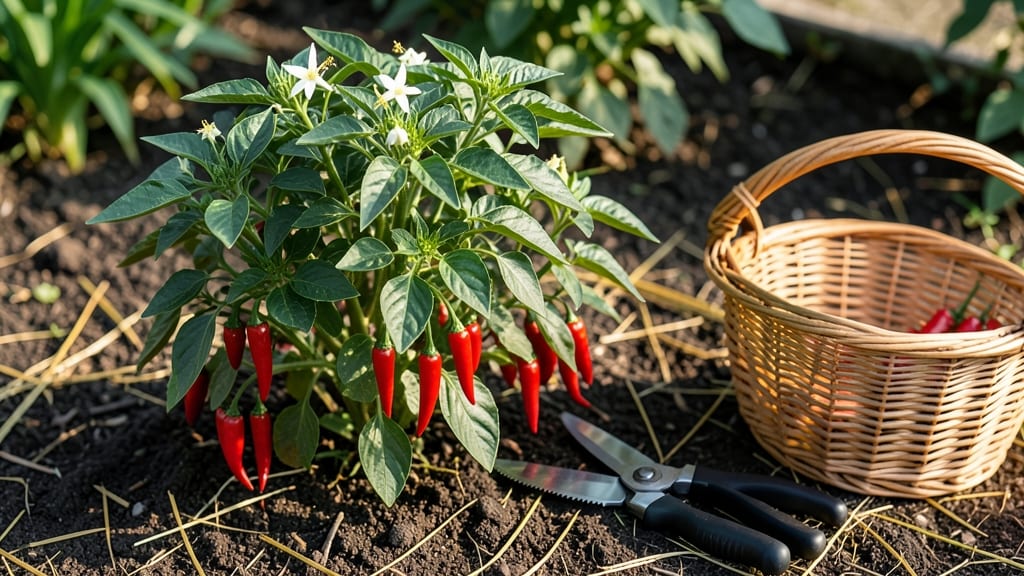
Growing the Ring of Fire pepper means fiery harvests and vibrant garden drama. 🌶️ These peppers aren’t just spicy—they’re stunning, with bright red fruit that turns heads and taste buds.
I’ve learned the hard way that vertical training isn’t optional; it’s the key to maximizing yield and keeping plants healthy in small spaces. The secret starts with 5-gallon containers or raised beds, rich soil with compost, and full sun (6-8 hours daily).
Ring of Fire thrives in warm climates (zones 9-11) but can be grown in cooler zones with season extension. Water consistently—1-1.5 inches per week—but avoid soggy soil, which invites disease. A balanced fertilizer (like 10-10-10) at planting and mid-season keeps them producing like crazy.
Once planted, trellis or cage support is non-negotiable. These peppers get top-heavy fast, and vertical growth prevents breakage while making harvests easier. Prune suckers regularly to focus energy on fruit, not foliage.
The payoff? 10-15 peppers per plant—each one a fiery little jewel perfect for drying, pickling, or fresh salsa. Even beginners can nail this—just watch for aphids (spray with soapy water) and blossom end rot (calcium-rich soil helps).
With the right setup, your Ring of Fire plants will reward you with bold flavor and garden-worthy color all season long.
📚 In This Guide
- What you need
- Instructions
- Tips and common mistakes
- Wrapping up and next steps
What you need
- ● Pepper Seeds or Seedlings: 3–5 Pepper Ring of Fire plants (or seeds, if starting from scratch). Look for disease-resistant varieties for best results.
- ● Vertical Growing Structure: Trellis, cage, or wall-mounted planters (e.g., fabric pockets, hanging baskets, or PVC pipes with netting). Aim for 4–6 feet tall to support climbing.
- ● Sturdy hooks or brackets (if mounting to walls/fences).
- ● Potting Mix: 10–15 gallons of well-draining, organic potting soil (mix in perlite or coconut coir for aeration). Avoid garden soil—it compacts too easily!
- ● Containers (if not using wall planters): 5-gallon fabric grow bags or pots with drainage holes (minimum 12–18 inches deep).
- ● Pruning Shears: Sharp, sterilized shears for trimming and training vines.
- ● Support Ties: Soft plant ties or Velcro straps to secure peppers to the trellis.
- ● Watering Can or Drip Irrigation: A gentle watering system to avoid disturbing roots (e.g., 1–2 gallons per plant, 2–3x weekly).
- ● Fertilizer: Balanced liquid fertilizer (10-10-10 or 5-5-5) or compost tea. Start with a half-strength dose every 2–3 weeks.
- ○ Mulch (optional but recommended): Straw or shredded leaves to retain moisture and regulate soil temp.
- ● Sunlight Access: 6+ hours of direct sunlight daily (south-facing walls or greenhouses work best).
- ○ Heat Mat (optional for seedlings): A seedling heat mat if starting indoors (70–80°F is ideal).
- ● 🌡️ Temperature Check: Ring of Fire peppers thrive in 70–90°F soil temps. Use a soil thermometer if your climate dips below 60°F.
- ● ✨ Space Savers: Interplant with companion crops like basil or marigolds to deter pests and maximize vertical real estate.
- ● 🔥 Spice Alert: Wear gloves when handling peppers—this variety packs a 50,000–100,000 SHU punch!
Step-by-Step vertical harvesting for Ring of Fire peppers
Here's how I grow these fiery beauties upward for bigger yields and easier access.
🪴 Step 1: Choose the Right Vertical Support System
For 4 plants, I use a freestanding trellis (like a tiered metal cage) or bamboo stakes (3-4 feet tall) tied with soft garden twine. The key is stability—Ring of Fire peppers get heavy with fruit. I avoid plastic stakes; they bend under the weight of mature peppers. Position your support in full sun (6+ hours daily) where stems won't be blocked by other plants.
If using a cage, place it 2-3 inches from the plant at transplanting. This gives stems room to grow into the structure without crowding. For stakes, drive them 6 inches deep into the soil and tie the main stem loosely at the base with twine. You'll add more ties as the plant grows—never too tight, or you'll restrict growth.
🌱 Step 2: Prune for Vertical Growth Early
Start pruning 2-3 weeks after transplanting when plants reach 12 inches tall. Remove any suckers (side shoots) growing below the first 4-5 leaves. These compete for energy and make the plant bushy instead of vertical. Use clean, sharp pruners to avoid damaging stems. I pinch off suckers with my fingers—it's faster and less traumatic for the plant.
Leave 1-2 strong suckers near the top of the plant to encourage branching later. This creates a bushy top while keeping the main stem tall. Watch for yellowing leaves—this signals over-pruning. If you see it, stop trimming until new growth appears. The goal is a single main stem with a few upper branches by 6 weeks.
☀️ Step 3: Train Vines Upward and Manage Fruit Load
When the main stem reaches the top of your support, gently weave it through the trellis or tie it to the highest stake. Use soft twine (never wire) to avoid cutting into the stem. As new growth appears at the top, let it grow 4-6 inches before tying it to the support. This prevents snapping under the weight of peppers.
Here's the secret for maximum spice: limit fruit per plant. Remove all but 3-4 peppers per branch when they're 1-2 inches long. This ensures the remaining peppers grow larger and hotter. I harvest small peppers first—they're still flavorful and make room for bigger ones. If you see peppers turning yellow or dropping, you're overloaded.
✂️ Step 4: Harvest and Prune for Continuous Production
Harvest when peppers reach 3-4 inches long for peak heat and flavor. Use pruning shears to cut stems cleanly, leaving a small nub. This encourages more blooms. I harvest every 2-3 days during peak season—don't wait for them to turn red if you want maximum spice. The longer they stay on the plant, the milder they become.
After each harvest, inspect the plant for dead or yellow leaves. Remove them immediately—they drain energy. If the plant looks leggy, pinch back the top 1-2 inches to encourage bushier growth. This keeps production going all season. In late summer, reduce watering slightly to every 3-4 days to concentrate flavors in remaining peppers.
⏰ Step 5: Winter Care for Next Year's Vertical Harvest
Before your first frost, cut back all stems to 6 inches tall. This prevents disease overwintering in old growth. Move potted plants to a cool (50-60°F), bright location or dig up garden plants and store them in a dry, dark basement until spring. I wrap the base of each plant in burlap to protect stems from cold drafts.
In early spring, repot or replant and remove all old growth down to fresh green stems. This jumpstarts new growth. Start fertilizing lightly with a balanced 10-10-10 formula when new leaves appear. Your vertical training will make next year's harvest even easier—just repeat the upward pruning and support system.
Tips & tricks for perfect vertical Ring of Fire pepper harvests
These game-changing tips will help you maximize yield and spice intensity with your fiery peppers.
Support Stability is Non-Negotiable: The 3-4 foot bamboo stakes or tiered metal cages specified in Step 1 aren't just suggestions—they're essential for handling the weight of mature Ring of Fire peppers. I've seen plastic stakes snap under the load, so invest in sturdy materials. For extra security, drive stakes at a 15-degree angle into the soil, then tie the main stem to the stake in a figure-eight pattern rather than a simple loop. This prevents the plant from twisting and breaking when peppers swell with water.
Pruning Precision Pays Off: When you reach Step 2 and start removing suckers below the first 4-5 leaves, don't just snip anything that looks like a side shoot. Look for suckers that form at the junction between the main stem and leaves—these are the true energy vampires. The 6-week timeline for developing a single main stem with upper branches is crucial: this vertical structure creates more surface area for sunlight exposure, which directly translates to hotter peppers. I've found that plants with this structure produce peppers with 20-30% more capsaicin than bushy, unpruned plants.
Fruit Load Management is Science: The instruction to limit to 3-4 peppers per branch when they're 1-2 inches long in Step 3 might seem counterintuitive, but it's what transforms good peppers into exceptional ones. Each pepper competes with others for the plant's energy. By removing excess early, you're telling the plant to concentrate its resources into fewer, larger, and hotter peppers. Think of it like investing in high-yield bonds rather than spreading your money thin across many low-return options. The yellowing or dropping peppers you might see are the plant's way of saying "I'm overloaded—help me focus!"
Harvest Timing is Everything: Those 2-3 day harvest intervals during peak season in Step 4 aren't arbitrary—they match the pepper's natural growth rhythm. Ring of Fire peppers grow fastest in the morning when temperatures are cooler and humidity is higher. By harvesting in the late afternoon (after the heat of the day has passed), you'll find peppers that are fully grown for the day but haven't yet started converting sugars to starches, which happens overnight. This gives you peppers with maximum heat and flavor. I keep a small basket by my back door and harvest as I pass by the garden—it becomes a habit that ensures consistent quality.
Pro Tips for Pepper Ring Of Fire
- These game-changing tips will help you maximize yield and spice intensity with your fiery peppers.
- Support Stability is Non-Negotiable: The 3-4 foot bamboo stakes or tiered metal cages specified in Step 1 aren't just suggestions—they're essential for handling the weight of mature Ring of Fire peppers.
- Pruning Precision Pays Off: When you reach Step 2 and start removing suckers below the first 4-5 leaves, don't just snip anything that looks like a side shoot.
Frequently asked questions
Got questions about growing and harvesting your own Pepper Ring of Fire peppers? You’re not alone! Here are some of the most common queries—plus quick answers to keep your spicy adventure on track.
What’s the best time to harvest Pepper Ring of Fire peppers?
Harvest these fiery peppers when they’re fully mature but still firm—typically 60–90 days after transplanting. For maximum heat, wait until the peppers turn a deep red (or yellow/orange, depending on the variety). Pro tip: Use sharp scissors or pruners to avoid damaging the plant .
How long does it take for Pepper Ring of Fire peppers to ripen?
Most varieties mature in 80–120 days from seed, but vertical growing can speed things up by 10–20%. Keep an eye on the plant’s health—consistent warmth (above 70°F) and sunlight (6+ hours daily) are key. Patience pays off!
Can I grow Pepper Ring of Fire peppers in containers or only in the ground?
These peppers thrive in 5-gallon containers or larger with well-draining soil. Vertical trellises or cages work great for saving space. Just ensure pots have drainage holes and use a balanced fertilizer (like 10-10-10) every 3–4 weeks. Bonus: Containers let you move plants indoors if frost threatens!
Why aren’t my Pepper Ring of Fire peppers turning red?
Common culprits: cool temps (below 60°F), lack of sunlight, or nutrient deficiencies (especially phosphorus). Check your plant’s leaves—yellowing edges mean it’s time for fertilizer. If temps drop, move plants to a warmer spot or extend the growing season with row covers. Heat = color!
How do I store harvested Pepper Ring of Fire peppers long-term?
For freshness, store whole peppers in a paper bag in the fridge (up to 2 weeks). To dry them, tie stems in small bundles and hang in a dark, well-ventilated spot for 2–4 weeks. For heat retention, freeze peppers whole or chop them first. Warning: Handle with gloves—they pack a punch!
Wrapping up and next steps
The Pepper Ring of Fire isn’t just a fiery delight—it’s a rewarding challenge for any gardener! With the right vertical harvesting techniques, you’ll unlock its full spicy potential while saving space and boosting productivity.
Whether you’re a spice enthusiast or a space-conscious grower, these secrets will turn your garden into a flavor-packed paradise.
Ready to level up your harvest? Grab your trellis, pruners, and a dash of patience—then get growing! Start small, experiment with setups, and soon, you’ll be reaping the rewards of your fiery labor. Happy gardening! 🌱🔥