
Planting
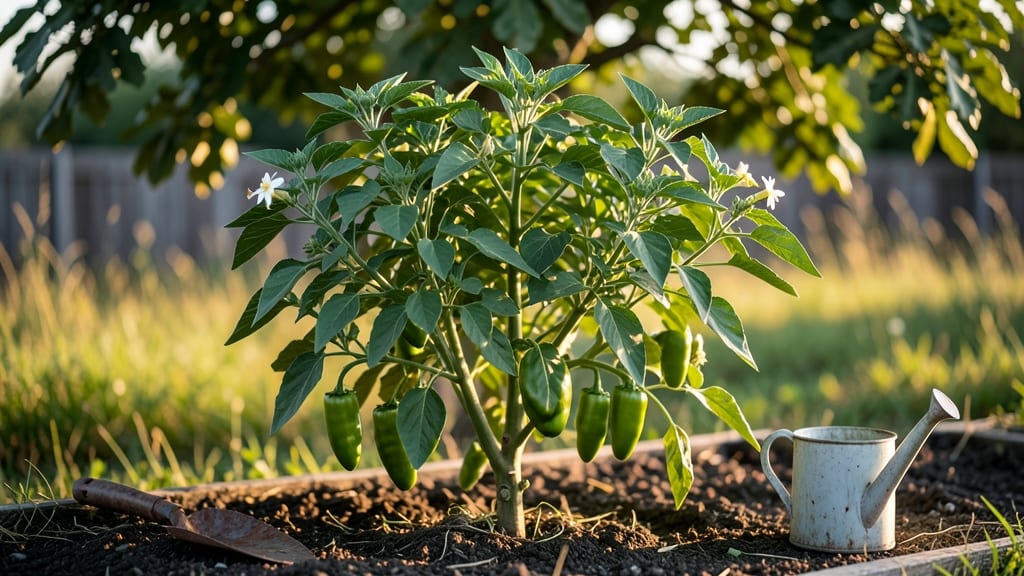
A peppercorn plant looks nothing like the pepper shakers on your spice rack—it’s a lush, climbing vine with star-shaped leaves and tiny black berries that pack serious heat. 🌿 If you’ve ever wondered why your pepper plant doesn’t resemble store-bought peppercorns, this is why: the vine itself is the star, not the dried pods you know.
The leaves are glossy, deep green, and arranged in a spiral pattern along woody stems that can climb 15-20 feet with the right support. At maturity, the plant produces small white flowers that eventually turn into the peppercorns—those tiny, round berries that start green and ripen to black.
Black peppercorns come from the Piper nigrum variety, while white peppercorns are the same plant’s seeds, processed differently. The vine thrives in tropical climates but can also grow indoors in pots with warm, humid conditions, making it a striking houseplant for collectors. What makes it stand out?
The twining habit—it doesn’t sprawl like ivy but coils tightly around trellises or other plants, creating a dense, green curtain. Seedlings start small with heart-shaped leaves, but as they mature, those leaves transform into the iconic star shape.
If you’re shopping at a nursery, look for vines with glossy foliage and a woody base—those are your peppercorn candidates. The real magic happens in late summer when the flowers appear, followed by the peppercorns.
With patience, you’ll go from a curious vine to a homegrown spice producer—just don’t expect instant gratification. These plants take 2-3 years to fully mature and produce serious harvests, but the journey is worth it for any plant enthusiast.
📚 In This Guide
- What you need
- Instructions
- Tips and common mistakes
- Wrapping up and next steps
What you need
- ● Peppercorn seeds: 5–10 seeds (ensure they’re fresh, preferably from a reputable supplier).
- ● Growing containers: Seedlings: 3–4 inch pots (2–3 per seedling).
- ● Mature plant: 10–15 gallon container (or larger if growing outdoors).
- ● Well-draining potting mix: 2–3 bags (look for a blend with perlite or sand for aeration).
- ○ Grow lights or sunny window: Full-spectrum LED grow lights (optional but helpful for indoor setups).
- ● Watering can with a fine rose: 1 (avoid overwatering—peppercorns hate soggy roots!).
- ● Humidity dome or plastic wrap: 1 (to retain moisture during germination).
- ● Support structure: Trellis, bamboo stakes, or obelisk (6–8 feet tall for climbing vines).
- ● Twine or plant ties (to secure the vine as it grows).
- ● Slow-release fertilizer: 1–2 pellets or granules (for nutrient boosts).
- ● pH testing kit: To monitor soil acidity (ideal range: 6.0–7.0).
- ● Pruning shears: Sharp, clean pair (for shaping and harvesting).
- ● Mulch: Organic mulch (e.g., straw or wood chips) to retain soil moisture.
- ● Plant labels: To track varieties (especially if growing multiple plants).
Identifying a peppercorn plant: key visual traits to spot in your garden
Here's how to recognize this fascinating vine—its leaves, flowers, and berries are unmistakable once you know what to look for.
🌿 Step 1: Observe the Distinctive Star-Shaped Leaves
The peppercorn plant's most recognizable feature is its palmate, star-shaped leaves with 5-7 pointed lobes that resemble a delicate hand. Each leaf grows on a long, slender stem and typically measures 2-4 inches wide, with a deep green color that's slightly glossy on top. The veins radiate outward like spokes, creating that signature starburst pattern.
Run your fingers along the leaf edges—they're slightly serrated along the veins but smooth between them. Unlike maple leaves, the lobes don't taper to a sharp point but instead end in rounded tips. This leaf structure helps distinguish it from similar vines like Virginia creeper, which has more triangular leaflets.
✂️ Step 2: Examine the Twining Growth Habit
Peppercorn plants are vigorous twining vines that climb using tendrils—thin, thread-like extensions that coil around any available support. You'll notice these tendrils emerging from the leaf axils (where the leaf meets the stem) and wrapping tightly around trellises, fences, or even other plants. A mature vine can reach 15-20 feet if given proper support.
The stems themselves are smooth and green when young, developing a light brown, woody texture as they mature. Unlike some climbing plants that grow in straight lines, peppercorn vines often develop zigzag patterns as they spiral upward. This growth habit is one of the plant's most distinctive characteristics.
🌸 Step 3: Identify the Unique Flower Clusters
In late spring to early summer, peppercorn plants produce small, fragrant white flowers arranged in dense, spherical clusters at the ends of stems. Each flower is about ½ inch wide with 5 delicate petals that radiate outward like a tiny star. The flowers are highly aromatic, with a sweet, spicy scent that's strongest in the morning.
What makes these flowers distinctive is their hairy appearance—both the stems and flower clusters are covered in fine, soft hairs. This fuzziness continues onto the developing fruit. The flowers attract pollinators like bees and butterflies, which helps with fruit production. If you see these flower clusters, you're definitely looking at a peppercorn vine.
🫒 Step 4: Spot the Tiny Black Berries
The peppercorn plant's namesake feature is its small, round berries that start green and gradually turn deep purple-black when mature. These berries grow in dense clusters that resemble tiny grapes and typically measure ¼ inch in diameter. Each berry contains 1-2 seeds that are the source of true peppercorns when properly processed.
Here's the key identification point: these berries remain on the plant through winter and only drop when fully ripe. Unlike many garden fruits that fall to the ground when mature, peppercorn berries stay attached until they're ready to be harvested. This persistent fruit display is one of the plant's most reliable identification markers.
🌳 Step 5: Compare to Similar Vines in Your Region
To confirm your identification, compare the peppercorn plant to common lookalikes like Virginia creeper (which has blue-black berries and more triangular leaves) or bittersweet (which has red-orange berries in pairs). Peppercorn leaves are always palmate (lobed from a single point) while Virginia creeper leaves are compound (multiple leaflets on a single stem).
Another distinguishing feature is the peppercorn vine's lack of thorns—unlike many climbing roses or blackberries that have protective spines, peppercorn stems remain smooth throughout their growth. This combination of star-shaped leaves, twining habit, white flower clusters, and persistent black berries creates a distinctive profile that's hard to mistake once you've seen it.
Tips & tricks for mastering peppercorn plant identification
These key insights will help you confidently spot peppercorn plants in your garden or beyond—no gardening degree required.
Leaf Detail Matters: When examining those star-shaped leaves in Step 1, focus on the rounded tips and slight serration along veins. Hold a leaf up to natural light—you should see the glossy top and smooth underside that distinguishes it from similar vines. Confusion often comes from mistaking peppercorn leaves for maple leaves; remember, peppercorn lobes never form sharp points like maple leaves do.
Growth Habit Clues: In Step 2, pay special attention to the zigzag pattern of mature stems. While young stems are smooth and green, the distinctive spiral growth becomes more pronounced as the vine matures. This isn't just aesthetic—it's a survival adaptation that helps the vine climb efficiently. If you're comparing to Virginia creeper, note that peppercorn vines never develop thorns, which is a quick elimination factor for many lookalikes.
Seasonal Timing: The flower clusters in Step 3 appear in late spring to early summer, but their hairy texture is what truly sets them apart. Run your finger over the flower stems—the fine hairs are unmistakable. This fuzziness continues onto the developing berries, creating a velvety texture that's different from other climbing plants. The flowers' sweet-spicy scent is strongest in the morning, so that's the best time to examine them closely.
Berry Persistence: The most reliable identification feature is the berries' behavior in Step 4. While many garden fruits drop when mature, peppercorn berries remain on the plant through winter. This persistence is your best friend when identifying plants in colder months. Look for the deep purple-black color and ¼-inch diameter—these tiny berries are the plant's calling card and will stay attached until they're fully ready to be harvested or fall naturally.
Pro Tips for What Does Peppercorn Plant Look Like
- These key insights will help you confidently spot peppercorn plants in your garden or beyond—no gardening degree required.
- Leaf Detail Matters: When examining those star-shaped leaves in Step 1, focus on the rounded tips and slight serration along veins.
- Growth Habit Clues: In Step 2, pay special attention to the zigzag pattern of mature stems.
Frequently asked questions
Got questions about peppercorn plants? You’re not alone! Here are some of the most common queries—and their answers—to help you grow (or recognize) this fascinating vine.
How can I tell if my peppercorn plant is male or female?
Peppercorn plants (Schinus terebinthifolius) are dioecious, meaning male and female flowers grow on separate plants. Look for tiny, greenish-yellow flowers in spring. If the plant produces red berries that turn black, it’s female. If it only has flowers with no fruit, it’s male. Pro tip: Female plants are rarer and more valuable for culinary use!
Why aren’t my peppercorn plant’s leaves turning red in fall?
If your Brazilian pepper tree isn’t showing its signature red foliage, it might be due to lack of sunlight, over-fertilization, or young age (mature plants >3 years old typically turn red). Ensure it gets 6+ hours of sun daily and prune excessively green branches to encourage color. Patience helps—some varieties take years to develop vibrant hues!
Is the Brazilian pepper tree invasive in my area?
Yes! This plant is highly invasive in Florida, California, and the southeastern U.S. It outcompetes native species and can form dense thickets. If you’re in an invasive zone, check local regulations before planting. Opt for container growth or native alternatives like Schinus molle (California pepper tree), which is less aggressive.
Can I use peppercorns from my plant instead of store-bought?
Harvest fully black, ripe berries (they start green/red). Dry them in a low oven (170°F) for 1–2 hours or air-dry for 2–3 weeks. Crush them lightly for a fresh, aromatic peppercorn flavor—perfect for sauces, meats, or cocktails. Warning: Avoid overharvesting to keep your plant healthy!
Are peppercorn plants toxic to pets or kids?
While non-toxic to humans, Brazilian pepper berries can cause mild stomach upset in pets (especially dogs) if ingested in large quantities. Symptoms may include vomiting or diarrhea. Keep plants out of reach of curious pets or opt for pet-safe alternatives like Piper nigrum (true black pepper vine) if safety is a concern.
Wrapping up and next steps
Now that you’ve explored the peppercorn plant’s distinctive features—from its twining vines and star-shaped leaves to its tiny black berries—you’re ready to spot (or grow!) this unique beauty in your garden or home.
Whether you’re a plant enthusiast or just curious, recognizing these traits makes identifying peppercorn plants a breeze. 🌿
Ready to take the next step? Consider growing your own—start with a cutting or seed, and soon you’ll have a lush vine adding charm to your space. Happy planting! 🌱