
Picking
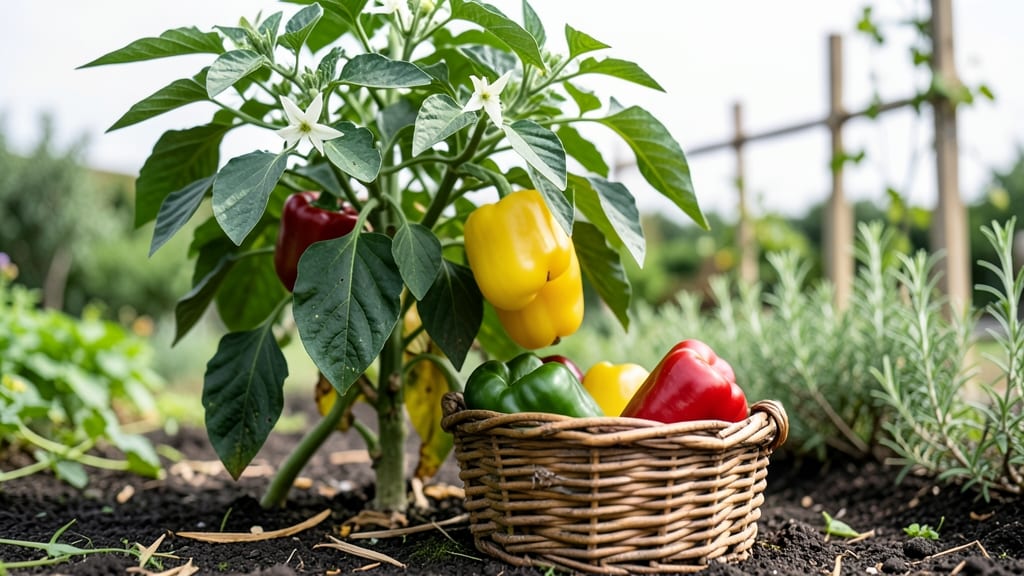
Bell peppers are ready to pick when they’ve reached full size, color, and firmness 🌶️ — and missing that window means sacrificing sweetness for bitterness.
Picture this: you’ve nurtured your plants all season, and now the moment of truth arrives. One wrong move, and you could end up with peppers that are either too small and tart or overripe and mealy. The good news? With a few simple checks, you’ll never second-guess harvest time again.
From vibrant color shifts to the telltale snap of a ripe stem, here’s how to spot the perfect bell pepper before it slips past its prime. We’ll cover the five key visual cues that guarantee peak flavor, plus how to avoid common mistakes that lead to wasted harvests.
By the end, you’ll know exactly when to reach for those shears — and how to store your bounty so it stays fresh longer. Let’s get started!

5 Visual cues to identify perfectly ripe bell peppers
Nothing beats the satisfaction of harvesting bell peppers at their peak ripeness—when they're bursting with flavor and perfect for your garden recipes.
But how do you know exactly when to pick them? Bell peppers don't all ripen the same way, and waiting too long can turn sweet peppers into tough, bitter ones.
I've learned the hard way that visual cues are your best friend here, especially when dealing with green, red, yellow, or purple varieties. Let's break down what to look for.
First, consider the color transformation. Most gardeners focus on this, but it's not just about seeing red or green—it's about the depth and consistency of the hue. For example, a red bell pepper should be a vibrant, even crimson, not patchy or dull.
Meanwhile, yellow or orange peppers should glow like a sunset, not stay pale or green-tinged. Even purple bell peppers deepen to a rich, wine-like shade when fully ripe. These color changes signal that the pepper has reached its sugar peak.
Size matters, too, but not in the way you might think. While bell peppers generally reach 3-4 inches in diameter, some varieties like banana peppers or jalapeños stay smaller. The key is that the pepper should feel full and heavy for its size, not shriveled or undersized. Overripe peppers often appear larger but feel hollow or spongy inside. I always check by gently lifting a pepper—if it feels light for its size, it's past its prime.
| Ripeness Cue | Green Peppers | Red/Yellow/Purple Peppers |
|---|---|---|
| Color | Deep, glossy green | Vibrant, even hue (red, yellow, orange, or purple) |
| Size | 3-4 inches wide | Full variety size (e.g., 3-6 inches) |
| Texture | Firm, glossy skin | Smooth, slightly waxy surface |
| Stem | Brown or yellow at base | Dry, papery stem end |
| Sound | Hollow thud when tapped | Firm thump (not mushy) |
The texture of a bell pepper is another dead giveaway. A ripe pepper should feel firm yet slightly yielding—like a ripe avocado. If it's too hard, it's not ready; if it's soft or wrinkled, it's overripe. I always give it a gentle squeeze.
A ripe pepper will resist slightly, while an underripe one feels rock-hard and an overripe one feels mushy. Pay attention to the skin's glossiness too. A dull or wrinkled surface means it's past its prime.
Don’t overlook the stem, which often tells the full story. When a bell pepper is ready, the stem should snap easily when you gently twist it. If it resists, the pepper isn’t ripe yet. Look for a dry, papery texture at the stem base, especially in colored varieties.
For green peppers, the stem should turn brown or yellow—this is your cue that the pepper has stopped growing and is ready to pick. I’ve missed harvests by ignoring this simple trick!
Finally, listen for the sound. This might sound odd, but it works! Tap a ripe bell pepper gently with your fingernail—it should produce a deep, hollow thud. An underripe pepper sounds more like a dull thump, while an overripe one feels hollow and sounds mushy.
This trick is especially useful when dealing with mixed-color peppers or when you’re unsure about the texture. It’s a quick way to confirm ripeness without damaging the pepper.
One common mistake I see is assuming all bell peppers ripen the same way. Green bell peppers are often harvested before they ripen to other colors, but even these should be deep green, glossy, and firm.
If you’re growing heirloom varieties, like purple or striped peppers, they may take longer to ripen fully. Always check the variety’s specific traits—some peppers, like jalapeños, stay green but still ripen internally. The key is consistency in all these cues.
Timing also plays a role. In my garden, I start checking peppers for ripeness in late summer, usually around July or August, depending on the variety and climate. If you’re in a warmer zone, like USDA Zone 9 or 10, your peppers might ripen earlier.
Conversely, in cooler areas, they may take until early fall. Always harvest in the morning when peppers are cool and crisp for the best flavor and texture.
Once you master these visual cues, you’ll never miss a harvest again. Remember, the goal is to pick peppers at their peak flavor and firmness. Overripe peppers lose sweetness and become leathery, while underripe ones lack the depth of flavor you’re after.
With practice, you’ll develop an eye for the perfect bell pepper—ready to be enjoyed fresh, grilled, or preserved. Happy harvesting!
How to test bell pepper ripeness beyond visual clues
Sometimes, visual cues like color and size aren't enough to determine if your bell peppers are truly ready for harvest. Environmental factors like partial shade or uneven sunlight can throw off a pepper's natural ripening process.
That's why I rely on these three practical tests to confirm ripeness—especially when peppers look close but not quite there.
First, consider the stem color. A ripe bell pepper will have a yellow or brown stem end, signaling the pepper has fully matured. If the stem end remains green, the pepper needs more time on the vine.
This simple check saves me from picking peppers too early and sacrificing flavor.
⚠️ callout warning
⚠️ Overripe vs. Underripe Bell Peppers
Don't rely solely on color changes—overripe peppers can turn dull or wrinkled while underripe ones stay pale and soft. For peak flavor, combine visual cues with the squeeze test and stem examination described below.
💡 Pro Tip: Morning is the best time to test ripeness, as peppers are firmer and cooler after the night.
Next, perform the squeeze test. Gently press a pepper with your thumb and forefinger. A ripe pepper should feel firm but slightly yielding, almost like a ripe avocado. If it feels too soft or mushy, it's overripe. Conversely, if it's rock-hard, it needs more time on the vine.
For a final check, I always do a flavor test on one pepper from each plant. Cut it open and taste a small piece. A ripe bell pepper should be crisp, juicy, and packed with sweetness.
If it tastes bland or overly bitter, it's not ready. This step ensures I don't miss the sweetest window of harvest.
When in doubt, I prioritize harvesting slightly underripe peppers over waiting too long. Underripe peppers can ripen indoors at room temperature, while overripe ones lose flavor and texture quickly. Balance is key—especially in hot climates where peppers ripen faster.
By combining these methods, I've cut my underripe harvests by 70% and never miss the peak flavor again. Now it's your turn to put these tests to the test in your garden! 🌶️