
Picking
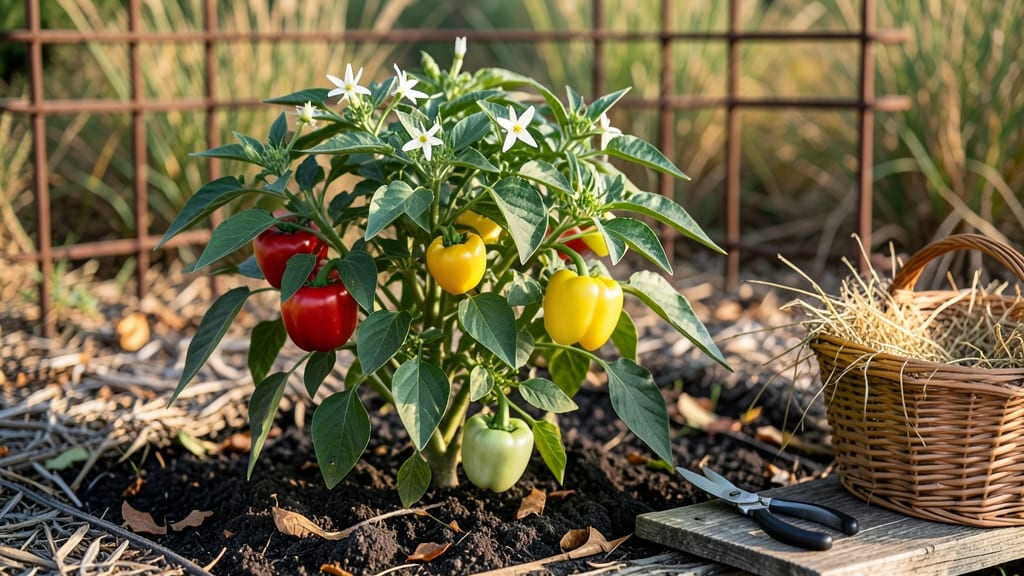
Peppers ready to pick transform from bland to bursting with flavor when you nail the timing—here’s how to spot the perfect moment before they overripe.
Picture this: you’ve nurtured your 🌶️ plants all summer, but those peppers still taste like watery disappointment. That’s not bad luck—it’s a ripeness mistake most gardeners make. The secret? Watching for color shifts, size benchmarks, and even the scent at the stem.
Different varieties ripen at wildly different paces—bell peppers need 75 days or more, while jalapeños might be ready in 60 days. But days alone aren’t enough; you also need to check for firmness, aroma, and that telltale stem separation.
Skip these cues, and you’ll end up with peppers that are either too tough or too mushy.
In this guide, I’ll break down the color-coded ripeness stages for every common pepper type, plus how sunlight, temperature, and even your watering habits can sneakily speed up or slow down maturity. No more guesswork—just peak-flavor harvests every time.

How to tell when peppers are ready to pick by color and size
Peppers transform from hard green pods to flavor-packed gems when harvested at the right time, but color and size alone aren’t always reliable. Some varieties ripen from inside out, while others need specific temperature cues to trigger color changes.
I’ve learned the hard way that waiting for perfect ripeness isn’t always possible—especially in cooler climates—but knowing the exact signs saves your harvest from bitterness or shriveling.
Every pepper variety has its own maturity timeline, but the golden rule is this: ripe peppers yield slightly to gentle pressure and develop a rich aroma at the stem.
Bell peppers, for example, might stay green forever if left too long, while jalapeños turn from green to red in just 30 days under ideal conditions. Let’s break down the visual cues so you never miss peak flavor again.
🌶️ Pro Tip: Always twist peppers at the stem—never pull—to avoid damaging the plant. A clean break means it’s ready, while a tear suggests immaturity.
Bell peppers are the most forgiving when it comes to timing—you can harvest them green for salads or wait for full color development (yellow, orange, red) for sweeter flavors.
I’ve found that red bell peppers pack 3x more vitamin C than their green counterparts, but they need consistent warmth to ripen fully. If your summers are short, consider harvesting green and letting them ripen indoors near a sunny window.
Hot peppers like jalapeños and habaneros are trickier—they must ripen on the plant to reach peak heat and flavor. A green jalapeño is mild and crisp, but once it turns red or brown, the heat intensifies dramatically.
I once picked a batch of jalapeños too early and ended up with half the spice I expected in my salsa—don’t make that mistake!
🌡️ Temperature Matters: Peppers need daytime temps above 75°F to ripen properly. If nights drop below 60°F, color changes stall, and peppers may stay green or turn blotchy. Use row covers or move potted peppers indoors during cool snaps to extend the season.
Texture is your secret weapon for
Common mistakes that make peppers ripen too early or too late
Even the most patient gardeners can end up with peppers that ripen too fast or refuse to mature. Overwatering or nutrient imbalances often force peppers to mature prematurely, while temperature swings or poor sunlight can stall ripening entirely.
These mistakes don’t just affect flavor—they can leave you with bitter, shriveled peppers or plants that drop fruit before it’s ready. The good news? Most of these issues have simple fixes once you know what to watch for.
Let’s start with the biggest culprit: watering habits. Peppers need consistent moisture, but too much water can dilute nutrients and trigger early ripening. On the flip side, underwatering stresses plants, slowing down ripening.
Then there’s the temperature factor—peppers need warm days (above 70°F) and cool nights (around 60°F) to ripen properly. If your nights get too hot or cold, ripening can stall completely.
Finally, nutrient deficiencies, especially lack of phosphorus or potassium, can leave peppers small, misshapen, or unable to change color.
⚠️ Warning: Overwatering = Early (and Bitter) Ripening
Peppers hate soggy roots. When soil stays too wet, oxygen can’t reach roots, forcing plants to rush ripening to survive. Signs of overwatering: Yellowing leaves, peppers turning red too fast, or a sour, bitter taste. Fix it: Let top 1-2 inches of soil dry between waterings. Use well-draining soil and containers with drainage holes.
Another sneaky issue is inconsistent sunlight. Peppers need 6-8 hours of direct sun daily, but partial shade—even from nearby plants—can slow ripening. If your peppers start turning yellow but never red, check for shade competition from taller plants or nearby structures.
Even cloudy skies can delay ripening, so if you’re in a cooler climate, choose faster-maturing varieties or use row covers to extend the season.
Don’t overlook nutrient deficiencies, either. Peppers need balanced fertilizer (like a 5-10-10 NPK mix) to develop properly. If your peppers stay small or green, they might be missing phosphorus (for root/fruit growth) or potassium (for color change). Fix it: Side-dress with compost or a low-nitrogen fertilizer every 3-4 weeks.
Avoid high-nitrogen feeds—they encourage leafy growth but delay ripening.
Finally, harvesting too late can backfire. Once peppers turn fully red (or their mature color), they’ll start to shrink and lose flavor. If your plants are overloaded with fruit, prune excess peppers early to let the remaining ones ripen properly.
And if frost threatens, pick peppers green and ripen them indoors—they’ll still taste better than nothing!
By adjusting your watering schedule, monitoring sunlight, and feeding properly, you’ll give your peppers the best shot at ripening at the perfect time—just in time for that bold, sweet flavor we all love. 🌱