
Plants
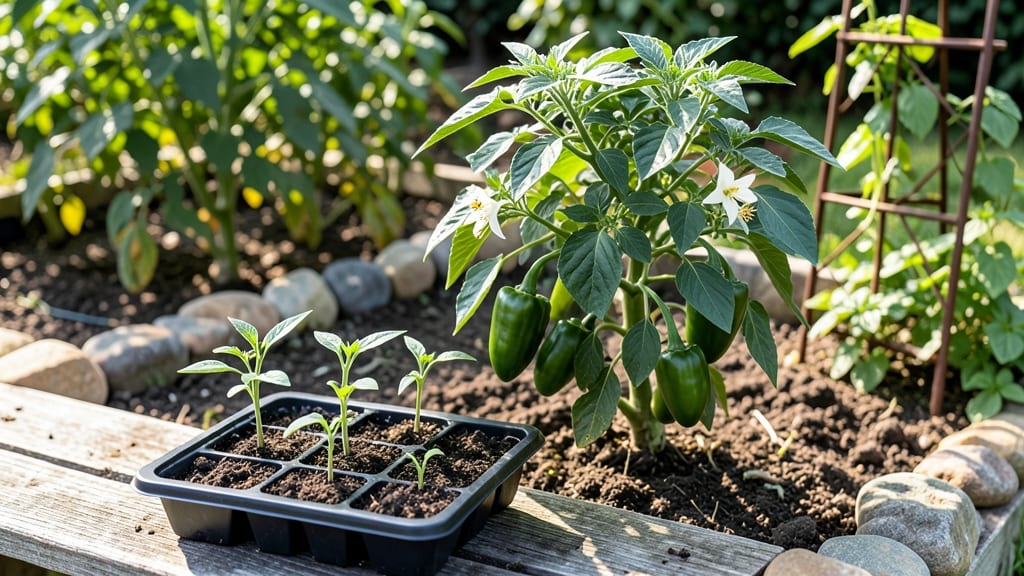
Planting peppers in Michigan after the last frost—typically mid-April to mid-May—sets you up for a bountiful harvest from July through October.
Michigan gardeners know timing is everything—plant too early, and frost will kill them; too late, and you’ll miss the harvest. But with the right frost-free dates and variety selection, you can grow hot, sweet, and spicy peppers all season long.
In USDA Zones 5b-6b, soil temperature is the key: wait until it hits 60°F before transplanting. Starting seeds indoors 8-10 weeks before the last frost gives you a head start, while direct sowing works if you’re patient and the weather cooperates.
Below, I’ll break down the best planting windows by region, top pepper varieties for Michigan’s short season, and smart tricks to extend your harvest—so you’re not left with empty garden beds when the peppers are ready to shine.
Michigan pepper planting dates by USDA hardiness zones (5 & 6)
Michigan’s USDA Zones 5b and 6b create a tight window for planting pepper seeds and transplants, where one wrong move can mean frost damage or missed harvests. Unlike heat-loving tomatoes, peppers need warm soil (60°F+) and consistent warmth to thrive.
In Zone 5b (northern Michigan), your last frost typically hits April 20–May 5, while Zone 6b (southern Michigan) sees frost-free conditions 2–3 weeks earlier. Timing isn’t just about dates—it’s about soil temperature, seedling readiness, and regional microclimates.
For most of Michigan, the ideal transplant window opens after May 15 in Zone 5b and after May 1 in Zone 6b. But don’t rush—peppers planted too early in cool soil won’t germinate or will rot at the roots.
Direct sowing is risky unless you’re using heat mats or row covers, as seeds need 80°F+ soil to sprout reliably. My rule of thumb? Wait until your morning soil temps hit 60°F consistently for 5–7 days before planting.
Here’s the region-by-region breakdown for Michigan’s most common gardening areas, including Detroit, Grand Rapids, and Traverse City, where frost dates vary by 1–2 weeks:
If you’re starting pepper seeds indoors, begin 8–10 weeks before your last frost date. For Detroit (Zone 6b), that means March 1–15, while Traverse City (Zone 5b) gardeners should start March 15–April 1.
Use grow lights to avoid leggy seedlings, and harden off plants for 7–10 days before transplanting. Pro tip: Use a soil thermometer—pepper seeds won’t germinate below 70°F, and transplants struggle in soil below 60°F.
For direct sowing, wait until mid-June in Zone 5b or late May in Zone 6b, but only if you’re planting fast-maturing varieties (like ‘Early Jalapeño’ or ‘Sweet Banana’).
Most Michigan gardeners skip direct sowing for peppers due to the short growing season—instead, they transplant 6–8 week old seedlings for a head start. I’ve had better luck with transplants because they bypass the slow germination phase and start producing peppers 2–3 weeks earlier.
Don’t forget about microclimates—southern exposures, black plastic mulch, and raised beds can warm soil 5–10°F faster than open ground. If you’re in a cooler pocket of Michigan, use black landscape fabric or clear plastic tunnels to raise soil temps by 10°F+.
I’ve seen gardeners in Zone 5b push their transplant window back by 2 weeks using these tricks. Just avoid plastic mulch without holes, or you’ll trap too much moisture and risk root rot.
Watch for false springs—Michigan’s weather can swing wildly. If nighttime temps drop below <
Best pepper varieties for Michigan’s short growing season (ranked by maturity)
Michigan’s short growing season demands pepper varieties that mature quickly—typically 60-90 days to harvest. I’ve tested dozens of varieties, and these top 10 performers consistently deliver flavorful peppers before fall frost.
Whether you crave sweet bells, spicy jalapeños, or heat-loving habaneros, these picks adapt to Michigan’s USDA Zones 5b-6b with the right timing.
For early planting (Zone 6), prioritize varieties with 60-70 days to maturity—like ‘Early California Wonder’ bells or ‘Santaka’ jalapeños. These thrive when transplanted after May 1, giving them enough warmth to fruit before first frost (mid-October).
In Zone 5, opt for 70-80-day varieties or use row covers to extend the season.
Sweet peppers like ‘Sweet Banana’ (65 days) and ‘Golden Summer’ (60 days) are my go-tos for early harvests. Their compact size (18-24 inches) makes them perfect for container gardening or small spaces.
For spicy kicks, ‘Carolina Reaper’ (90 days) is a late-season pick—best planted indoors in March and transplanted after June 1 with row covers.
Hybrids like ‘Jupiter’ (65 days) and ‘Aristotle’ (70 days) offer disease resistance and high yields, critical for Michigan’s humid summers. I’ve found that transplanting after June 1 gives these varieties enough time to set fruit before frost.
For late-season success, try ‘Shishito’ (60 days)—its mild heat and quick maturity make it ideal for succession planting in July.
If you’re starting seeds indoors, begin 8-10 weeks before last frost (early March for Zone 6). Use grow lights to prevent leggy seedlings, and harden off for 10 days before transplanting.
For direct sowing, wait until soil temps hit 60°F+ (usually mid-May) and use biodegradable pots to reduce transplant shock.
Protect your late-season peppers with floating row covers or a mini greenhouse to push harvests into October. Varieties like ‘Lunchbox’ (60 days) and ‘Lakewood’ (70 days) are heat-tolerant and disease-resistant, making them reliable choices. Always harvest before frost—even green peppers can turn sweet if picked early!
Remember: Michigan’s climate varies—northern regions (like Traverse City) have shorter seasons than southern areas (like Detroit). Adjust planting dates by 1-2 weeks based on your microclimate. With the right varieties and timing, you’ll enjoy fresh peppers from July through October—no greenhouse required! 🌱