
Companion Plants
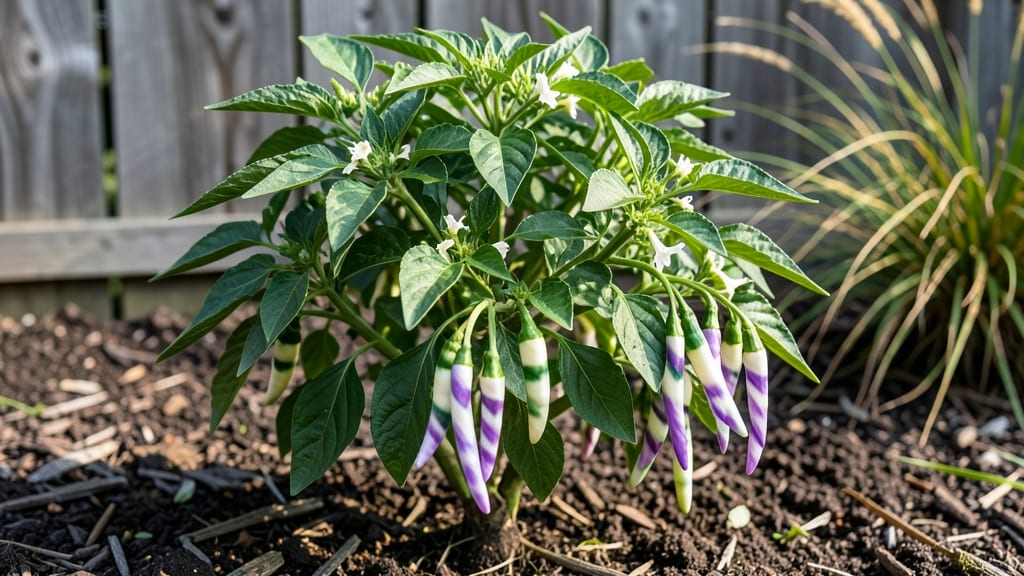
Growing Zinnia 'Peppermint Stick' plants transforms any garden into a vertical showstopper with their bold, candy-striped blooms. 🌸 I fell in love with these zinnias the first time I saw them climbing a trellis, their mint-and-white stripes catching the sunlight like confetti.
These aren’t just pretty faces—they’re tough, long-blooming stars that thrive when given a little vertical support, making them perfect for small spaces or container gardens.
The secret to their success starts with well-draining soil and full sun (at least 6 hours daily), but they’re surprisingly forgiving. Space plants 12-18 inches apart if growing in the ground, or tuck them into containers with sturdy stakes or obelisks for that dramatic pole-trained look.
Water deeply once a week—more in extreme heat—but avoid soggy soil, which invites fungal diseases like powdery mildew (their nemesis).
By midsummer, you’ll be snipping long-stemmed blooms for arrangements that last weeks in vases, their stripes popping against any backdrop. The more you deadhead spent blooms, the more flowers you’ll get—some plants keep producing until frost!
And here’s the best part: deer and rabbits usually skip these, so they’re low-maintenance survivors.
Whether you’re training them up a fence, a balcony trellis, or even a DIY teepee, these zinnias deliver months of color with minimal fuss. Start with a few plants, and you’ll be hooked—just don’t blame me when your neighbors ask where you got them!
The key is patience: give them time to establish, and they’ll reward you with eye-catching height and nonstop blooms all season long.
📚 In This Guide
- What you need
- Instructions
- Tips and common mistakes
- Wrapping up and next steps
What you need
- ● Zinnia Peppermint Stick Seeds: 10-20 seeds (or 1-2 starter plants if preferred).
- ● Vertical Trellis or Pole: A 5-6 foot tall sturdy trellis, bamboo stake, or metal cage (diameter: 4-6 inches).
- ● Well-Draining Potting Mix: 1-2 gallons of lightweight, organic mix (e.g., 60% potting soil + 40% perlite or coco coir).
- ● Container or Garden Bed: For containers: A 5-gallon pot with drainage holes (minimum 12" diameter).
- ● For ground planting: A sunny spot with 6+ hours of light and loose, fertile soil.
- ● Fertilizer: Balanced 10-10-10 or slow-release granules (follow package rates).
- ● Watering Can or Hose: With a gentle spray nozzle to avoid disturbing seedlings.
- ● Required: Hand trowel or small shovel.
- ○ Gloves (optional but recommended for soil handling).
- ○ Optional (for extra flair!): Twine or plant ties to secure vines to the trellis.
- ● Mulch (e.g., straw or wood chips) to retain moisture.
- ● Pruning shears for shaping (once plants mature).
- ● Sunny location (full sun, 6+ hours/day).
- ● Warm soil temps (55°F+ for direct sowing; start indoors if cooler).
- ● Patience! Zinnias thrive with consistent care but reward you with bold blooms.
How to create a stunning vertical garden with zinnias and peppermint stick plants
Here's how I transform two vibrant plants into a vertical masterpiece that saves space and steals attention.
🪴 Step 1: Select and Prepare Your Vertical Structure
Choose a sturdy trellis, obelisk, or tall container with built-in support that can hold 4-6 pounds of plant weight each. I prefer metal or wooden frames because they resist warping as plants grow. Clean the structure thoroughly with a 10% bleach solution (1 part bleach to 9 parts water) to kill any lingering pathogens that could harm your delicate seedlings.
For added stability, attach a 3-inch wide mesh screen or burlap strip vertically along one side of the trellis. This creates a natural climbing surface for the peppermint stick plants while giving zinnias something to lean against. Secure everything with galvanized staples—rust-proof and strong enough to last through summer storms. The key is ensuring your structure can handle at least 12 inches of vertical growth per plant without sagging.
🌱 Step 2: Plant Zinnias as Base Anchors
Start by planting 4 zinnias at the base of your vertical structure, spacing them 12 inches apart in a square formation. Use a trowel to dig holes just deep enough to accommodate the root balls without burying the stems. Zinnias thrive in full sun (6+ hours daily), so position your trellis where it gets morning light and afternoon shade to prevent wilting.
Fill the holes with well-draining potting mix (I blend 50% premium mix with 50% perlite for extra aeration) and press gently around the roots. Water immediately after planting to settle the soil—you'll know it's right when moisture reaches 2 inches deep. Here's the thing: zinnias need consistent moisture but hate soggy roots, so I water deeply every 2-3 days until the top inch feels dry.
☀️ Step 3: Train Peppermint Stick Plants Vertically
Once zinnias reach 6 inches tall (about 4-6 weeks after planting), it's time to introduce the peppermint stick plants. These aren't true peppermint varieties—they're ornamental grasses with striking purple stems that grow 4-6 feet tall. Plant them 6 inches away from the trellis so their roots can establish before they're asked to climb.
Gently tie the main stems to the trellis using soft plant ties (I avoid wire or plastic—they can damage stems as plants grow). Space ties every 12 inches vertically to distribute weight evenly. The peppermint stick plants will send out horizontal runners that you can weave through the mesh screen. Watch for new growth at the nodes—this is your signal to adjust ties as the plant elongates. Here's where it gets fun: the contrast between the zinnias' bold blooms and the grasses' delicate seed heads creates a textural masterpiece that lasts all season.
✂️ Step 4: Maintain and Prune for Maximum Impact
Zinnias need regular deadheading to encourage continuous blooming. Pinch off spent flowers just above the next set of leaves using clean, sharp scissors. I do this every 2-3 days during peak bloom—you'll see new buds forming within a week. For the peppermint stick plants, trim any overly leggy growth in early summer to promote bushier, more compact stems. This prevents them from flopping over and keeps the vertical design intact.
Fertilize lightly every 4 weeks with a balanced 10-10-10 formula diluted to half strength. Too much nitrogen makes zinnias grow leaves instead of flowers, and the peppermint stick plants become floppy. Real talk: I've learned the hard way that over-fertilizing turns my vertical garden into a jungle of foliage with no blooms. The goal is subtle support, not a feeding frenzy. Water at the base in the morning to prevent fungal diseases—wet leaves in evening light invite trouble.
🌿 Step 5: Extend the Season with Winter Care
When temperatures drop below 40°F, zinnias will die back completely, but the peppermint stick plants often survive as ornamental grasses. Cut back the zinnias to 2 inches above ground level and mulch the base with 2 inches of shredded leaves to protect roots. The peppermint stick plants can stay in place—just trim them back by half in early spring to encourage fresh growth. I've had mine return year after year, creating a living tapestry that's even more impressive the second season.
Here's the secret to long-term success: rotate your vertical garden every 2-3 years. The soil gets depleted, and pests build up. I dig out the entire structure, refresh the potting mix, and replant. The payoff? A low-maintenance, high-impact display that turns heads without taking up valuable ground space. Plus, you get cut flowers for arrangements and textural interest that no flat garden can match.
Tips & tricks for pole-trained vertical gardens
Here's what nobody tells you about making your vertical garden truly stand out.
Structure Stability: When attaching your 3-inch wide mesh screen or burlap strip in Step 1, use a level to ensure perfect vertical alignment. Uneven surfaces cause plants to grow at awkward angles, ruining the clean lines of your design. I also recommend pre-drilling holes for galvanized staples—this prevents splitting in wooden frames and makes assembly much faster. The 4-6 pound weight limit per plant is non-negotiable; if your trellis sags with just zinnias, reinforce with additional cross-bracing before adding peppermint stick plants.
Sunlight Strategy: The instructions mention morning light and afternoon shade, but here's the secret: position your vertical garden to catch east-facing morning sun first. This gradual warming prevents zinnias from wilting during peak afternoon heat. If you notice leaves curling by midday, move the structure slightly to extend the shade period. For urban balconies, white reflective mulch around the base can redirect up to 20% more light to the lower zinnias, ensuring even growth throughout the structure.
Climbing Technique: When training peppermint stick plants in Step 3, focus on securing the main stem first—this becomes the plant's anchor. I use soft plant ties spaced every 12 inches, but here's my game-changer: leave a 1-inch gap between the tie and the plant stem. As the plant grows, this gap prevents constriction that can strangle stems. Watch for new growth at the nodes—these are your natural branching points. Gently weave these through the mesh screen to create that cascading effect without forcing the plant.
Winter Care Hack: The 40°F threshold for winter care is precise, but don't wait until the last frost warning. Start preparing when nighttime temperatures consistently drop below 50°F. I've found that wrapping the trellis base with burlap before mulching adds an extra layer of insulation, especially for containers. For peppermint stick plants, trim back only the top half in early spring—this preserves the plant's energy while still encouraging fresh growth from the base nodes.
Pro Tips for Zinnia Peppermint Stick Plants
- Here's what nobody tells you about making your vertical garden truly stand out.
- Structure Stability: When attaching your 3-inch wide mesh screen or burlap strip in Step 1, use a level to ensure perfect vertical alignment.
- Sunlight Strategy: The instructions mention morning light and afternoon shade, but here's the secret: position your vertical garden to catch east-facing morning sun first.
Frequently asked questions
Got questions about growing Zinnia and Peppermint Stick plants together? You’re not alone! Here are some of the most common inquiries—plus quick answers to help you garden with confidence.
Can Zinnias and Peppermint Stick grow well together in the same pot?
These companions thrive together because zinnias love full sun (6+ hours daily) while Peppermint Stick’s trailing habit provides shade for roots. Just ensure the pot has drainage holes and use a well-draining soil mix. A 12-inch pot works for 1 zinnia + 1 Peppermint Stick plant.
How long does it take for Peppermint Stick to trail and cover a trellis?
Peppermint Stick is a fast grower! You’ll see noticeable trailing in 4–6 weeks after planting, with full coverage (6–8 feet) by mid-summer. For quicker results, pinch back tips early to encourage bushier growth. Pair it with zinnias for a vertical pop of color in no time!
Are there pests or diseases I should watch for with these plants?
Both zinnias and Peppermint Stick are relatively pest-resistant, but keep an eye out for aphids (especially on zinnias) and spider mites (if Peppermint Stick gets too dry). Prevent issues by:
- Watering at the base (not leaves) to avoid fungal spores.
- Using neem oil spray if pests appear.
- Ensuring good airflow around the trellis.
Can I grow Peppermint Stick indoors near a sunny window?
While Peppermint Stick can survive indoors, it won’t trail as vigorously without strong light. If you try it, place it in a south-facing window (6+ hours of sunlight) and supplement with a grow light if needed. Zinnias, however, require outdoor conditions—they won’t bloom well indoors.
What’s a good alternative if I can’t find Peppermint Stick?
Looking for a trailing companion? Try these zinnia-friendly alternatives:
- Sweet Potato Vine (fast-growing, vibrant colors).
- Lantana (drought-tolerant, attracts pollinators).
- Calibrachoa (petunia-like, compact trailing).
Wrapping up and next steps
Growing Zinnia and Peppermint Stick plants together is a fantastic way to add vertical charm, fragrance, and vibrant blooms to your garden—even in small spaces! 🌿 Their companion planting benefits, like pest control and aesthetic appeal, make them a dream duo for any gardener.
Whether you’re a beginner or a seasoned green thumb, this pole-trained combo is a rewarding project that brings both beauty and function to your outdoor (or indoor!) space.
Ready to get started? Grab your materials, sketch a simple trellis design, and plant your first pair of Zinnia and Peppermint Stick plants today! Watch your vertical garden thrive—and don’t forget to share your progress with fellow plant lovers. Happy gardening! 🌸✨