
Planting
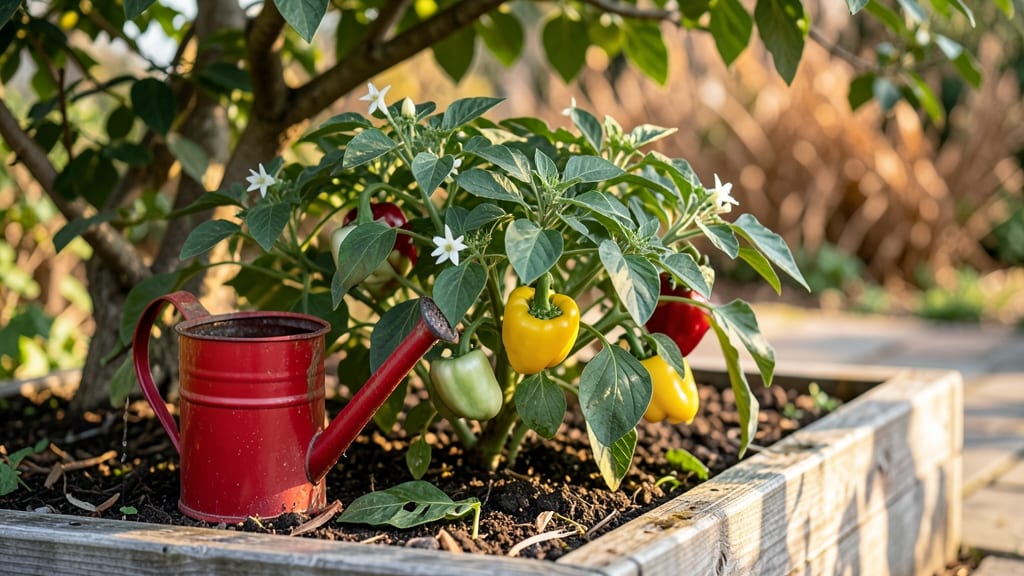
My pepper plant leaves wilting faster than I can say "harvest season"? 🌶️ Don't panic—this is fixable, and I'll walk you through the quick troubleshooting steps that saved my entire crop last summer. The key is acting fast before the problem spreads to stems and roots.
Overwatering or underwatering are the usual culprits, but pests like spider mites or fungal diseases can sneak in too. I learned the hard way that wilting often starts with soggy soil or dry roots—both create the same sad droop.
Grab your fingers and dig an inch down: if it's bone dry or waterlogged, that's your first clue.
You'll likely see results within 24-48 hours after adjusting watering and improving airflow. Cut back on watering if the soil stays damp for days, and move the plant to a shadier spot if it's wilting from heat stress.
A quick spray of neem oil can tackle hidden pests before they become a full-blown invasion.
Prevention is all about balance: water when the top inch feels dry, use well-draining soil, and rotate your plants weekly for even sunlight. My peppers now thrive all season—no more wilting drama. Let's get yours back on track!
Root Causes of Drooping Pepper Plants
When your pepper plant leaves start wilting, it’s often a cry for help from the roots—or something disrupting the plant’s delicate balance. Understanding the why behind the wilt is the first step to saving your harvest.
Below, we break down the most common culprits, backed by science, so you can diagnose the issue like a pro.
Pepper plants hate soggy feet. Overwatering or compacted, waterlogged soil cuts off oxygen to the roots, leading to anaerobic conditions—a root’s worst nightmare. Without oxygen, roots can’t absorb water or nutrients efficiently, causing leaves to wilt as the plant struggles to stay hydrated.
🔹 Signs:
- Yellowing leaves (chlorosis) before wilting
- Mushy, blackened stems at the base
- Soil that stays damp for days after watering
💡 Why it happens: Pepper plants thrive in well-draining soil with a pH of 6.0–6.8. Heavy clay or poorly amended soil traps excess moisture, while overzealous watering (especially without checking soil moisture) drowns roots. Even "self-watering" pots can become death traps if drainage holes are clogged.
Pepper plants are tropical at heart—they prefer consistent warmth (70–85°F) and hate sudden temperature drops below 50°F. Extreme heat or cold causes osmotic stress, where cells lose water rapidly, leading to wilting. Even afternoon sunburn can scorch leaves, making them droop.
🔹 Signs:
- Wilting that worsens in the heat of the day
- Crispy or bleached leaf edges
- Leaves curling upward (like a "fishhook")
🌡️ Why it happens: Pepper plants close their stomata (pores) to conserve water in heat, but this also stops photosynthesis. If temperatures spike above 90°F for days, the plant can’t recover, leading to permanent wilting. Cold snaps (below 55°F) disrupt root function, while wind can transpirational stress by accelerating water loss.
Wilting isn’t always about too much water—chronic underwatering or damaged roots can starve the plant of moisture. Roots act like straws; if they’re dry or injured, the plant can’t pull up enough water to keep leaves plump.
🔹 Signs:
- Wilting that starts at the top and moves downward
- Dry, crispy leaf edges
- Soil pulling away from pot edges (severe drought)
💡 Why it happens: Pepper plants need 1–1.5 inches of water per week (more in heat). Shallow root systems (common in young plants) are especially vulnerable. Root damage—from over-pruning, pests (like nematodes), or physical injury—disrupts the plant’s water transport system, leading to wilting even if soil looks moist.
Hidden pests or fungal infections can block water flow or sap the plant’s energy. Aphids, spider mites, and root-knot nematodes pierce cells, while diseases like early blight or verticillium wilt clog xylem vessels, preventing water from reaching leaves.
🔹 Signs:
- Sticky residue (honeydew) or webbing on leaves
- Yellow spots or lesions on stems/leaves
- Wilting that spreads unevenly (not just top or bottom)
🦠 Why it happens: Pests like aphids inject toxins while feeding, causing wilting. Fungal pathogens (e.g., Fusarium) produce mycotoxins that disrupt root function. Even beneficial insects can become pests if populations explode—check the undersides of leaves for tiny invaders.
Pepper plants need a balanced diet. Too little (or too much) of key nutrients like potassium, calcium, or magnesium can disrupt cellular function, leading to wilting. For example, a calcium deficiency causes "blossom end rot" in fruits, but severe cases can weaken stems and leaves.
🔹 Signs:
- Yellowing between leaf veins (magnesium deficiency)
- Brown, dead spots on leaf edges (potassium deficiency)
- Stunted growth with wilting (nitrogen deficiency)
📊 Why it happens: Over-fertilizing (especially with synthetic salts) can burn roots, while poor soil structure prevents nutrient uptake. Pepper plants prefer organic matter-rich soil with a slow-release fertilizer (like compost or worm castings) to avoid spikes in salinity.
💡 Quick Diagnostic Tip: Gently tug a leaf—if it snaps easily, it’s likely underwatered. If it pulls away with the stem, roots may be rotting from overwatering. For pest-related wilting, inspect stems for tiny holes or sawdust-like frass (insect droppings).
Quick Fixes for Reviving Droopy Peppers
Wilting pepper plant leaves don’t mean your harvest is lost—often, they’re just crying out for a little TLC! 🌱💦 Whether your peppers are drooping due to thirst, stress, or disease, these targeted solutions will help you nurse them back to health.
Below, we’ve matched common causes to easy, actionable fixes, plus prevention tips to keep your plants thriving long-term.
Fix: Let the soil dry out before watering again.
- Step 1: Gently lift the plant to check soil moisture. If the top 1–2 inches feel damp, wait 1–2 days before watering.
- Step 2: Improve drainage by adding perlite or coarse sand to heavy soil or repotting into a container with drainage holes.
- Step 3: Water deeply but infrequently—pepper plants prefer dry soil between waterings. Aim for 1 inch of water per week (adjust for climate).
- Step 4: If roots are rotting, trim away mushy black roots with sterilized scissors and repot in fresh, dry soil.
💡 Pro Tip: Use a moisture meter or the "finger test" to avoid guesswork. Overwatering is the #1 killer of pepper plants!
Fix: Rehydrate and shield from extreme heat.
- Step 1: Water the plant deeply at the base (not overhead) until water runs out the drainage holes. Repeat every 2–3 days in hot weather.
- Step 2: Mulch around the base with straw or shredded leaves to retain moisture and cool roots.
- Step 3: Provide afternoon shade (use a shade cloth or move pots to a sheltered spot) if temperatures exceed 90°F (32°C).
- Step 4: Mist leaves early in the morning to boost humidity, but avoid evening misting (can promote fungal growth).
🌡️ Pro Tip: Pepper plants wilt faster in heat waves. If possible, grow them in morning sun or partial shade during peak summer.
Fix: Protect and support fragile stems.
- Step 1: Stake or cage the plant immediately with bamboo stakes or tomato cages to prevent wind whiplash.
- Step 2: Gently prune damaged leaves (cut at a 45° angle just above a leaf node) to redirect energy to healthy growth.
- Step 3: If stems are bent but not broken, straighten them carefully and secure with soft ties (avoid wire, which can cut into stems).
- Step 4: Move the plant to a sheltered spot (like near a fence or under a patio awning) for a few days to recover.
✨ Pro Tip: Wind damage weakens plants, making them vulnerable to pests. Inspect leaves for holes or tears after storms.
Fix: Isolate and treat the plant ASAP.
- Step 1: Quarantine the plant away from others to prevent spread.
- Step 2: Blast pests off with a strong stream of water (early morning works best).
- Step 3: Apply neem oil spray (mix 1 tbsp neem oil + 1 tsp mild soap + 1 quart water) or insecticidal soap to leaves. Spray both sides of leaves and stems.
- Step 4: Repeat every 5–7 days until pests are gone. For severe infestations, use pyrethrin-based spray (follow label instructions).
🔥 Pro Tip: Encourage beneficial insects like ladybugs or lacewings to patrol your garden naturally.
Fix: Improve airflow and treat infections.
- Step 1: Remove all infected leaves (burn or trash them—don’t compost!) to stop spores from spreading.
- Step 2: Space plants 18–24 inches apart and prune for better airflow.
- Step 3: Apply a copper fungicide (like Bordeaux mixture) or baking soda spray (1 tbsp baking soda + 1 quart water + a few drops of soap) weekly until symptoms fade.
- Step 4: Water at the base only (avoid wetting leaves) and water in the morning so foliage dries quickly.
🎯 Pro Tip: Prevent future outbreaks by rotating crops (don’t plant peppers in the same spot yearly) and sterilizing tools with rubbing alcohol.
Fix: Feed and stabilize the plant.
- Step 1: Fertilize lightly with a balanced, water-soluble fertilizer (10-10-10 or 5-5-5) diluted to half strength. Avoid high-nitrogen fertilizers—they promote leafy growth at the expense of fruits.
- Step 2: Add compost or worm castings to the soil for a slow-release nutrient boost.
- Step 3: If the plant was recently transplanted, water deeply daily for the first week to reduce shock.
- Step 4: Avoid over-fertilizing—pepper plants prefer lean soil. Too much salt can burn roots!
💪 Pro Tip: Yellowing leaves with purple stems? Your plant may need phosphorus (try a bone meal supplement).
If the plant is completely limp, blackened at the base, or pulling away from the pot, it may be beyond saving. However, try this emergency revival: 1. Trim all dead/dying leaves and stems with sterilized shears.
- Repot in fresh, sterile potting mix (add perlite for drainage).
- Water lightly and place in bright, indirect light (no direct sun for 1 week).
- Monitor closely—new growth may take 2–4 weeks to appear.
🔪 Pro Tip: If roots are healthy but the plant is struggling, propagate cuttings from healthy stems to start fresh!
Frequently asked questions
Why do my pepper plant leaves wilt in the afternoon but perk up overnight?
This classic pattern usually means heat stress or underwatering. Pepper plants close their stomata (pores) during hot afternoons to conserve water, causing wilting. If leaves recover overnight, it’s likely temporary dehydration—water deeply at the base in the morning and provide afternoon shade if temperatures exceed 90°F (32°C). Mulch with straw to retain moisture.
Can I save a pepper plant with completely black stems at the base?
Blackened stems indicate root rot from overwatering or fungal infection. Trim all blackened stems and roots with sterilized scissors, then repot in fresh, well-draining soil with perlite. Water lightly and place in bright, indirect light for 1 week—new growth may take 2-4 weeks to appear. If roots smell foul or are mushy, the plant may be beyond saving.
How do I tell if wilting is from pests vs. water issues?
Check for tiny webs, holes, or sticky residue (honeydew) on leaves—these signal pests like spider mites or aphids. Water-related wilting usually starts uniformly (top-down for thirst, bottom-up for overwatering). For pests, isolate the plant and spray with neem oil; for water issues, adjust your watering schedule and soil drainage immediately.
Will pruning wilted leaves help my pepper plant recover?
Yes! Prune only the most severely wilted leaves (cut at a 45° angle above a leaf node) to redirect energy to healthy growth. Avoid over-pruning—remove no more than 20% of foliage at once. Focus on leaves with crispy edges or black spots, as these are beyond recovery. Sterilize your shears with rubbing alcohol to prevent infections.