
Pests and Diseases
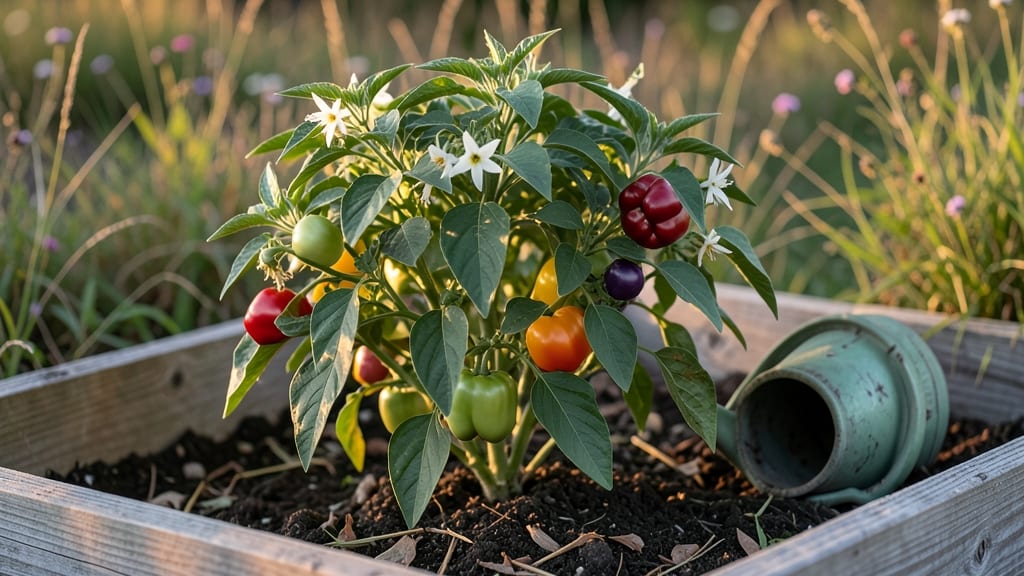
Bell pepper leaves curling down is usually a cry for help from tiny pests like spider mites or aphids—and the good news is you can fix it fast. 🌱 I’ve seen this happen in my own garden, where what started as a few curled leaves turned into a full-blown infestation if I didn’t act.
The key is catching it early, before the pests spread to your entire harvest.
The most common culprits are spider mites and aphids, which suck the sap from your plants, causing leaves to curl downward as a defense mechanism. You’ll often spot webbing on the undersides of leaves (a dead giveaway for mites) or sticky residue (aphid honeydew).
Environmental stress—like sudden heat or drought—can also trigger curling, but pests are the usual suspect when it happens overnight.
Here’s the quick fix: blast off pests with a strong spray of water first thing in the morning, then follow up with neem oil or insecticidal soap—it’s like a one-two punch for those tiny invaders.
Prune any severely damaged leaves to stop the spread, and keep your plants well-watered to help them bounce back faster. Within a week, your peppers should start looking healthy again.
Prevention is even easier: regularly check the undersides of leaves (that’s where pests hide), introduce beneficial insects like ladybugs, and avoid over-fertilizing, which attracts pests.
If the problem persists after a few treatments, it might be time to call in a local extension service—they can help rule out diseases or more stubborn infestations.
Root Causes Behind Curling Leaves
When your bell pepper leaves start curling downward like a sad, wilted hand, it’s usually a cry for help from your plant. The good news? Most causes are fixable. Let’s break down the science behind why this happens—and how to spot the difference between a pest party and environmental stress.
These microscopic pests are the #1 culprits behind curled, crispy-edged bell pepper leaves. Here’s how they sabotage your plants:
- Spider Mites: These arachnids (yes, they’re related to spiders!) thrive in dry, dusty conditions. They suck sap from leaves, causing them to curl downward while leaving behind fine webbing on the undersides. Pro tip: Hold a white sheet under the plant and shake it—mites will scatter like confetti! 🎉
- Aphids: These soft-bodied bugs cluster on new growth, excreting sticky honeydew that attracts mold (sooty mold). Their feeding weakens leaves, making them curl and yellow. Look for tiny green/black clusters on stems and leaf undersides.
Why it happens: Both pests thrive in hot, dry weather (75–90°F) and low humidity. They multiply rapidly, draining nutrients and disrupting photosynthesis.
Bell peppers hate being thirsty or drowning. Curling leaves often signal a watering imbalance:
- Underwatering: Leaves curl downward to reduce water loss via transpiration. The edges may also crisp or brown. Check soil moisture—if the top 1–2 inches are dry, it’s time to water.
- Overwatering: Roots suffocate in soggy soil, starving leaves of oxygen. Curling + yellowing = root rot on the way. Test it: Stick your finger in the soil. If it’s muddy and smells foul, cut back on water.
Why it happens: Bell peppers need consistent moisture (1–1.5 inches per week) but well-draining soil. Compacted or clay-heavy soil traps excess water, while sandy soil dries too fast.
Bell peppers are tropical at heart but throw a fit when temperatures swing wildly:
- Heat Stress (Above 90°F): Leaves curl downward to minimize sun exposure and prevent scorching. Young leaves are most vulnerable. Solution: Provide afternoon shade with a 30–50% shade cloth.
- Cold Stress (Below 50°F): Chilly nights cause leaves to curl as a protective response. Frost damage will turn leaves black and mushy. Prevent it: Use row covers or mulch to insulate roots.
Why it happens: Bell peppers prefer 65–85°F. Extreme heat or cold disrupts cell turgor pressure (the plant’s internal water balance), making leaves wilt and curl.
Curling can also be a nutritional SOS. Here’s what’s likely lacking:
| Deficiency | Symptoms | Quick Fix |
|---|---|---|
| Nitrogen (N) | Yellowing lower leaves + curling new growth | Apply balanced fertilizer (10-10-10) or compost |
| Potassium (K) | Curling + brown edges (like "scorched" tips) | Use potassium-rich fertilizer or wood ash |
| Calcium (Ca) | Curling + blossom end rot on peppers | Add crushed eggshells or lime to soil |
Why it happens: Nutrient imbalances disrupt enzyme activity and cell wall integrity, causing leaves to curl as the plant tries to conserve resources.
Next up: How to diagnose which culprit is ruining your harvest—and how to kick them out for good! 🚫🐛
Quick Fixes for Curling Pepper Leaves
Bell pepper leaves curling down can be frustrating, but the good news is that with the right approach, you can revive your plants and prevent future issues.
Below are practical, step-by-step solutions tailored to the most common causes—aphids, spider mites, environmental stress, and nutrient deficiencies—along with prevention tips to keep your peppers thriving.
If tiny pests are the culprit, act fast to stop them from spreading and damaging your plants further.
🔥 Step 1: Isolate the Infested Plant
- Move the affected pepper plant at least 3 feet away from other plants to prevent cross-contamination.
- Check nearby plants for signs of pests (sticky residue, webbing, or curled leaves).
🍳 Step 2: Blast Off Pests with Water
- Gentle spray method: Use a hose with a strong stream (not too forceful to avoid damaging leaves) to knock off aphids and spider mites.
- Soap spray alternative: Mix 1 tablespoon of mild dish soap (like Castile soap) with 1 quart of water and spray directly on the undersides of leaves where pests hide.
- Repeat every 2–3 days until pests are gone.
👨🍳 Step 3: Introduce Natural Predators (Long-Term Solution)
- Ladybugs and lacewings are natural aphid predators.
Purchase them from garden centers or attract them by planting dill, fennel, or marigolds nearby. - Neem oil spray (1 tsp neem oil + 1 tsp mild soap + 1 quart water) disrupts pests’ life cycles. Spray in the early morning or evening to avoid harming bees.
⏰ Step 4: Monitor and Retreat if Needed
- Check leaves daily for new pests. If infestations persist after a week, reapply soap spray or neem oil.
- Prevention tip: 🌿 Interplant peppers with basil or garlic—these act as pest repellents!
If heat, cold, or wind are causing your leaves to curl, adjust the growing conditions to restore health.
💡 Step 1: Shield from Extreme Heat or Cold
- Too hot? Move potted peppers to a shadier spot (morning sun is ideal) or use shade cloth (30–50%) if temps exceed 90°F (32°C).
- Too cold? Cover plants with frost cloth if nights dip below 50°F (10°C).
Peppers thrive in 70–85°F (21–29°C). - Wind damage? Use stakes or cages to support plants and place them in a sheltered spot.
🎯 Step 2: Adjust Watering Practices
- Underwatering? Water deeply 1–2 inches into the soil when the top inch feels dry.
Use drip irrigation to avoid wetting leaves (which attracts pests). - Overwatering? Let soil dry slightly between waterings. Yellowing leaves + curling = root stress—check for root rot (mushy stems) and repot if needed.
✨ Step 3: Improve Airflow
- Space plants 18–24 inches apart to allow air circulation.
- Prune lower leaves to reduce humidity near the soil (where fungal issues thrive).
Curling leaves can signal lack of key nutrients. Test soil and amend as needed.
💪 Step 1: Test Soil pH and Nutrients
- Ideal pH for peppers: 6.0–6.8. Use a soil test kit (available at garden centers).
- Quick fix: Mix 1 tablespoon of Epsom salt (magnesium sulfate) per gallon of water if leaves curl yellow between veins (magnesium deficiency).
🥗 Step 2: Fertilize Correctly
- Nitrogen-heavy fertilizers (like blood meal) can cause leafy growth at the expense of fruit. Instead, use a balanced 10-10-10 or 5-10-10 fertilizer.
- Calcium deficiency? Sprinkle crushed eggshells or use calcium nitrate (follow package instructions).
🍎 Step 3: Mulch for Retention
- Apply 2–3 inches of organic mulch (straw or shredded leaves) to retain moisture and nutrients.
- Avoid over-fertilizing—peppers prefer moderate feeding over heavy doses.
- Rotate crops yearly to prevent soil-borne diseases.
- Inspect plants weekly for early signs of pests or stress.
- Use row covers in early spring to block aphids and spider mites before they infest.
- Harvest regularly—overripe peppers stress the plant, making it vulnerable to pests.
By tackling the root cause—whether pests, environment, or nutrients—your bell peppers will bounce back stronger. Act fast, and soon you’ll be enjoying plump, straight, and healthy leaves (and peppers!) all season long. 🌿🔥
Frequently asked questions
Why do my bell pepper leaves curl down suddenly overnight?
Sudden curling often signals a pest attack, like spider mites or aphids, which feed on leaf sap at night. Check undersides for webbing (mites) or sticky residue (aphids). Environmental stress from heat waves or drought can also trigger this overnight—water deeply if soil feels dry.
Can overwatering cause bell pepper leaves to curl?
Yes! Overwatering leads to root rot, which starves leaves of oxygen and causes curling. Test soil moisture: if it’s soggy or smells foul, reduce watering and improve drainage. Yellowing leaves paired with curling are classic overwatering signs—let the top 1–2 inches dry out between waterings.
How do I tell if curling is from pests vs. nutrient deficiency?
Pests (mites/aphids) leave visible signs: webbing, honeydew, or tiny bugs. Nutrient issues cause color changes first—yellowing between veins (magnesium), brown edges (potassium), or stunted growth. Test soil pH (6.0–6.8) and amend with compost or Epsom salt if needed.
Will pruning curled leaves help my pepper plant recover?
Yes! Prune severely damaged leaves to redirect energy to healthy growth. Use clean scissors to cut at the base of the leaf stem—avoid tearing. Focus on removing leaves with webbing or pests first, then trim any that are yellow or crispy to prevent further stress.
How long does it take for bell pepper leaves to uncurl after treatment?
With proper care, you’ll see improvement in 3–7 days. For pests, neem oil or soap spray works fastest (24–48 hours to kill adults). Environmental fixes (watering, shade) take 5–10 days as leaves regain turgor pressure. Monitor daily and adjust treatments if curling persists beyond 2 weeks.